SaaS pricing and monetization: what I learned pricing real products
Price a SaaS product by whatever grows when your customer gets more value from it. For a tool everyone on a team uses every day, that's the number of users; for a platform that carries a customer's revenue, it's that revenue; for a content library, it's a subscription with included users and limits.
That's the question I start every pricing model with, and the products I've worked on answered it differently. KpiClock, a team management product that replaces Hubstaff, BambooHR and DocuSign, is priced per user in two tiers. I said no to pricing each module separately, so the value of one product shows in one number.
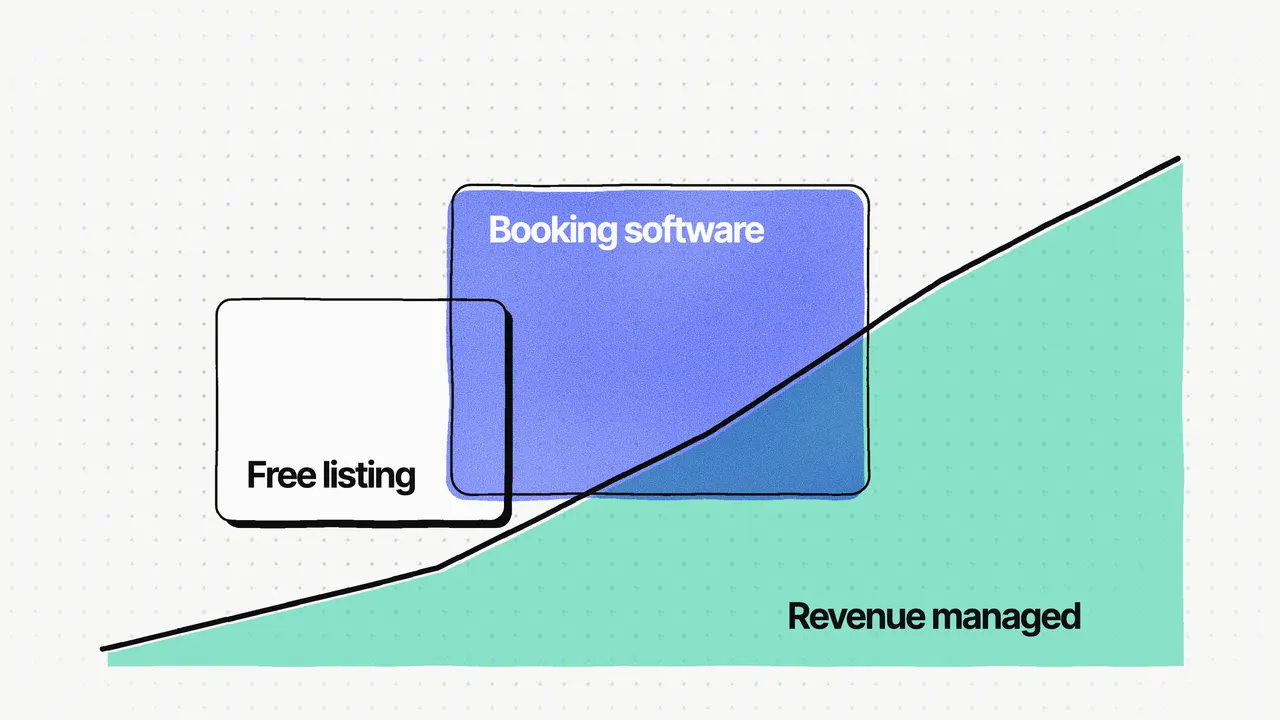
Find Your Calm, a booking platform for wellness operators, has two tiers: a free marketplace listing that brings operators in, and paid booking software priced by the revenue each operator manages. The number of users and locations doesn't change the price, and there's no commission on bookings, because operators take payments through their own payment accounts. I designed that model, and the client approved it.
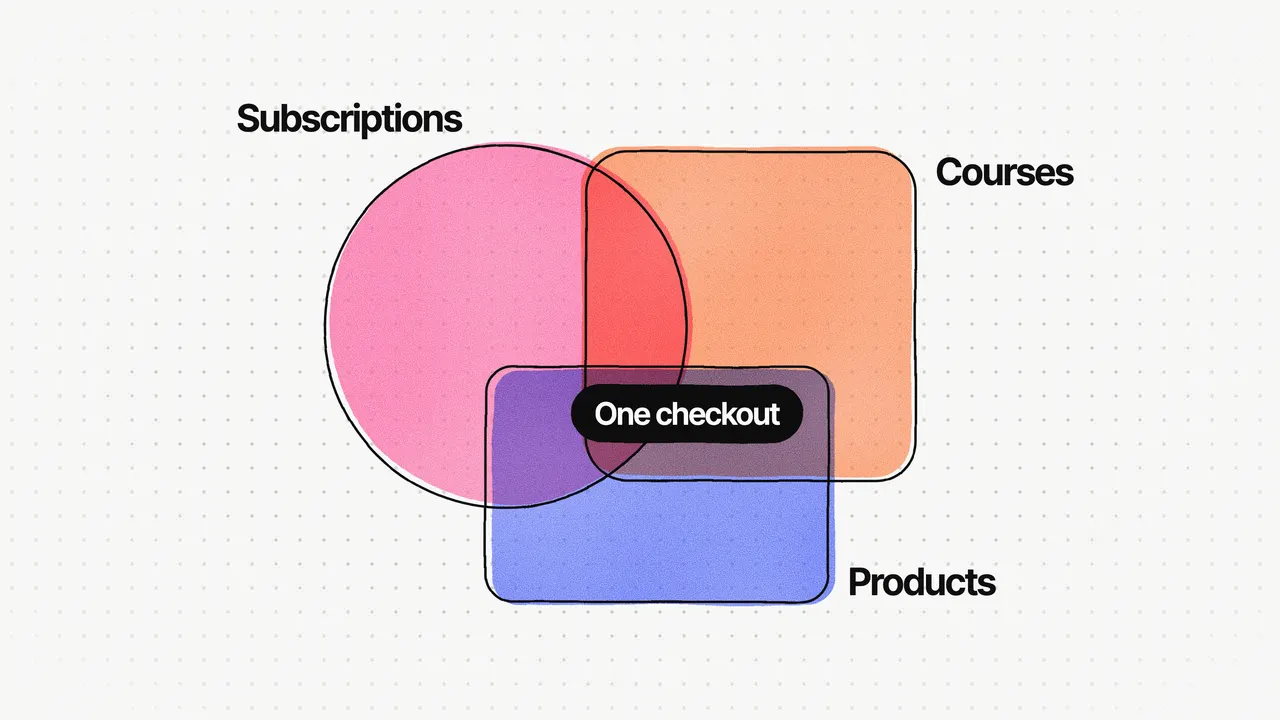
Mark Andrews Creative sells a subscription library in tiers, monthly or yearly. Each subscription includes 5 users, extra users are billed per the tier's conditions, and each tier has monthly download limits. Courses come with the subscription and are also sold separately, and physical goods are single purchases, all from one account and one checkout. The business now makes over $1M a year on the platform.
None of these posts contains a price. They're about the model: what it charges for, who it suits, where it backfires, and what it costs the product to support it.
The guide starts with the main SaaS pricing models side by side, then goes deep on one: why Find Your Calm prices by revenue, with a free tier and no commission. Then it turns to how people buy, with Mark Andrews Creative's one checkout for subscriptions, courses and physical goods. It ends with the platform the pricing runs on: the scope, access rules and limits behind an e-learning platform with a shop.
4 posts, in reading order
-
Step 1 of 4
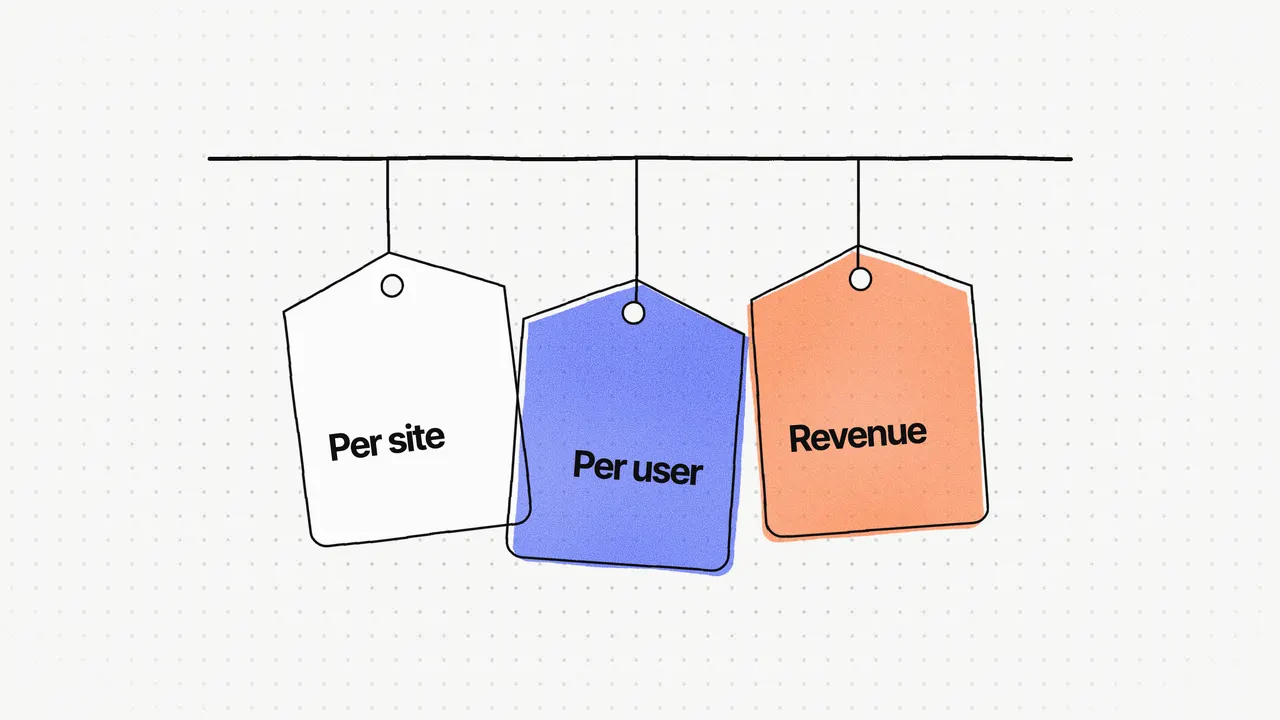
Start with the options. Each SaaS pricing model charges for something different, and the right one follows what grows when the customer gets more value.
 No. 01430 Oct 2026
SaaS pricing models explained: per user, per location, usage and revenue‑based
What each SaaS pricing model charges for, who it suits and where it backfires, with the models I chose for Find Your Calm, KpiClock and Mark Andrews Creative.
Product Management · 6 min -
Step 2 of 4
Then one model in depth: why a booking platform charges by the revenue each operator manages, with a free listing and no commission.
 No. 00230 Oct 2026
Why we priced Find Your Calm by the revenue operators manage
Find Your Calm has two tiers, a free listing and paid booking software, and it charges no commission. Here's how I designed the pricing, and why.
Product Management · 2 min -
Step 3 of 4
Pricing also decides how people buy. Mark Andrews Creative sells a subscription library, courses and physical goods in one checkout, with the subscription as the revenue engine.
 No. 00630 Oct 2026
How Mark Andrews Creative sells subscriptions, courses and products in one checkout
From a one-sentence brief to a platform live in 12 weeks, with three ways to buy in one checkout. The business it runs now makes over $1M a year.
Product Management · 4 min -
Step 4 of 4
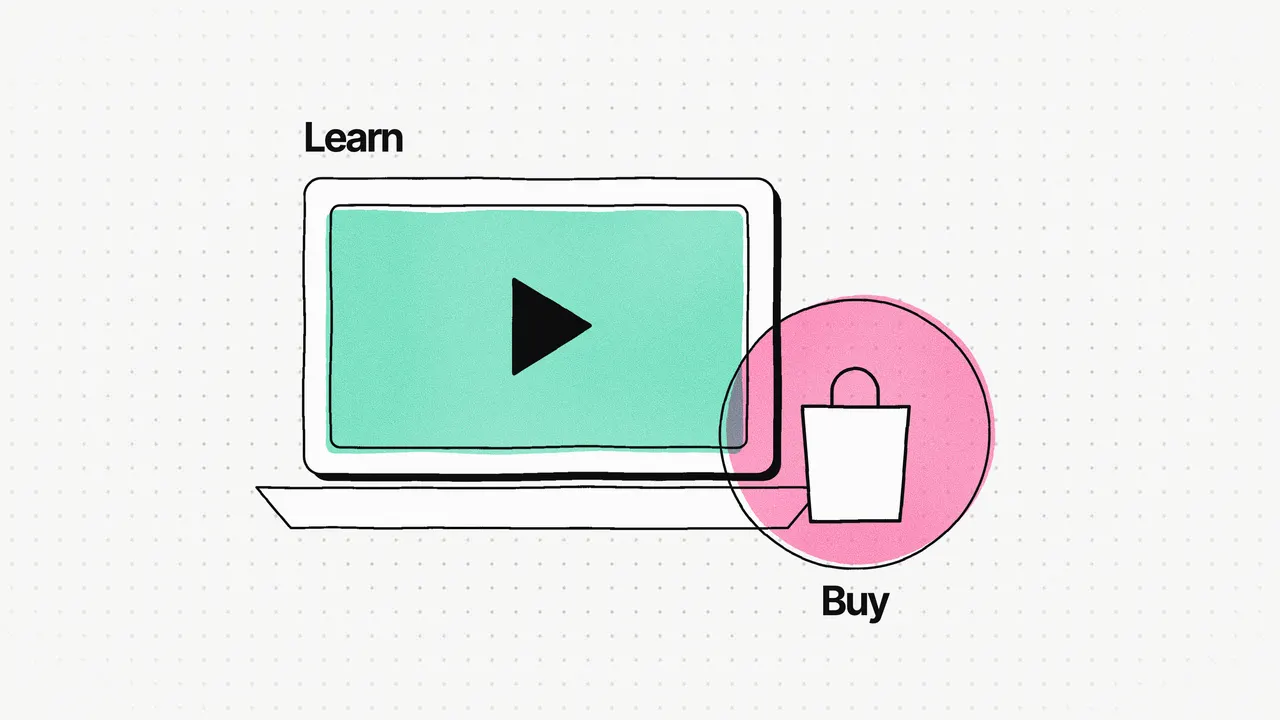
Finally, the platform the pricing runs on: the scope, access rules and limits behind a subscription library with courses and a shop.
 No. 01330 Oct 2026
How to build an e‑learning platform like Udemy: subscriptions, courses and a shop in one
What an e-learning platform with subscriptions, courses and physical products needs, from how I specified Mark Andrews Creative, live in 12 weeks.
Product Management · 6 min
The products behind it
Frequently asked questions
What are the main SaaS pricing models?
Per user, per user with users included, per location, usage-based, revenue-based, and a free tier plus a paid product. Many plans mix them, for example per user with usage limits.
When should you price a SaaS product by revenue?
When the product carries the customer's revenue, as a booking or commerce platform does, and both sides can see and trust the revenue number. Find Your Calm prices its booking software by the revenue each operator manages, and the number of users and locations doesn't change the price.
Why does Find Your Calm charge no commission?
Operators take payments through their own payment accounts, so the money never passes through the platform and there is nothing to take a cut from. It costs Find Your Calm a revenue stream, and operators never lose a share of every booking.
How do you sell subscriptions, courses and physical products together?
Sell each the way it's naturally bought, from one account and one checkout. Mark Andrews Creative has a subscription library, courses that come with the subscription or are sold separately, and physical goods as single purchases; its access rules know whether a course was unlocked by the subscription or by a purchase.
Building a product?
I help founders and teams decide what to build, design it, and ship it. Tell me about your project.