How to build an AI MVP: what I learned shipping three AI products
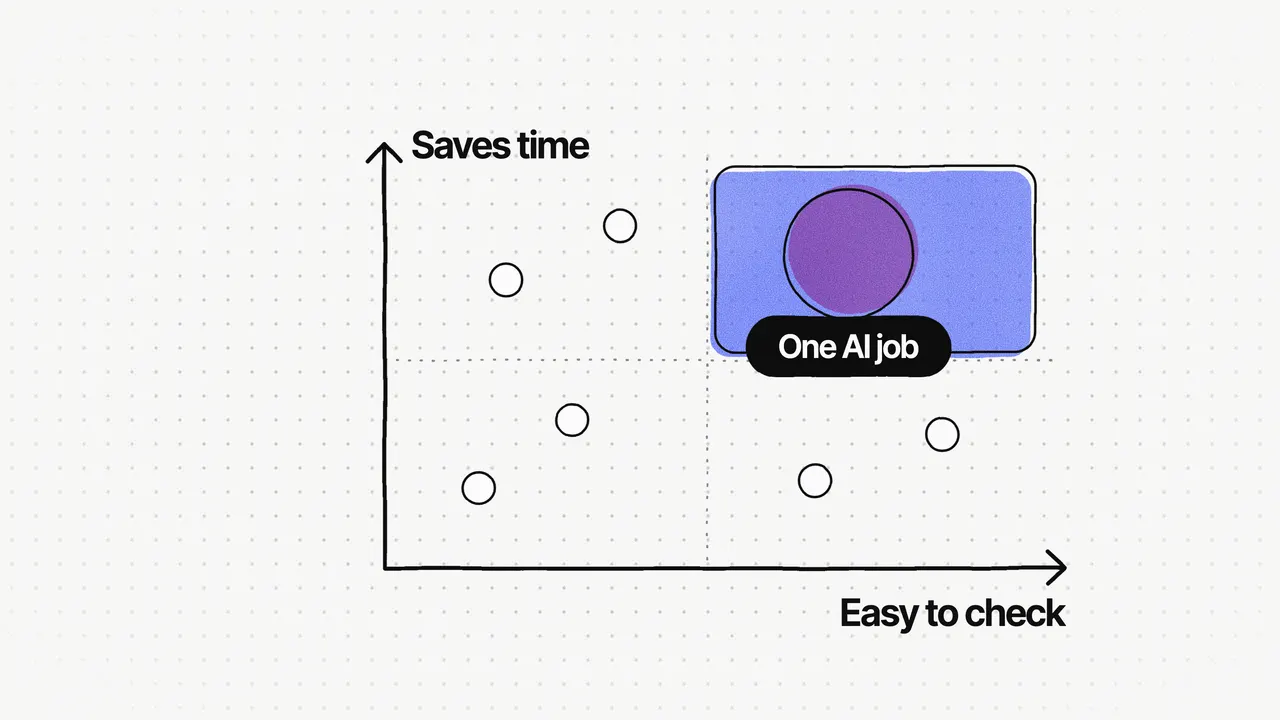
Where the AI should act, what it should return, how to test it and who checks it, from LeanDeck, SportsOnTV and Varsee.
Start here
Guides
All guides
What a fractional product manager does for an early‑stage SaaS
What a part-time product manager actually decides, with examples from seven client products, and how to tell whether your company needs one yet.
Taking over a software project mid‑build, and still launching two months later
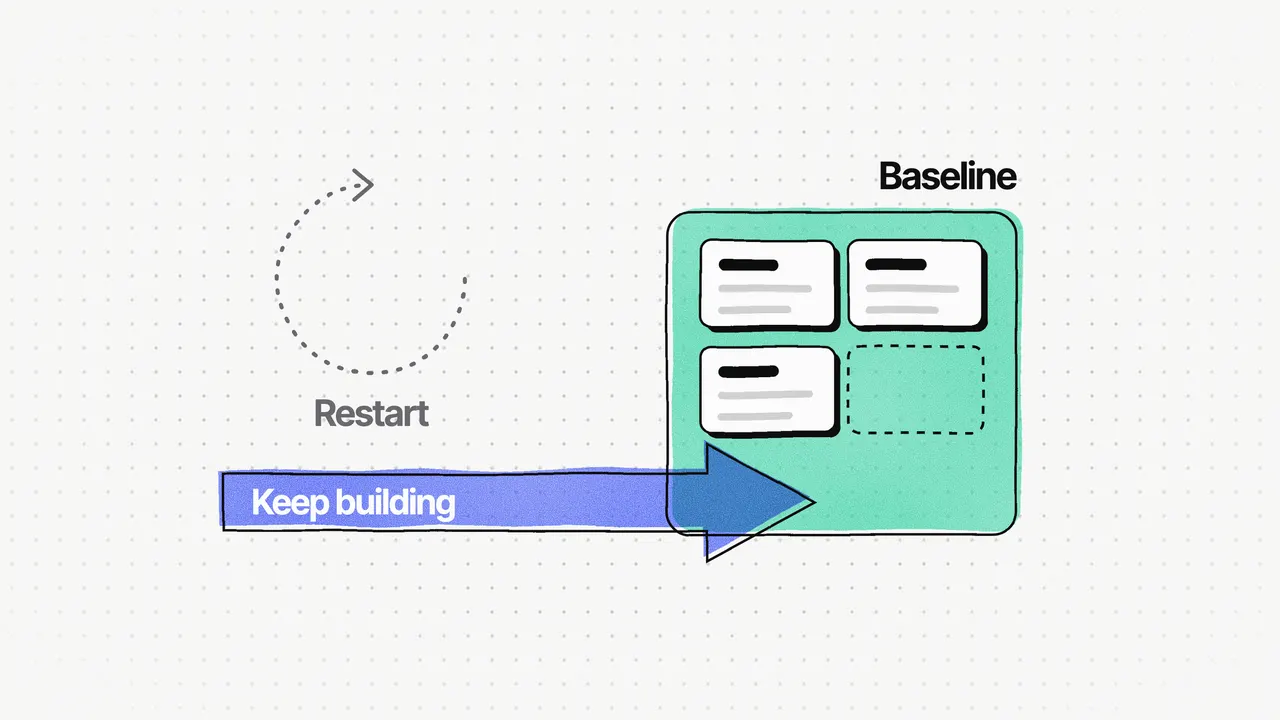
The project manager who wrote the requirements left halfway through. This is how I took over AidNetwork's build and launched it about two months later.
Technical cofounder, agency or fractional product lead: who should own your MVP?
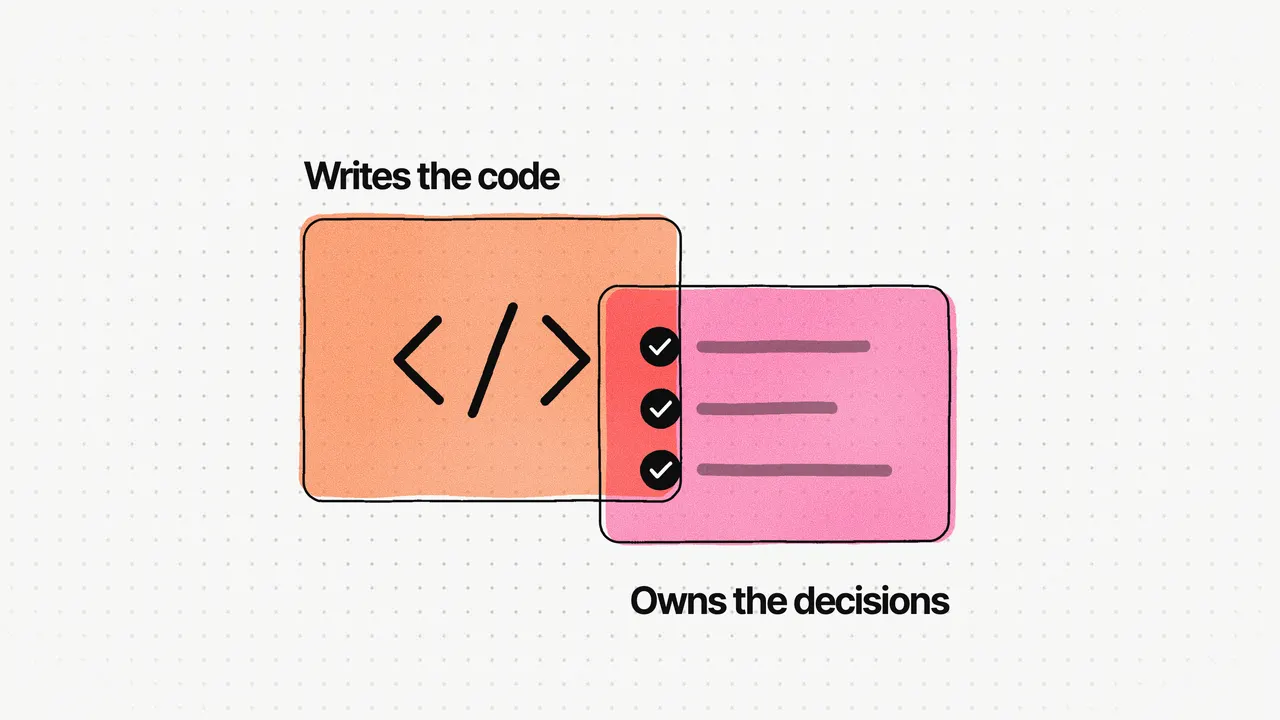
Someone has to own the product decisions, whoever writes the code. What each option costs you, when it works, where it goes wrong, and the combinations I see work best.
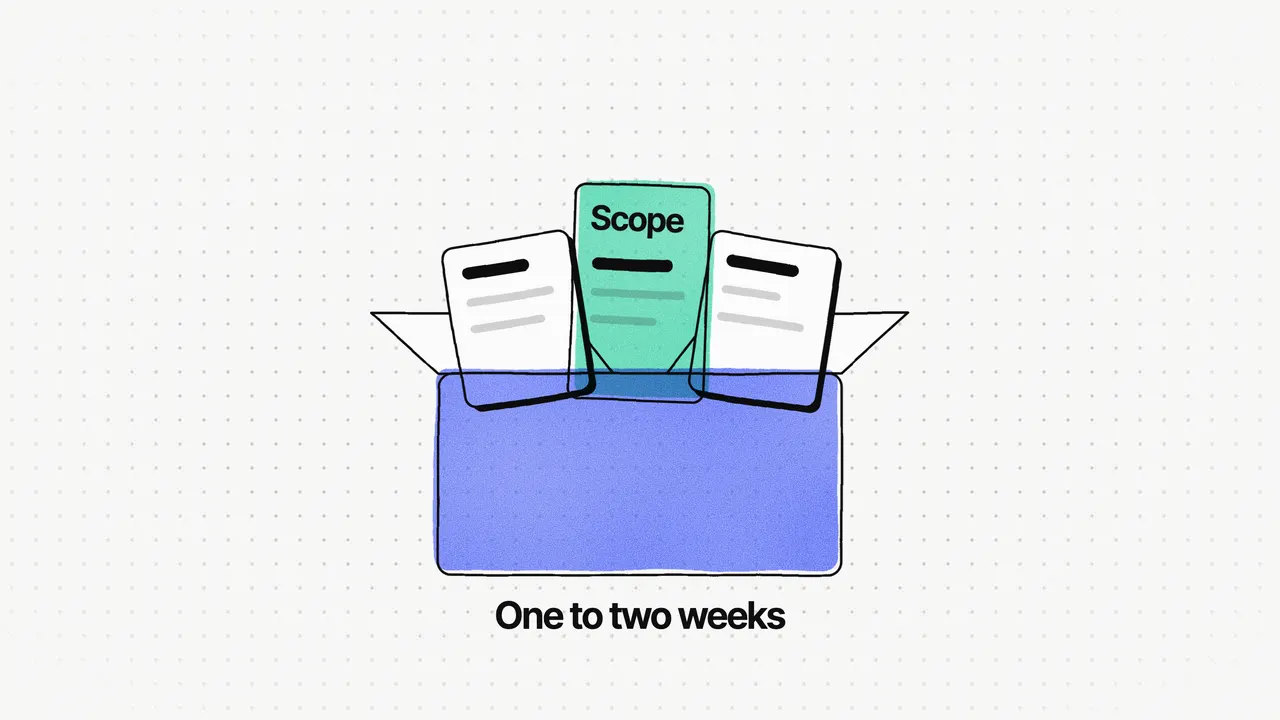
What a discovery sprint should hand you, and what not to pay for
A discovery sprint of one to two weeks should end with six things your developers can build from. Here's each one, what good looks like, and what to leave out.
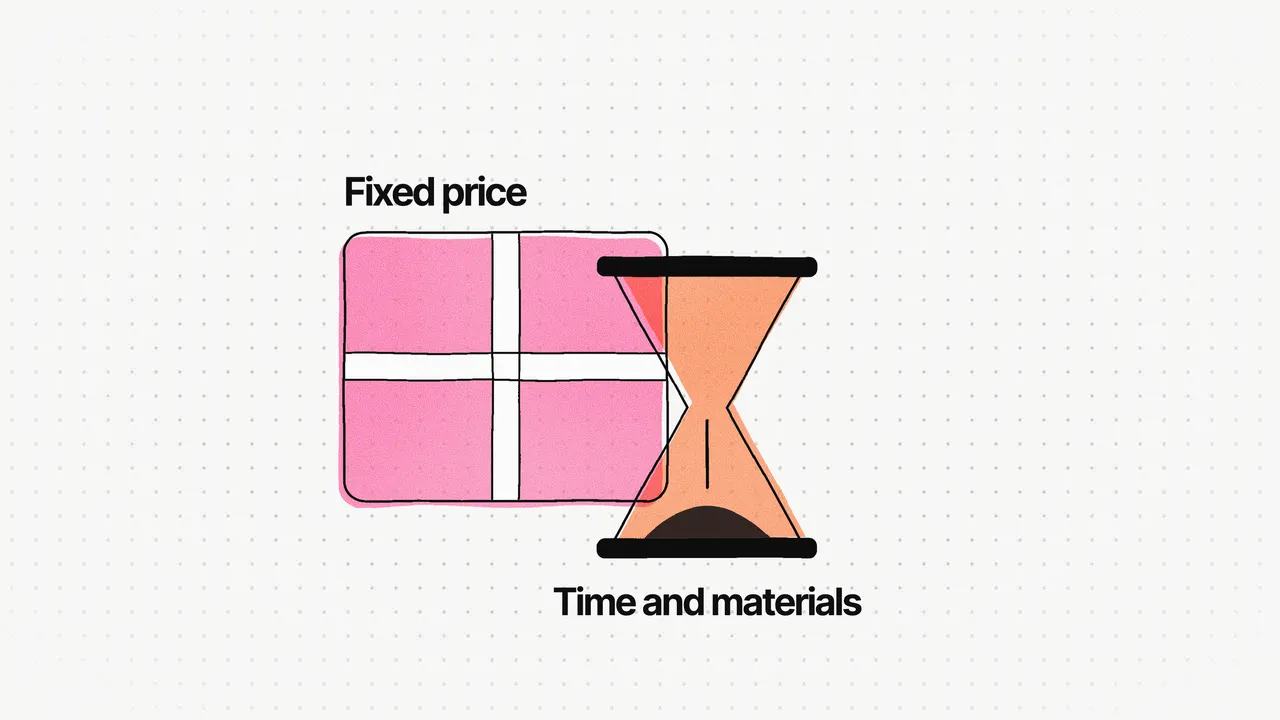
Fixed price or time and materials for an MVP?
Each way of paying puts the risk in a different place. My recommendation is to use both, at different stages, and to put a fixed-price discovery sprint first.
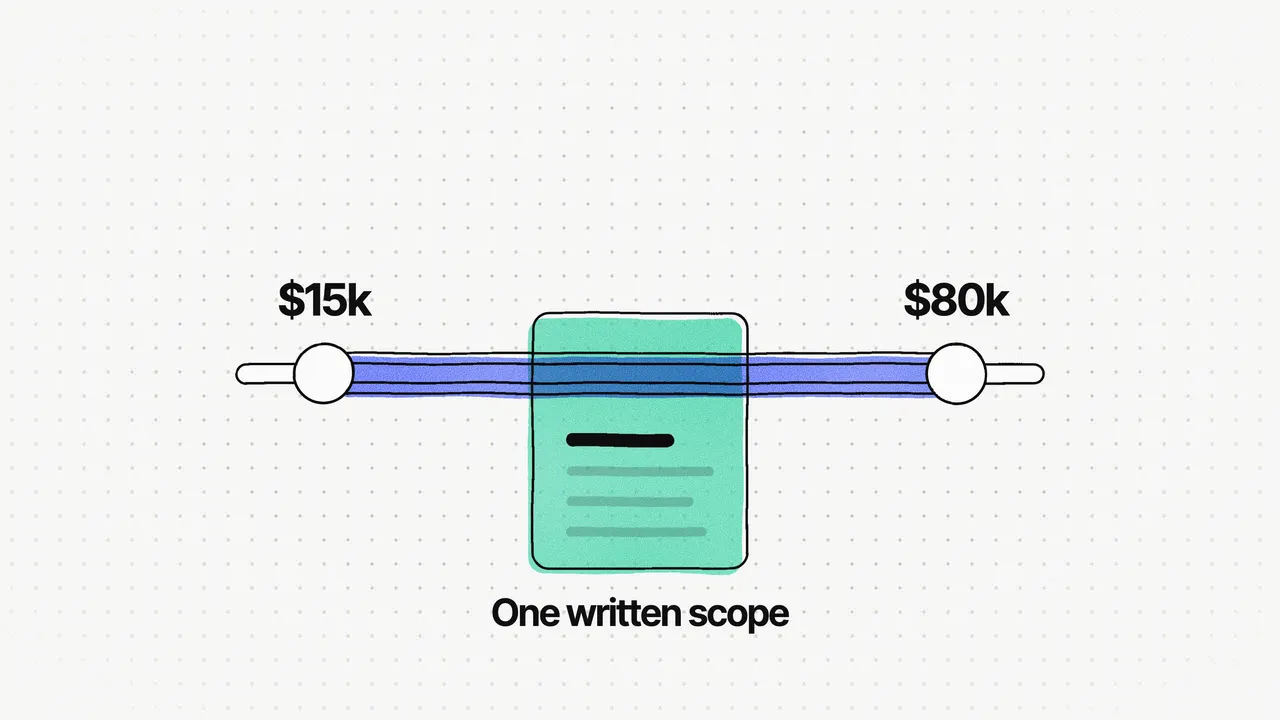
Why MVP quotes range from $15k to $80k, and how to compare them
The quotes founders show me for the same idea are often several times apart. The gap is almost always scope. Here's what moves the price and how to make quotes comparable.
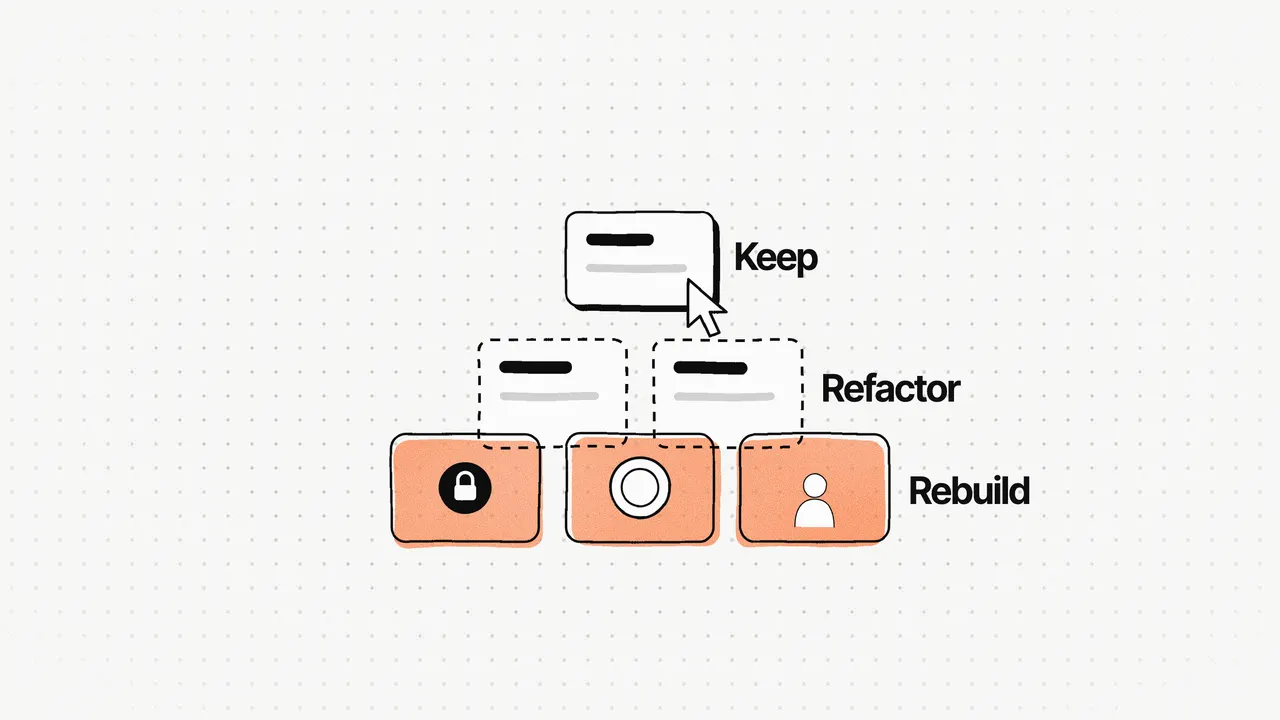
Your vibe‑coded prototype works. Now what? Rebuild, refactor or keep
An AI-built prototype is a fast way to learn what users want. Here's how I decide which parts to keep, which to clean up and which to rebuild before real users pay.
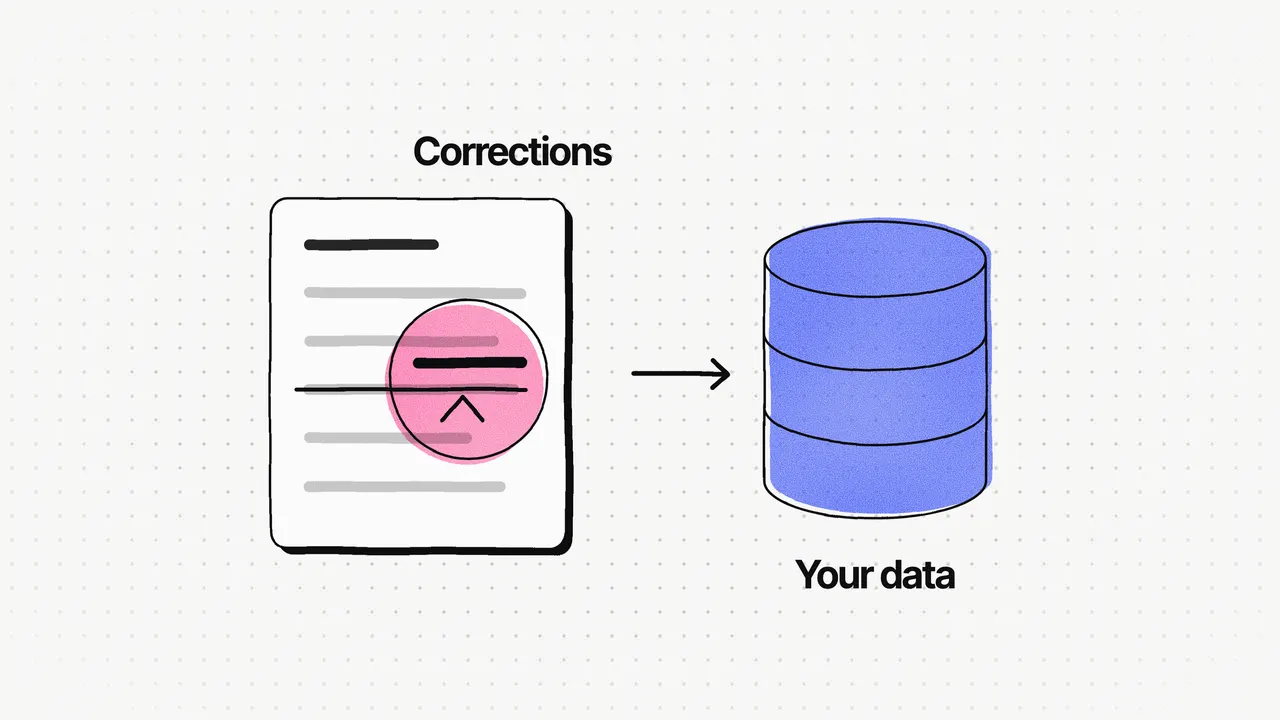
Not enough data for your AI product? What to do before you build
Most AI MVPs don't need training data of their own. They need a narrow job, good examples and a review step that turns every correction into data you can use.
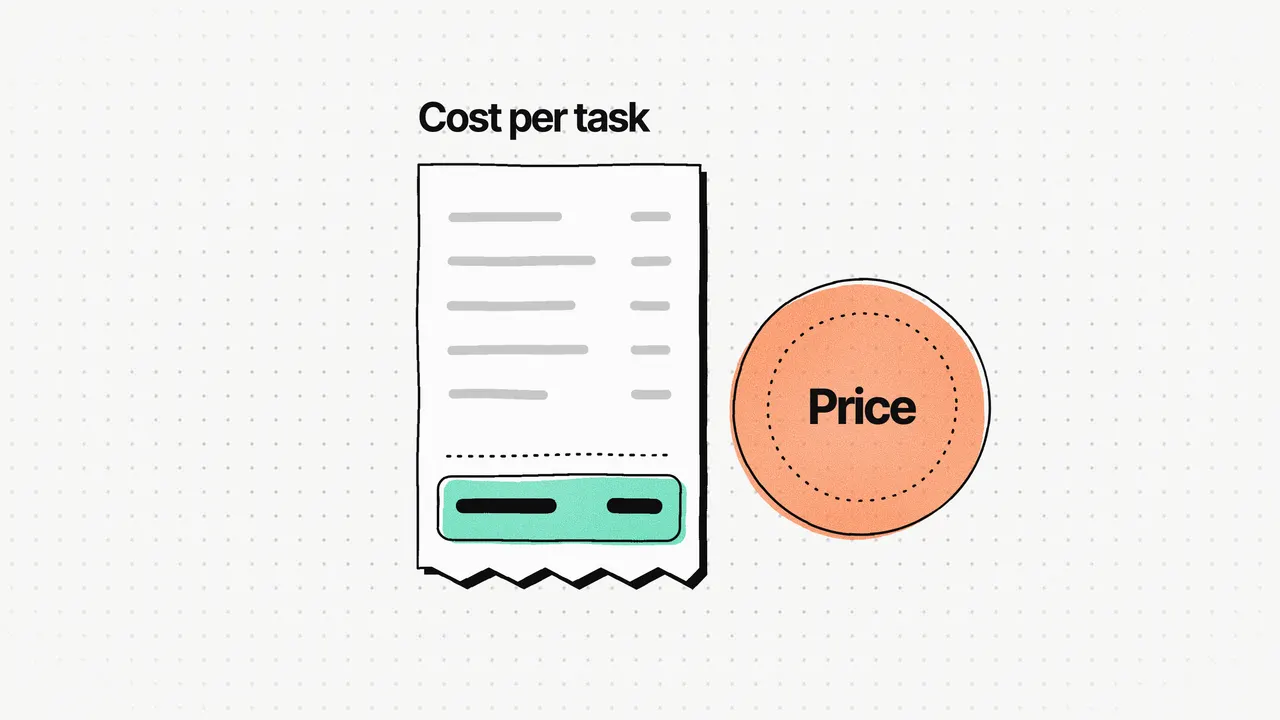
AI cost per task: the number to know before you set a price
What one finished AI task really costs you, a simple formula to work it out, and how that number should shape your price, your limits and your heaviest users.
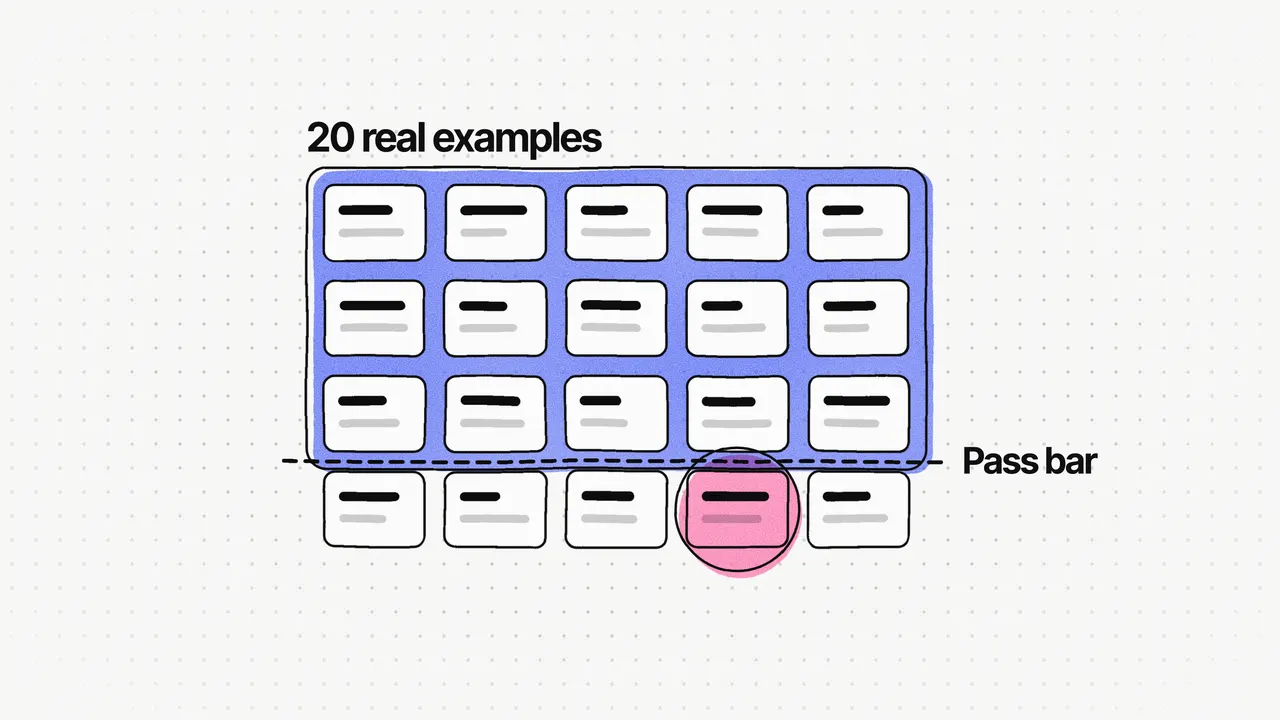
Test your AI feature with 20 real examples before you build
A demo shows one good answer. Twenty real examples, scored by hand, show whether the AI can do the job. This is the method I use before any screens get built.
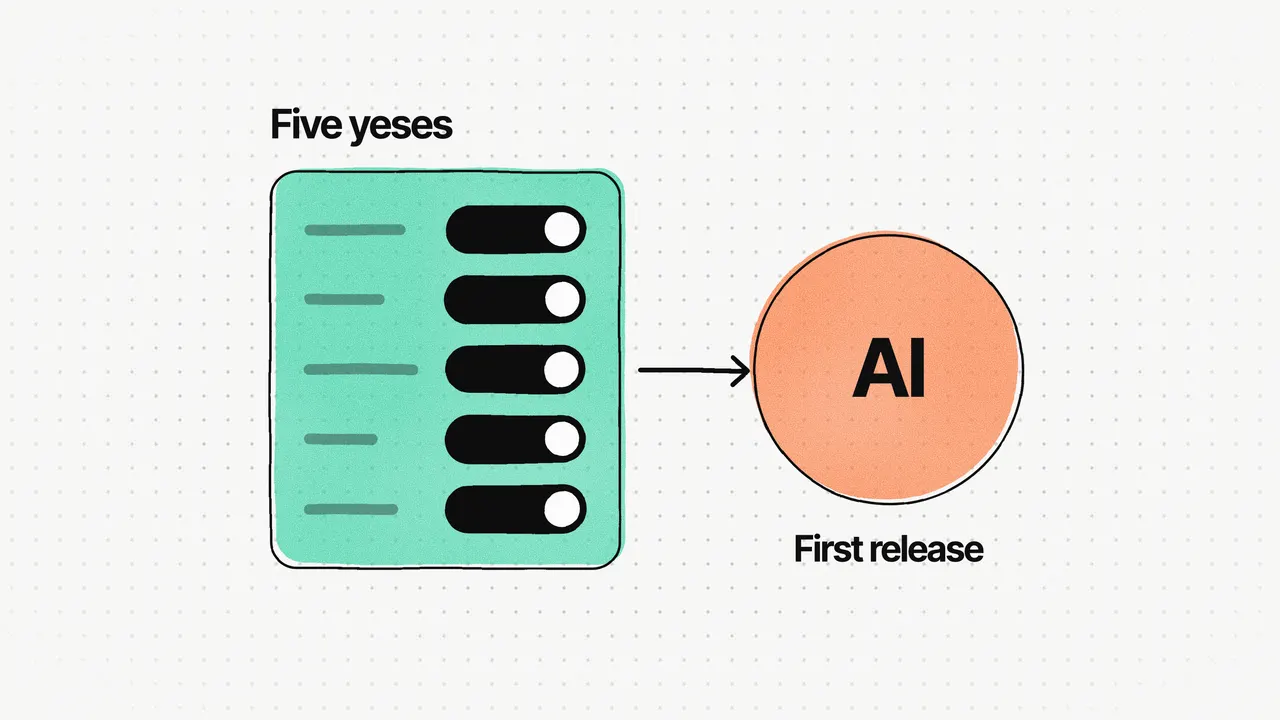
Should your MVP include AI? A 5‑question test
The five yes-or-no questions I ask before AI goes into a first release, with three products where it belonged and two where fixed rules were the right tool.
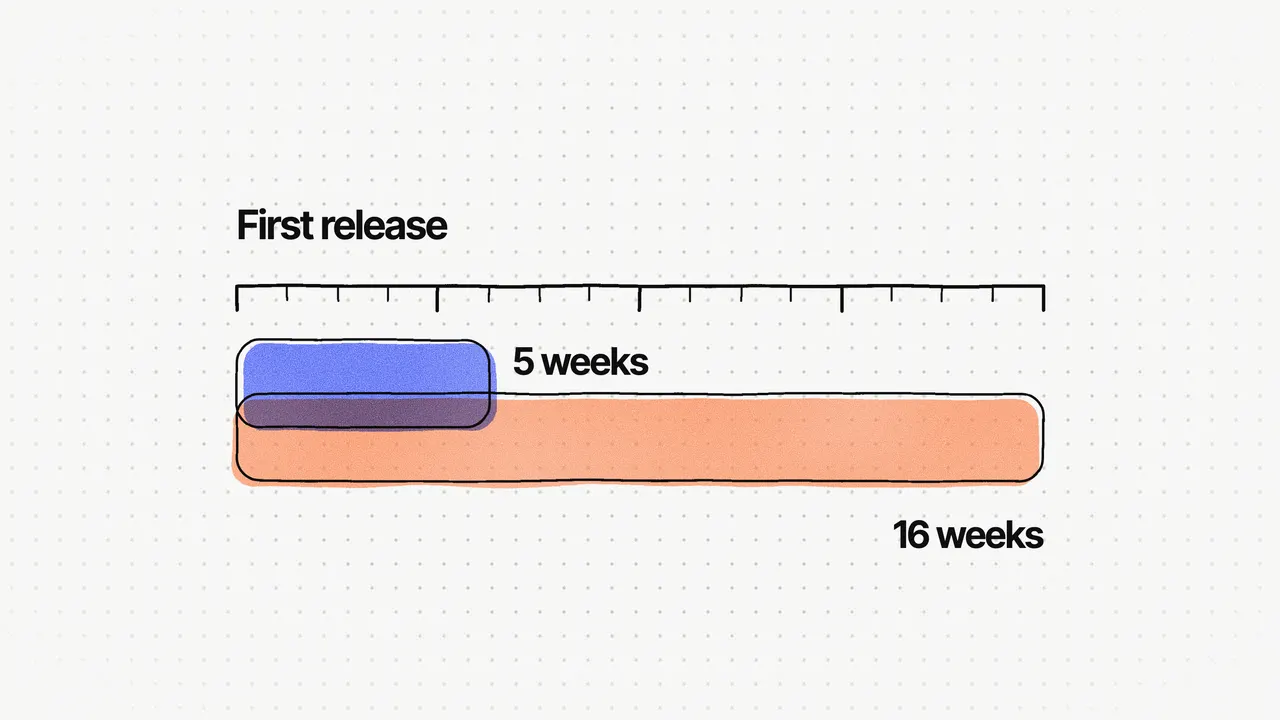
How long does it take to build an MVP? Real timelines from 7 products
Seven products I led, from a 5-week launch to a 16-week plan. What made the fast ones fast, what made the long ones long, and how to estimate yours.
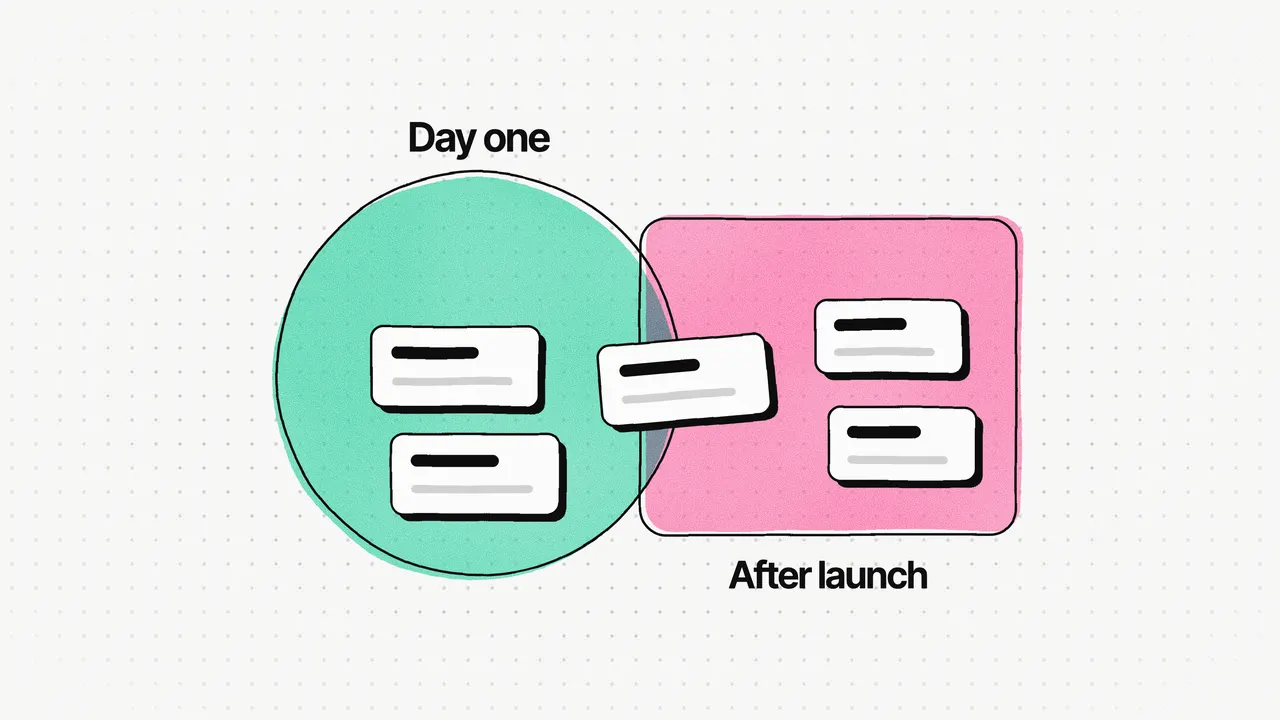
How to scope an MVP: what to build first and what to cut
A six-step method for deciding what goes into a first release, with the real cuts I made on KpiClock, SmartPeople, LeanDeck and Mark Andrews Creative.
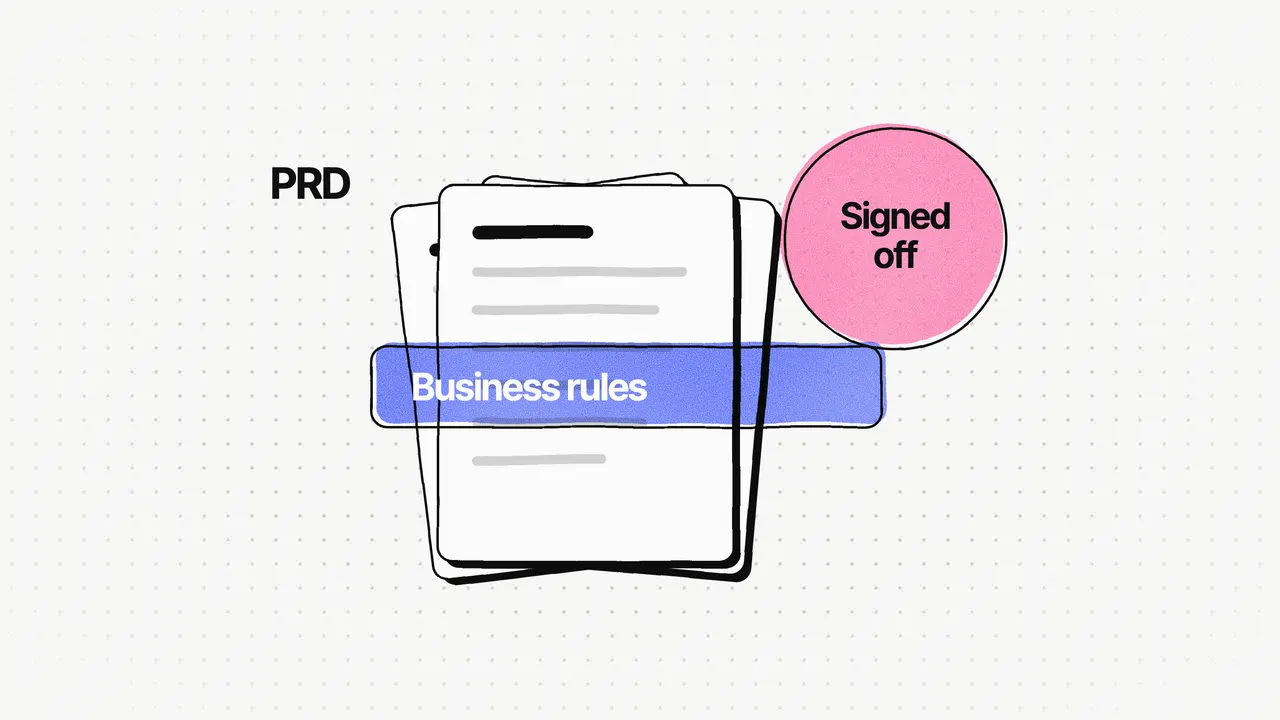
How to write a PRD developers can build from (free template)
The sections a product requirements document needs, how to write business rules nobody has to guess, and a free two-page PRD template.
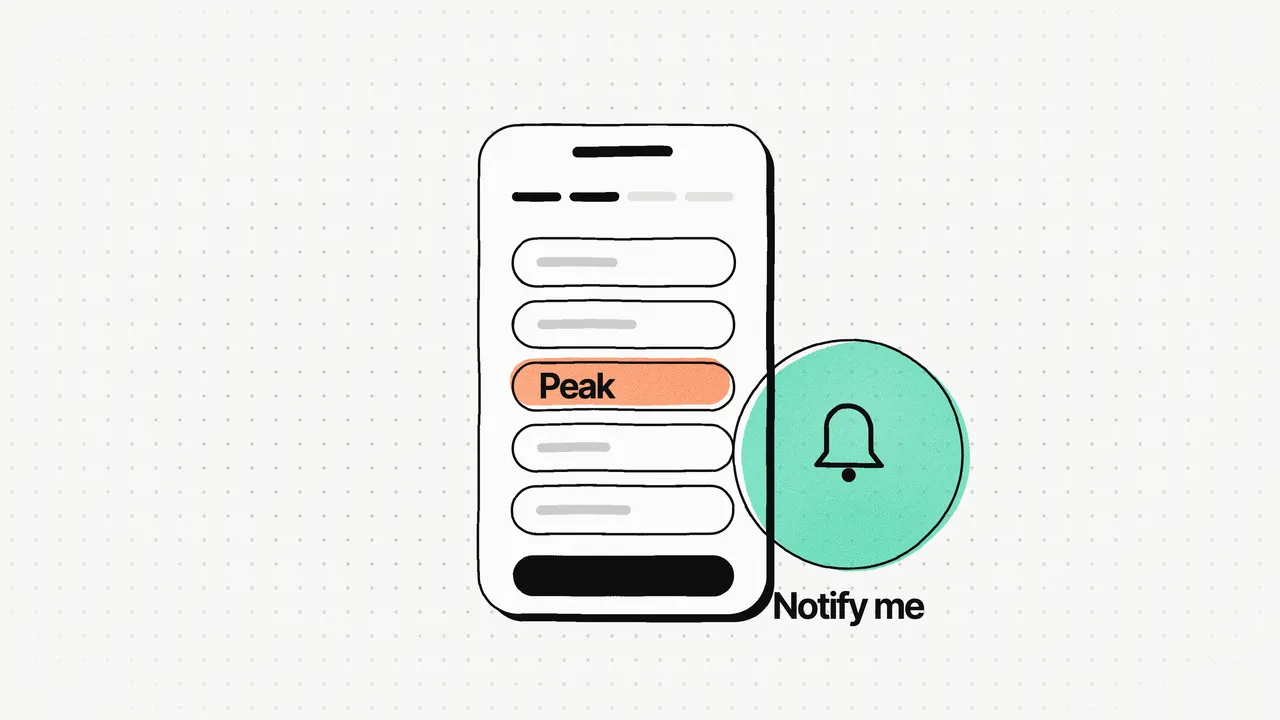
Booking flow optimization: 8 UX patterns that lift completion
Eight booking UX patterns from designing Find Your Calm's booking flow, with why each one works and what it costs.
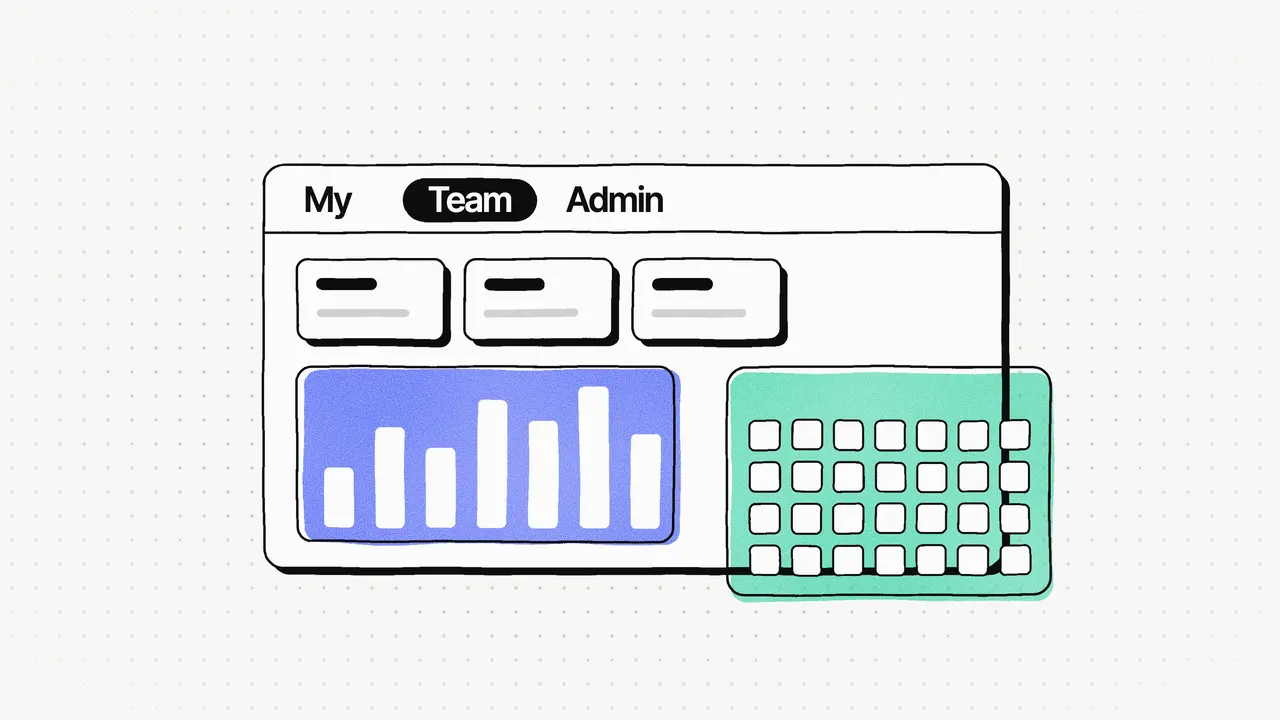
B2B SaaS dashboard design: how to design the screen people open every day
How I design B2B SaaS dashboards: start from each role's daily question, give each role its own view, and keep status, time and reports easy to find.
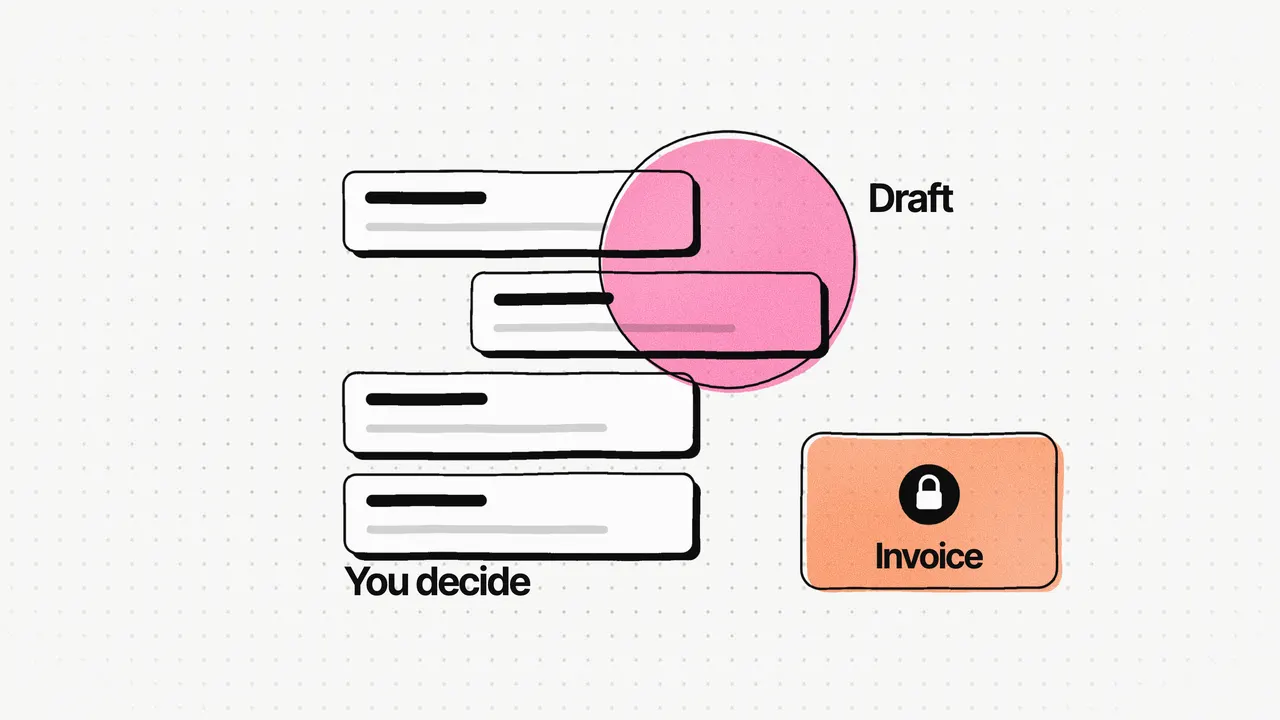
Designing AI features people trust: 7 UX patterns from shipping LeanDeck
Seven patterns from designing LeanDeck's AI proposal tool, where a proposal or agreement now takes about 5 minutes, and what each one cost.
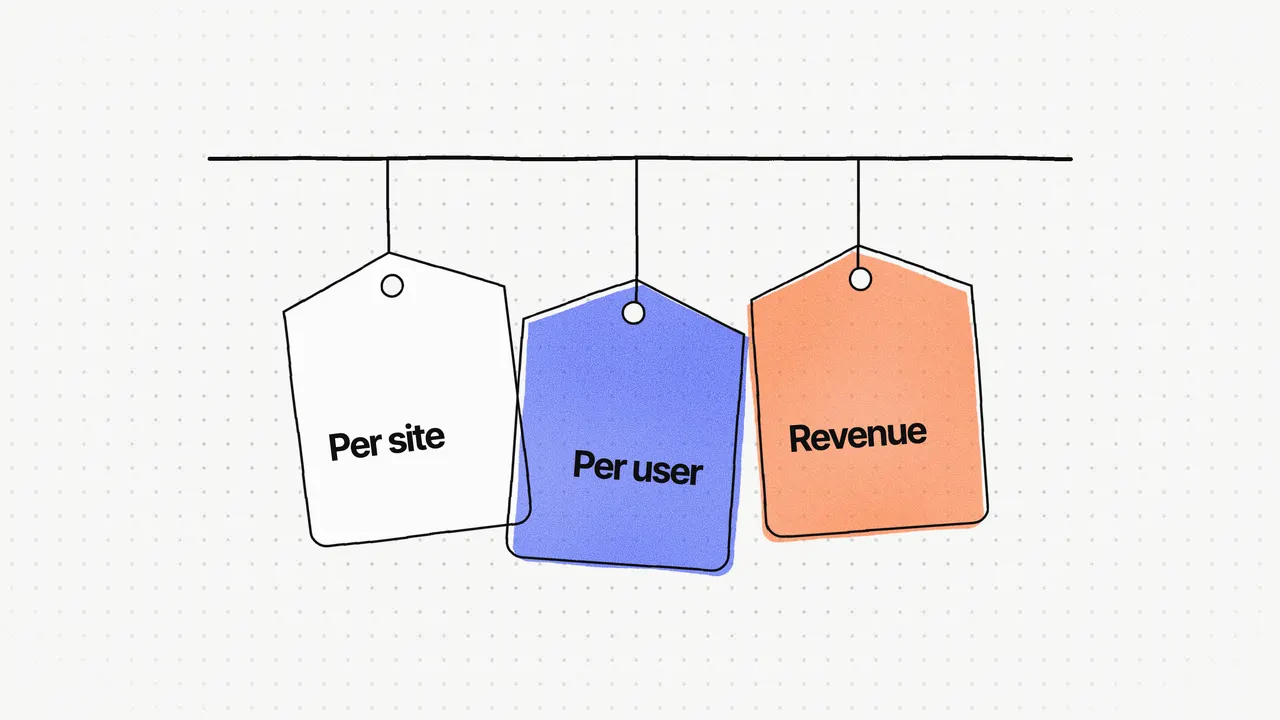
SaaS pricing models explained: per user, per location, usage and revenue‑based
What each SaaS pricing model charges for, who it suits and where it backfires, with the models I chose for Find Your Calm, KpiClock and Mark Andrews Creative.
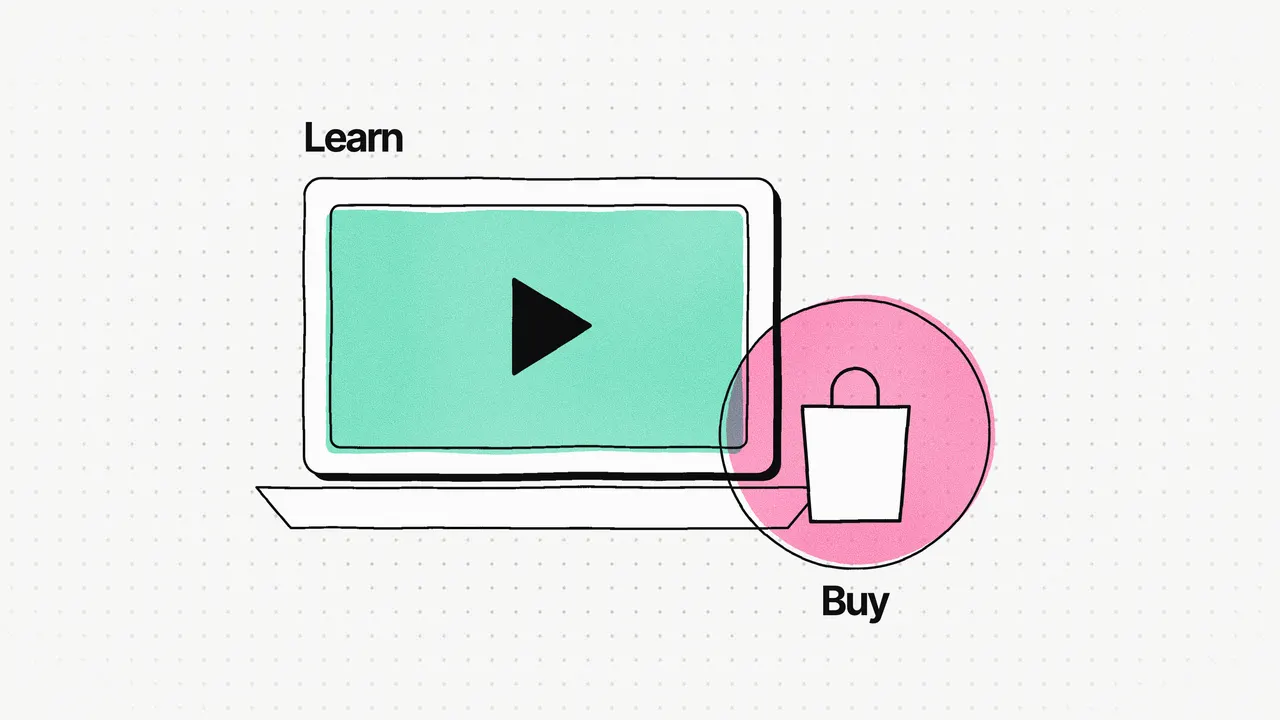
How to build an e‑learning platform like Udemy: subscriptions, courses and a shop in one
What an e-learning platform with subscriptions, courses and physical products needs, from how I specified Mark Andrews Creative, live in 12 weeks.
How to build time tracking software: features, build order and trade‑offs
The features time tracking software needs, the order I'd build them in, and the trade-offs, from leading KpiClock, now live with 900+ companies.
Product discovery for startups: a process for when the brief is one sentence
How I turn a one-line idea into goals, users, rules and a buildable scope, from the discovery work on Mark Andrews Creative, LeanDeck and Find Your Calm.
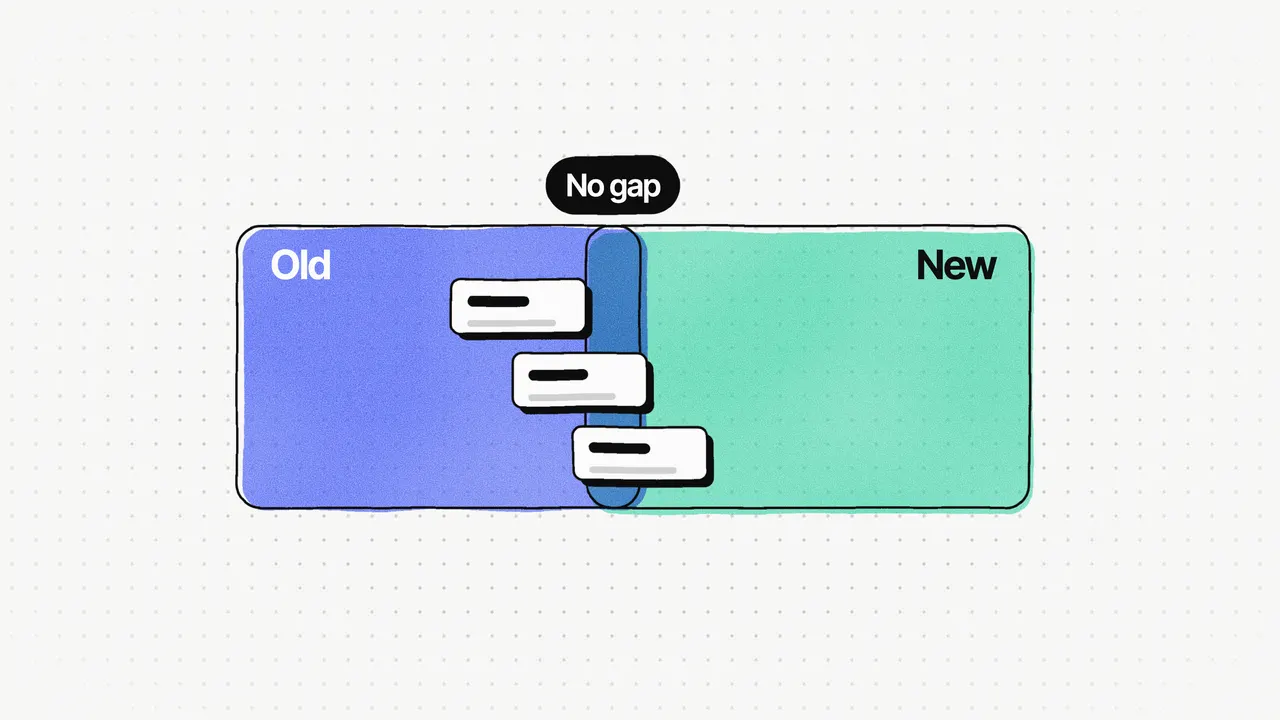
How to move customers to a new SaaS platform without downtime
A switch-over checklist from moving Rooftop Saunas onto Find Your Calm, where bookings kept flowing the whole way through.
Product manager vs product designer: what each does, and when one person can do both
What a product manager and a product designer each do, where the roles overlap, and when an early team gains from one person doing both.
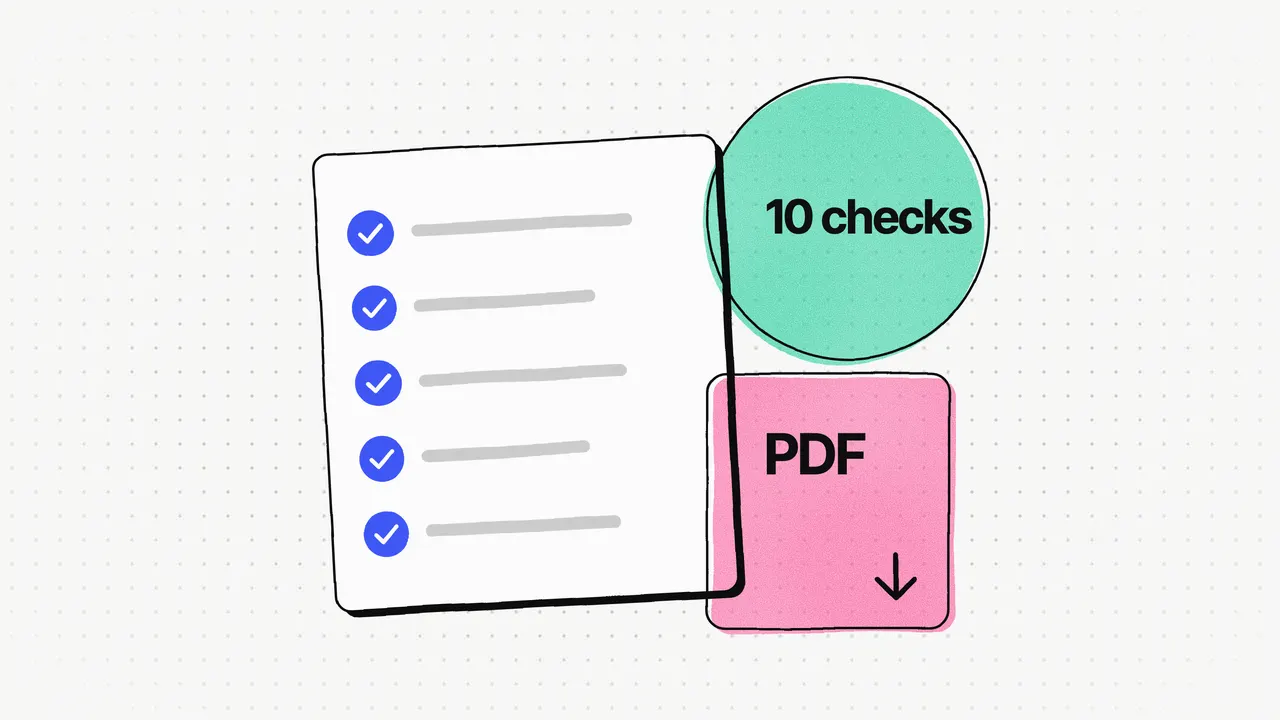
A launch‑readiness checklist for SaaS products
Ten checks I'd run before any SaaS launch, each one learned on a real product, from measuring the old system to the first weeks after launch. With a one-page PDF.
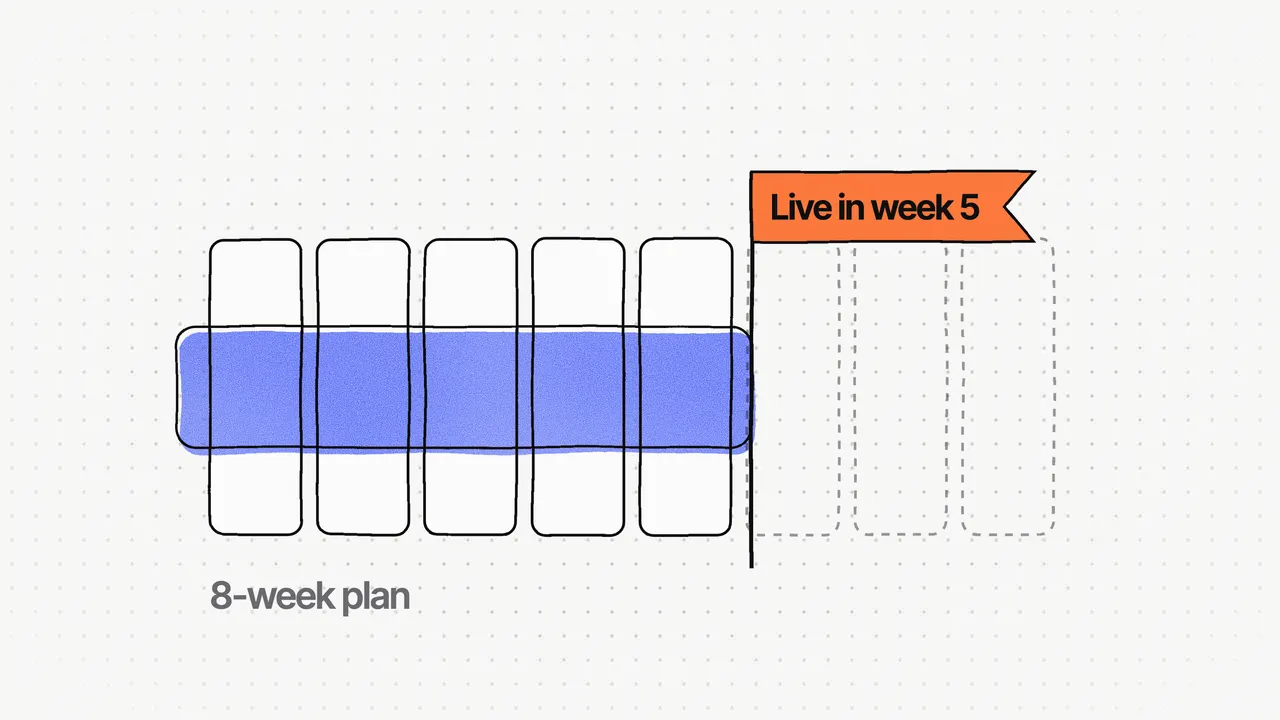
Live in 5 weeks against an 8‑week plan: integrate before you build
SportsOnTV, a 24/7 sports channel and news hub covering 32 sports, went live in five weeks against an eight-week plan. We used proven tools wherever we could and built only what had to be ours.
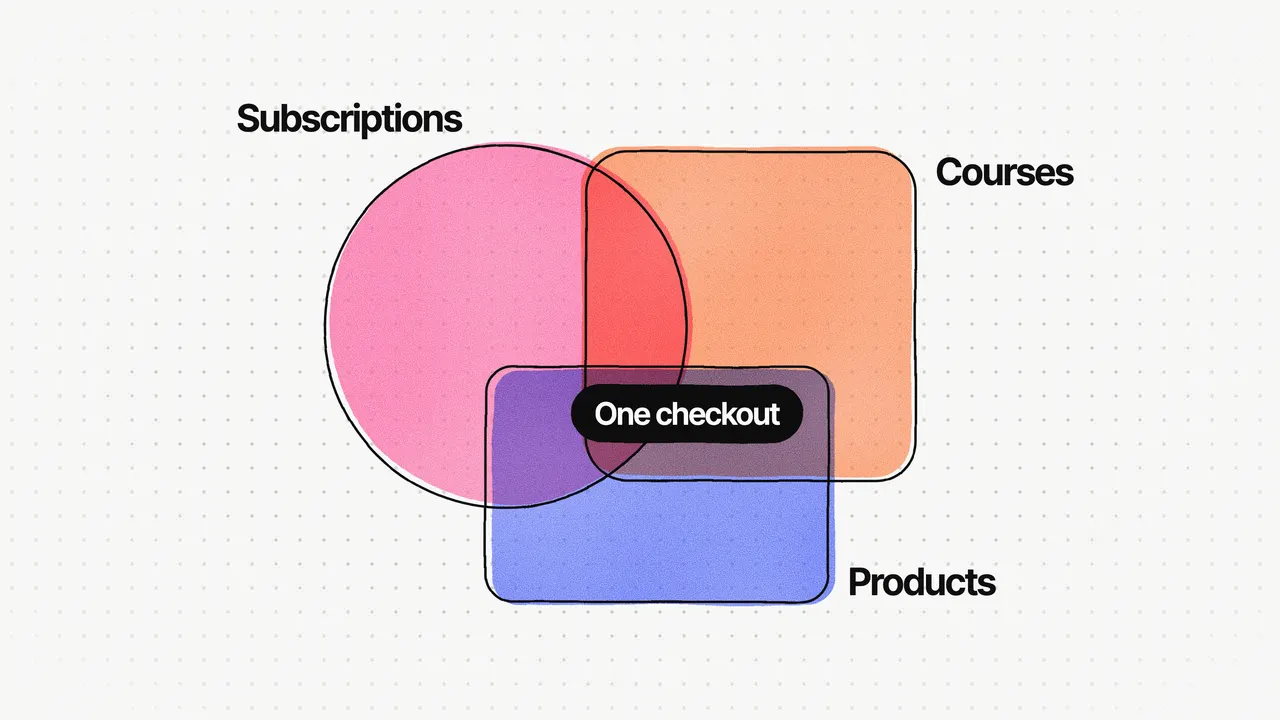
How Mark Andrews Creative sells subscriptions, courses and products in one checkout
From a one-sentence brief to a platform live in 12 weeks, with three ways to buy in one checkout. The business it runs now makes $1M+ a year.
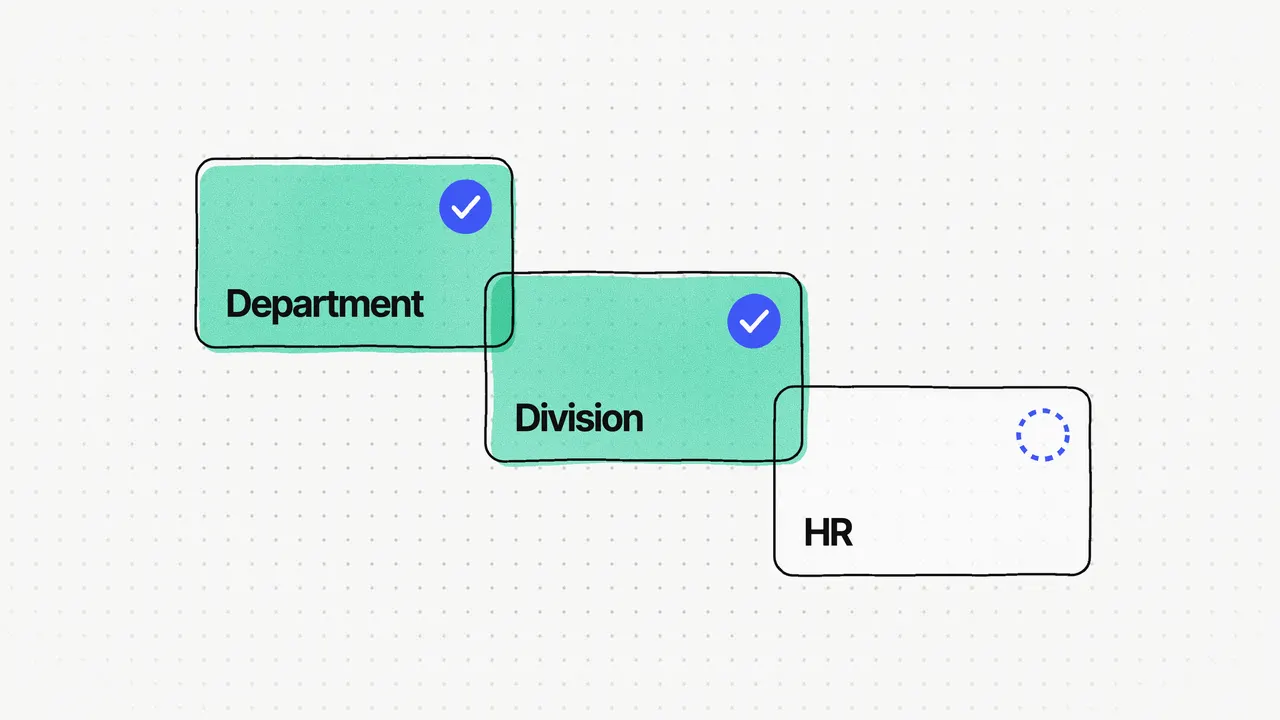
Designing approval workflows for B2B SaaS that don't lose requests
In KpiClock, each company builds its own approval steps, every approver's status is visible, and roster conflicts are caught before a roster is submitted. Here's how I designed it.
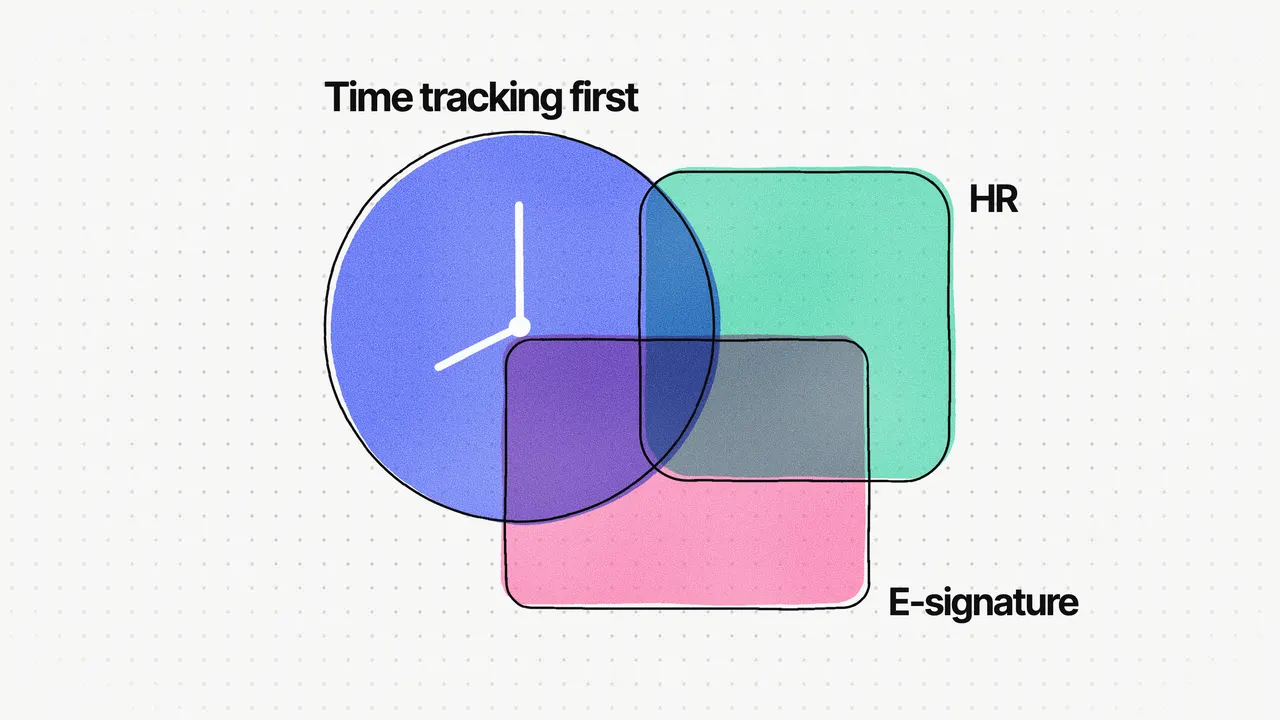
Replace three tools with one: why we shipped time tracking first
KpiClock replaces Hubstaff, BambooHR and DocuSign. We shipped time tracking completely first and added HR and e-signature after. It's now live with 900+ companies.
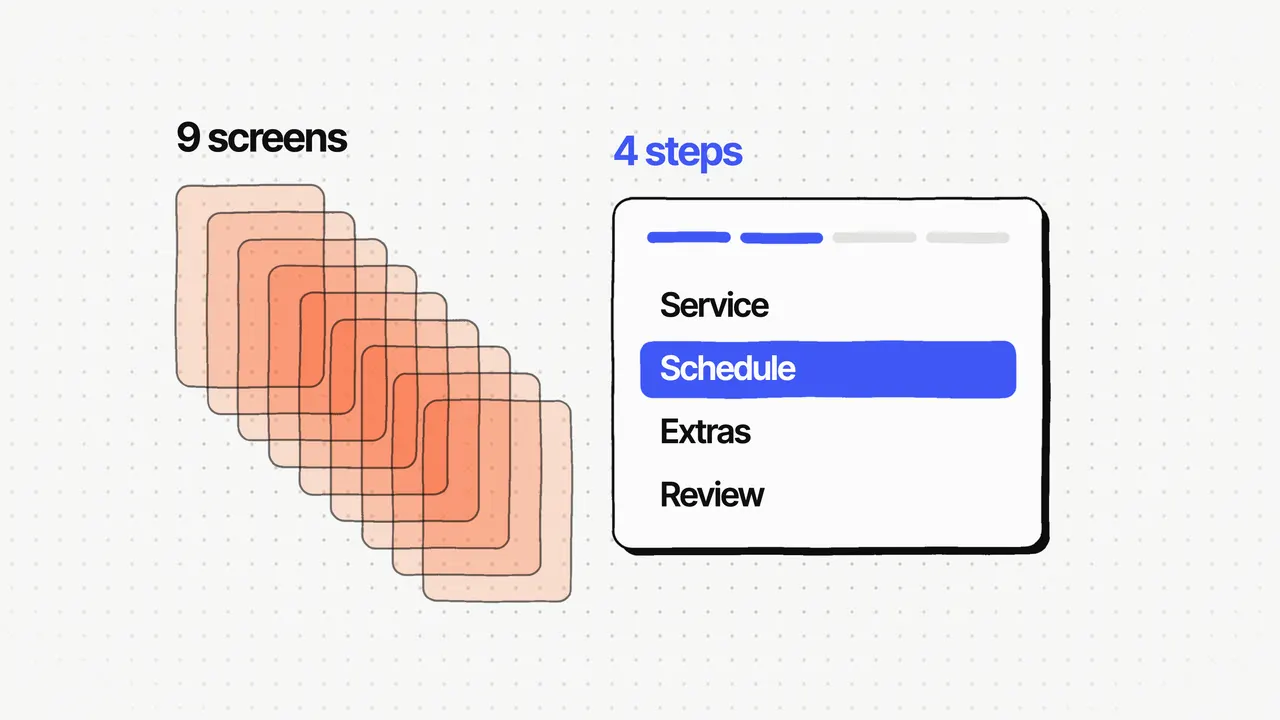
How we cut a booking flow from 9 steps to 4, and lifted completion by 31%
Find Your Calm's old booking flow took 9 steps. I redesigned it into 4, and booking completion rose 31% against the old system. Here's what I removed, what I grouped, and what it cost.
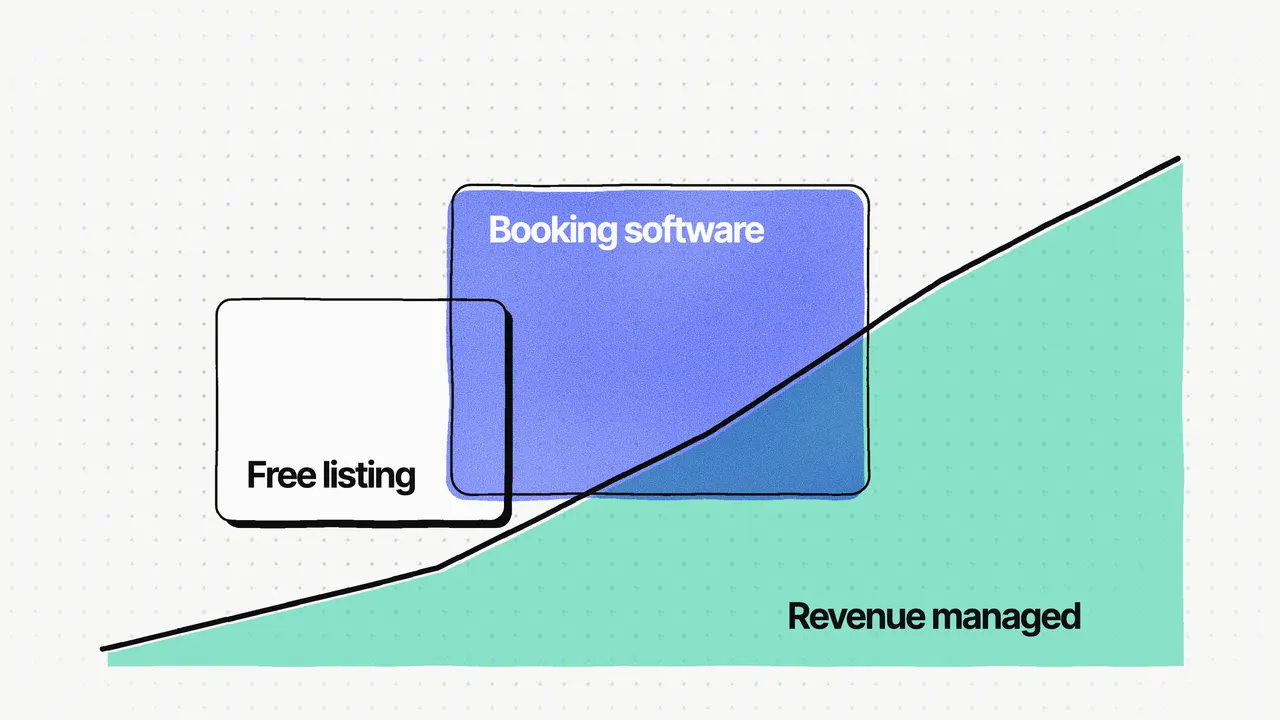
Why we priced Find Your Calm by the revenue operators manage
Find Your Calm has two tiers, a free listing and paid booking software, and it charges no commission. Here's how I designed the pricing, and why.
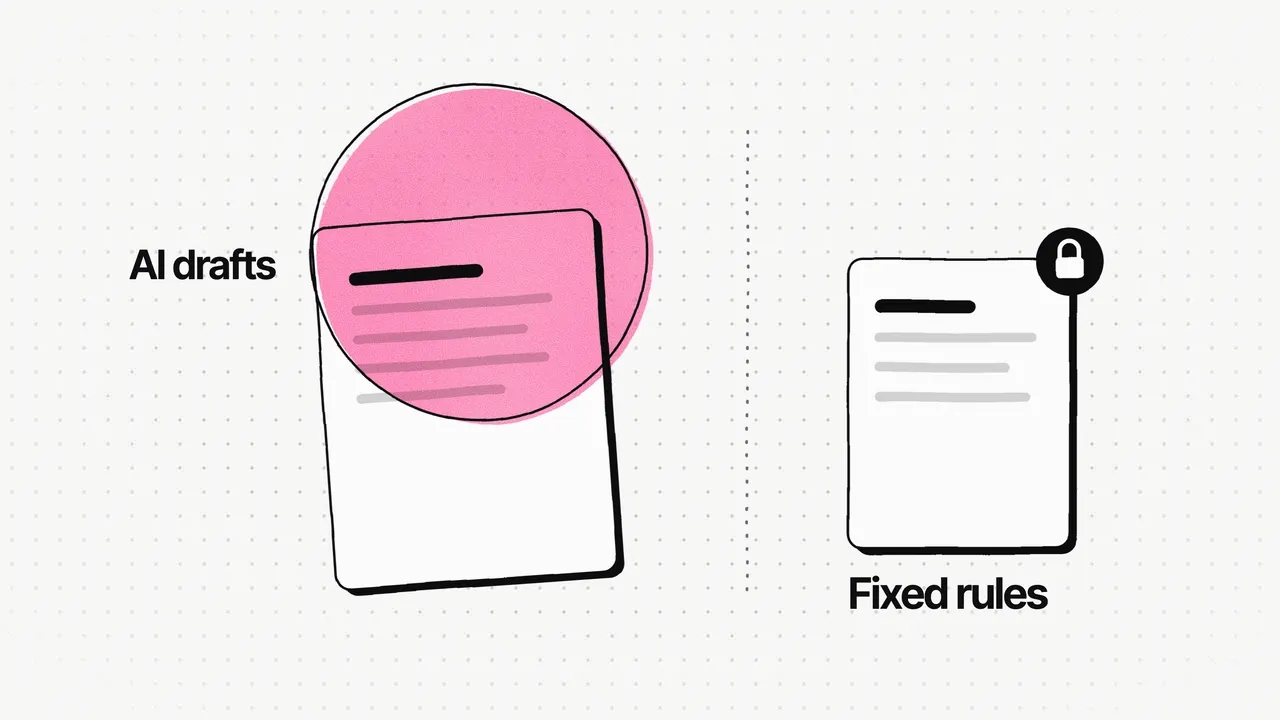
Where the AI acts in LeanDeck, and where it doesn't
AI writes the first draft of a proposal in LeanDeck. It never writes the invoice. Here's where we drew that line, and why.
Get the next one in your inbox.
About two posts a week, from real work.
You're in. Check your inbox.
One email when a post is out. No spam. Unsubscribe any time.
Something went wrong. Please email iftiak.ad@gmail.com and I'll add you.
Nothing here yet.