
I've led three products where AI does real work.
LeanDeck is an AI proposal, agreement and invoicing tool for design and development agencies. It reached beta with 6 agencies in 8 weeks. SportsOnTV is a 24/7 sports channel and news hub covering 32 sports, where AI writes the sports summaries. It went live in 5 weeks. Varsee is an AI live-shopping platform that connects online shoppers with a store's own salespeople. Its full prototype took 6 weeks.
In all three, choosing the model was the easy part. The hard decisions were where the AI acts, what it gives back, how we'd know it was good enough and who checks it before customers see it. This post goes through each of those, with what happened on each product.
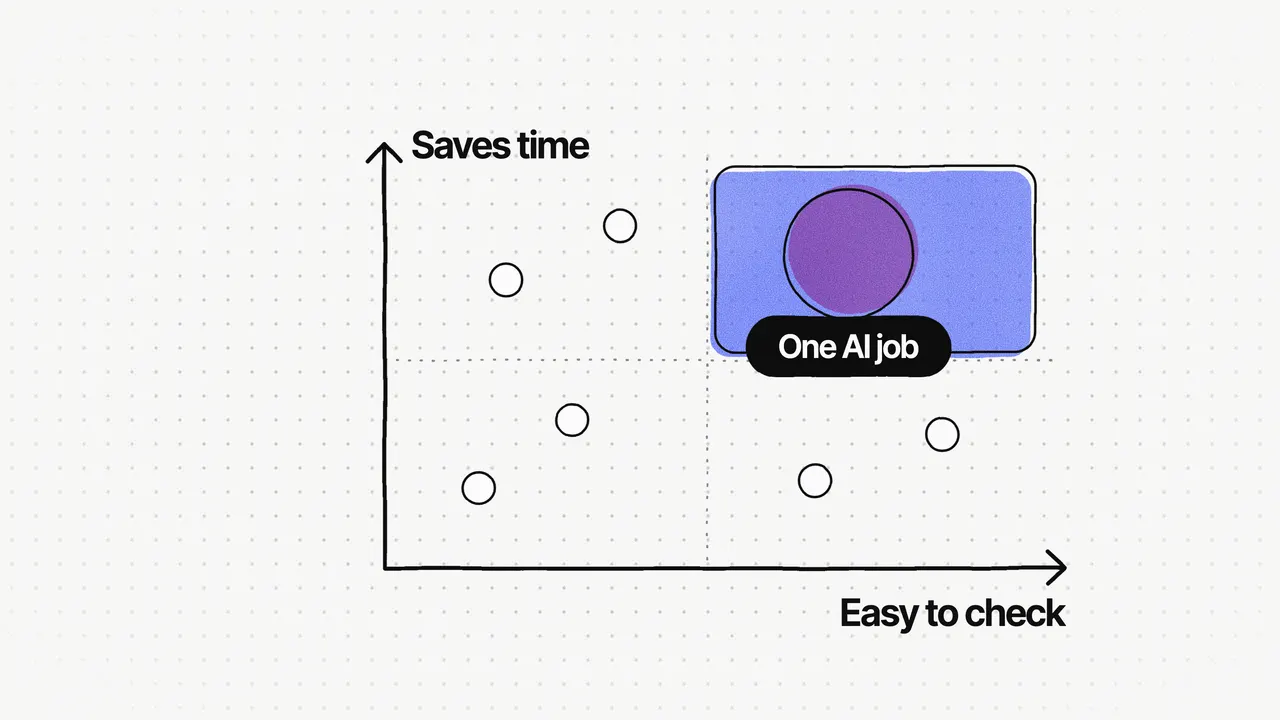
Where should the AI act in an MVP?
Start with one job where AI saves real time and a person can check the result quickly.
On LeanDeck, I ran the user interviews. Agencies told us a proposal took them 6–10 hours, mostly written by hand from scratch. That's the job we gave the AI: drafting proposals and agreements. A proposal or agreement now takes about 5 minutes.
Invoicing stayed on fixed rules. An invoice that looks right but isn't is worse than one that takes a little longer, so money never depends on what a model writes. I wrote that line out in full in Where the AI acts in LeanDeck, and where it doesn't.
Varsee went one step further. It started with a store owner who showed products to customers over FaceTime and converted over 80% of them, compared with 2–3% on the website, by the owner's own count. The person was the reason it worked. So the AI sits beside the salesperson: it reads what the shopper wants, suggests products and, later, coaches the salesperson. We said no to an AI shopping bot that replaces them.
SportsOnTV had the opposite problem. It needed fresh content across 32 sports every day and had no editorial team, so writing was the job only AI could do at that volume.
The rule I use now: if a wrong answer costs money or trust straight away, put fixed rules or a person in front of it. Give the AI the work where a fast first draft is valuable and a person can fix it.
What should the AI give back?
Structured output that people can edit.
LeanDeck's AI returns a proposal as separate sections, and agencies can edit, convert and price each one. Free text would have been easier to generate. It would also have been a block of text that agencies rewrite.
That choice had costs, and they're worth knowing before you make it:
- more prompt and evaluation work than free-text generation
- slower generation
- less freedom for the AI, because every answer has to fit a set structure
The design side of this is in Designing AI features people trust: 7 UX patterns.
On SportsOnTV the question was which output becomes permanent content. The AI summaries are stored and indexed as the site's own articles. Third-party video and news feeds are displayed, open in pop-ups and are never stored. Importing every feed item would have meant more than 200,000 duplicate posts in three months, and none of them would have been the site's own.
How do you know the AI is good enough?
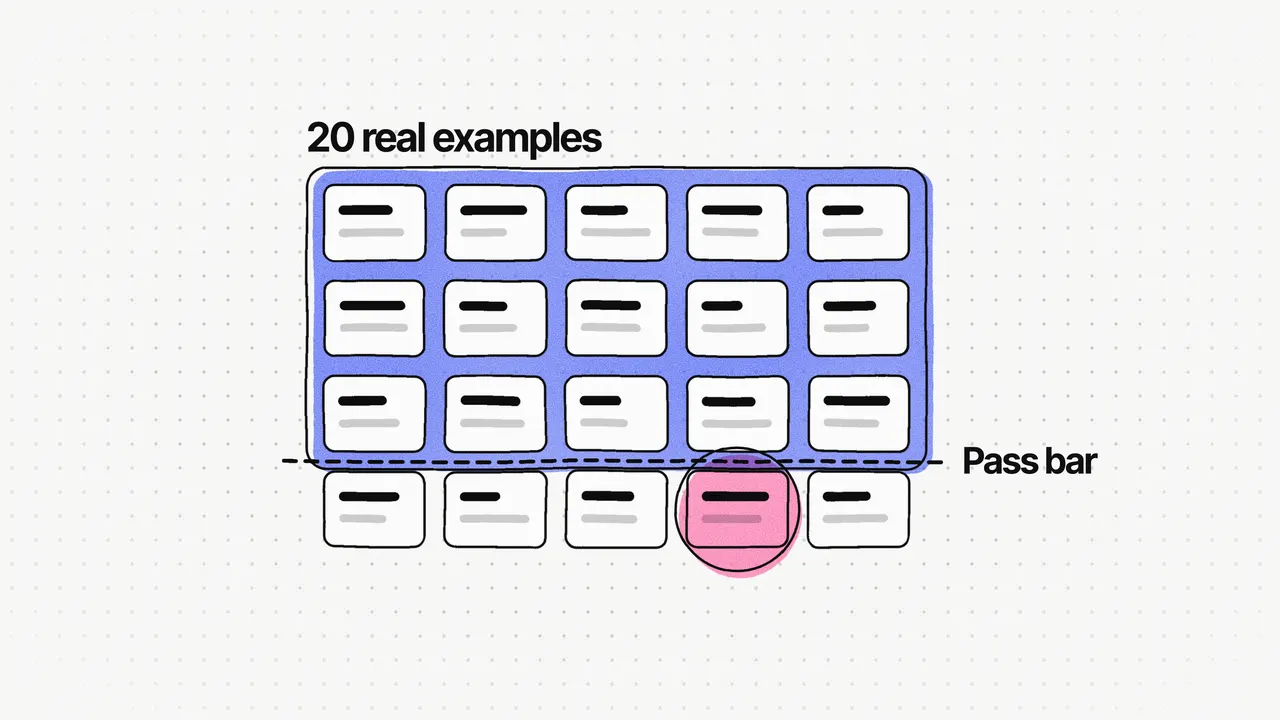
Build the test set before you start tuning prompts.
On LeanDeck I judged AI output case by case at first: read a proposal, change the prompt, read another. It works, but you never know whether a change made things better overall or only fixed the example in front of you. Next time I'd build a fixed set of test proposals in the first week and score every prompt change against it.
Write down what "good enough" means, too. For LeanDeck the goal was AI output agencies could send with light edits. If they're rewriting it, the feature isn't saving the time it promises.
Varsee taught me the same lesson from the design side: test the AI before every screen. It's easy to design a beautiful flow around AI behaviour nobody has checked yet. If the AI can't do what the screen assumes, the screen is wasted work.
Who checks the AI output?
At the start, a person does, on a real screen built for it.
For SportsOnTV we built a review panel for the client's team. Every AI sports summary arrives there first, and at launch the team reviewed each one before publishing it. The number each day depends on how much sports news there is.
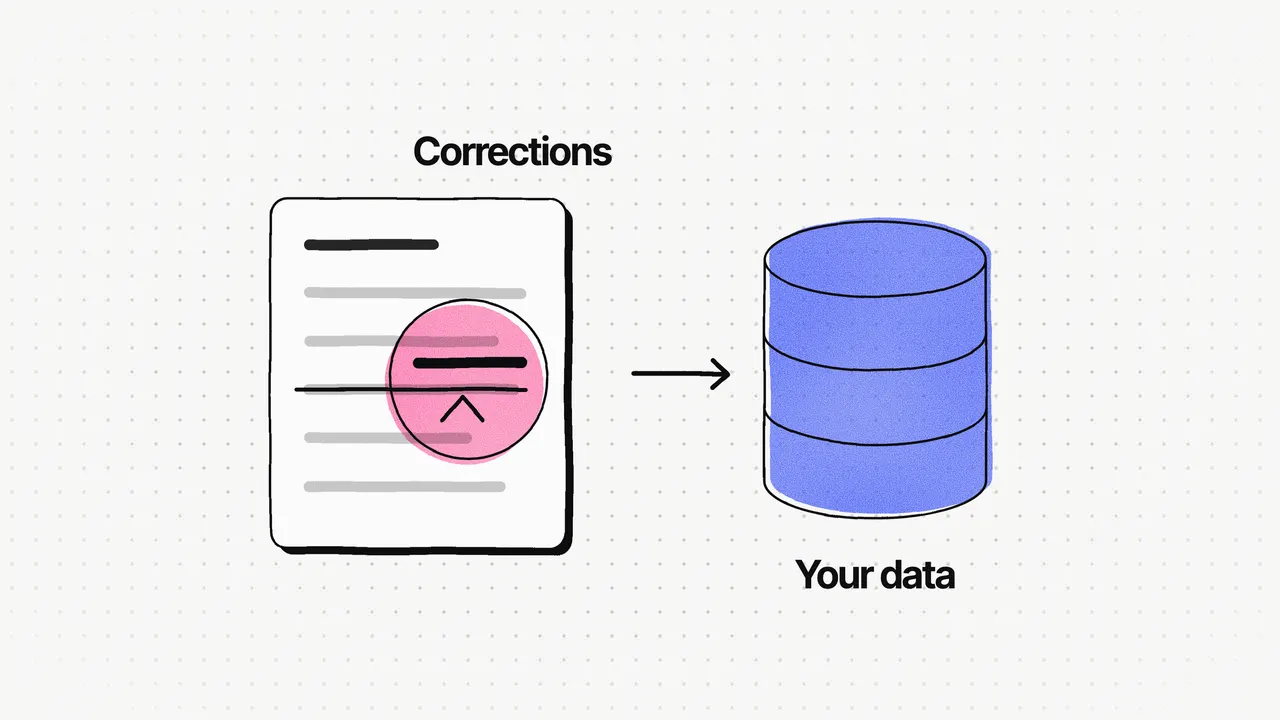
The first summaries weren't what the client was looking for. I went through the AI's guidelines and instructions and shared what needed to change, the team made the changes, and the client approved the new output. After that tuning, the client's team told us they no longer need to check each summary before it goes live.
That's the pattern I'd recommend for any AI MVP: launch with review, collect the corrections, tune, and remove the review step once the output has earned it. Removing it is a decision, so make it on evidence.
What goes in the first release?
One AI job done well, plus the non-AI basics that job needs.
- Varsee: the first release is planned around live sessions, shopper intent and product suggestions. AI coaching for the salesperson and AI try-on for shoppers come later.
- LeanDeck: the beta drafted proposals and agreements with AI and kept invoicing on fixed rules. Milestone billing moved to Phase 2.
- SportsOnTV: streaming, the TV guide and video ran on existing tools, so the AI work went only where original content was needed.
The impressive extras are tempting, especially with AI. They're also the parts most likely to be wrong in front of your first users.
How long does an AI MVP take?
Ours took 5 weeks to go live (SportsOnTV), 6 weeks to a full prototype (Varsee) and 8 weeks to a beta with real agencies (LeanDeck).
What set the time was scope. SportsOnTV was fastest because it integrated existing tools for everything that wasn't its core, and the team used AI-assisted development. LeanDeck had more to get right: its AI output had to be structured and consistent enough for agencies to send. I compare those timelines with four other products in How long does it take to build an MVP?.
What would I do differently?
Two things, both about testing earlier:
- Build the AI test set on day one. Score every prompt change against the same cases from the first week.
- Test the AI before designing the screens around it. A screen should be built on what the AI actually does.
If you're planning an AI product now, start by writing down the one job the AI does, what it returns, how you'll test it and who checks it at launch. If you can answer those four, the rest of the scope gets much easier.
Frequently asked questions
What should the first AI feature in an MVP be?
The one where AI saves the most time on a task a person can check quickly. In LeanDeck that was drafting proposals and agreements. A proposal took agencies 6–10 hours by hand; in LeanDeck it takes about 5 minutes.
Should AI handle payments or billing in an MVP?
I keep anything that moves money on fixed rules. In LeanDeck, AI drafts proposals and agreements, and invoicing follows fixed rules, because a plausible-but-wrong invoice is worse than a slower one.
How do you test AI output before launch?
Build a fixed set of test cases in the first week and score every prompt change against it. On LeanDeck I judged output case by case at first. Next time the test set comes before the first prompt change.
Does an AI MVP need human review?
At the start, yes. On SportsOnTV the client's team reviewed every AI summary in a review panel before it was published. After the AI was tuned on their feedback, they told us they no longer needed to check each one.
How long does it take to build an AI MVP?
In my three AI products, SportsOnTV went live in 5 weeks, Varsee's full prototype took 6 weeks and LeanDeck reached beta with 6 agencies in 8 weeks. Scope decided the time more than the AI did.