How long will it take to build? It's the question almost every product plan starts with. The honest answer is "it depends on what has to work on day one", but that isn't much use when you're planning a budget or a raise. So here are the real timelines from seven products I've led, what shipped first in each, and what made the time what it was.
All seven are on this site as case studies, so you can check the details.
How long did each product take to its first release?
These are the times from kickoff to the first real release: a public launch, a beta with real users, or (for one) a full prototype.
| Product | What it is | First release | Time | What shipped first |
|---|---|---|---|---|
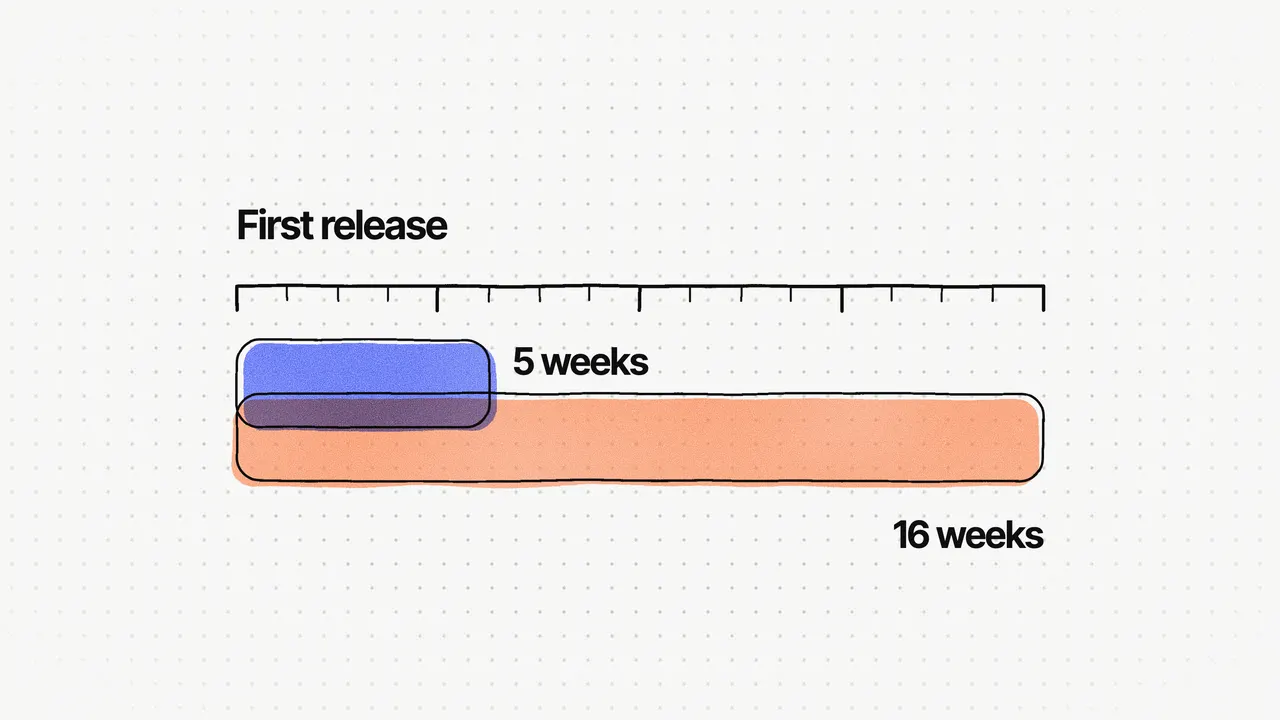
| SportsOnTV | Sports channel and news site | Public launch | 5 weeks, against an 8-week plan | A 24/7 live channel on an existing stream, AI sports summaries, 20 sports pages from one template |
| Varsee | AI live-shopping product | Full prototype | 6 weeks | All five parts of the product designed, for investor pitches (the build starts after funding) |
| LeanDeck | AI proposal, agreement and invoicing SaaS | Beta with 6 agencies | 8 weeks | AI proposals as editable sections, agreements, invoicing on fixed rules |
| Mark Andrews Creative | E-commerce and e-learning platform | Public launch | 12 weeks | Core commerce, subscriptions, learning and the core reports |
| Find Your Calm | Booking platform for wellness operators | Switch-over from the old system | About 3 months (June to August 2025) | Everything the first operator needed to move across without a gap in bookings |
| KpiClock | Team management SaaS | V1 beta | About 3 months | Time tracking, complete; HR and e-signature came in V2 |
| SmartPeople | HR and payroll platform | Launch-ready release | 16 weeks, a fixed plan | What a company needs on day one, with about 30% of modules, features and reports moved later |
Two notes so the table isn't misread. Varsee is a prototype: it shows the whole product, but nothing was built yet. And SmartPeople wasn't a new build: it was a 16-week plan to make an existing product ready to launch, after an audit I ran.
Why is the range so wide?
Team size doesn't explain it. LeanDeck had one backend and AI engineer, two developers, two product designers and me, and reached beta in 8 weeks. Mark Andrews Creative had one backend developer, two frontend developers, one product designer and me, and went live in 12. KpiClock was four people, including me. The biggest team of all was SmartPeople, where I led a team of six alongside 40+ engineers, and it had the longest timeline.
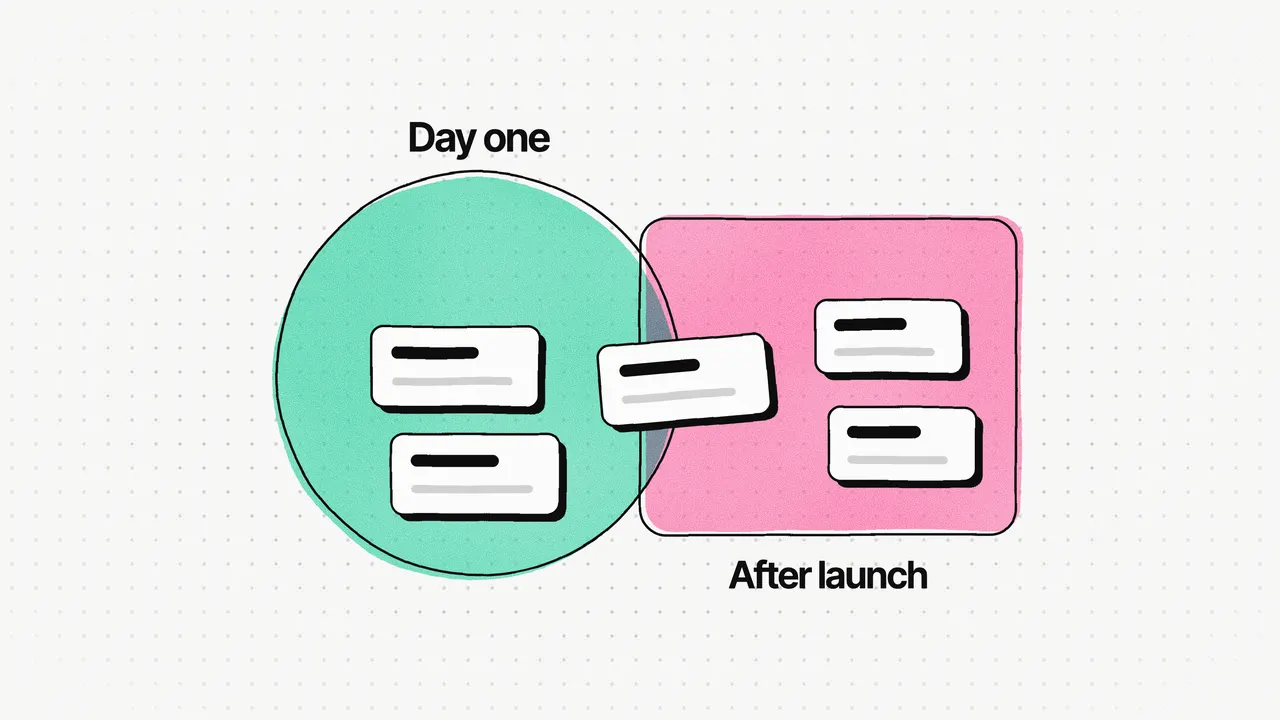
What explains it is how much had to be built, and how much had to be right on day one.
SportsOnTV went live in 5 weeks because most of it already existed as a tool. The channel runs on an existing stream with its TV programme guide, plus YouTube live and playlists and a third-party TV-listings widget. We built the parts nobody else could provide: AI-written sports summaries, and one master page template for 20 sports pages. I wrote about that in Live in 5 weeks against an 8-week plan.
SmartPeople took 16 weeks because payroll and tax can't be wrong. The plan rebuilt payroll to international rules and added a new tax engine. Even then, the date held only because we cut about 30% of modules, features and reports from the launch.
What made the fast ones fast?
Looking across the seven, the fast releases had three things in common.
They integrated before they built. SportsOnTV used an existing stream, YouTube and a listings widget for everything live. The only things we built were the things that made the site its own.
They kept the first release to one job. LeanDeck's beta did one thing well: turn an agency's answers into a proposal, then an agreement and an invoice. Milestone billing moved to Phase 2 so the beta could ship in 8 weeks.
They kept money on fixed rules. In LeanDeck, AI drafts proposals and agreements, but invoicing follows fixed rules. That was a product decision about trust, and it also kept the riskiest part simple enough to ship on time.
What made the long ones long?
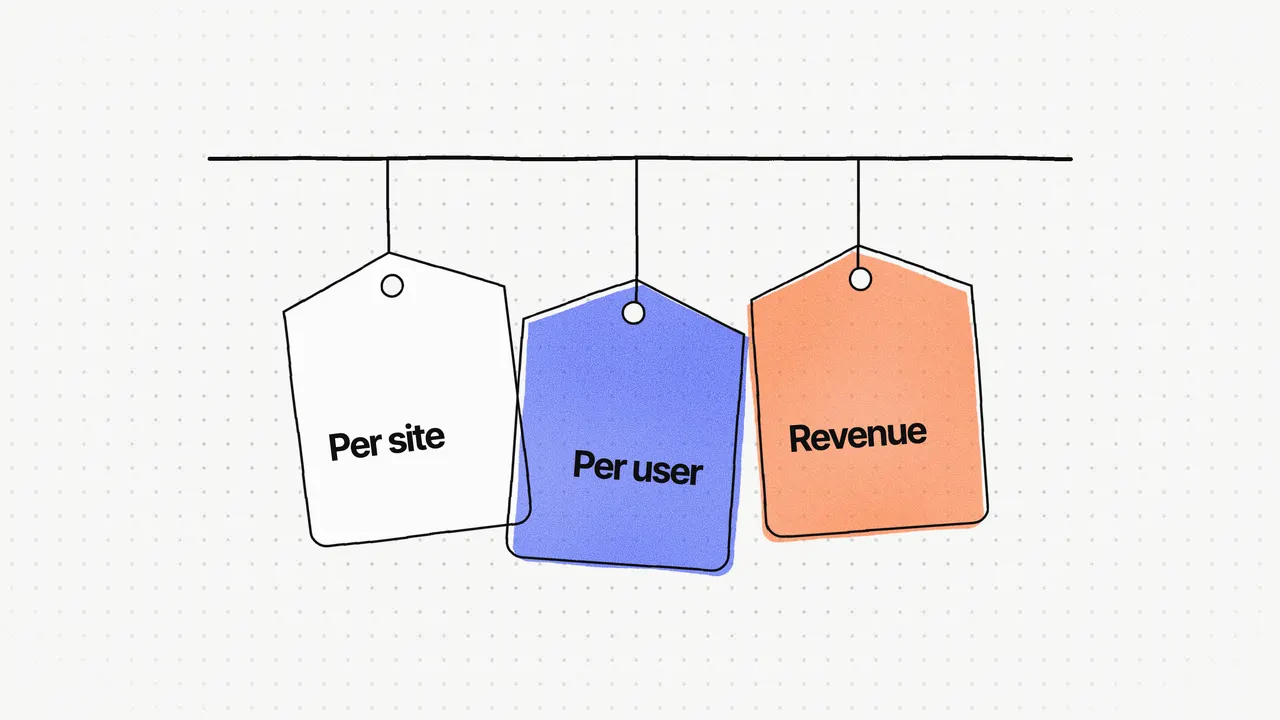
Money and access rules. Mark Andrews Creative sells a subscription library, courses and physical goods through one checkout. Each subscription includes 5 users, extra users are billed per tier, and each tier has monthly download limits. Every one of those rules had to work at launch, because they decide what people pay and what they can open. I wrote all of them into the spec, and the platform went live in 12 weeks.
Replacing a live system. Find Your Calm had to replace a booking system that was in use every day. Before the switch, every booking path was tested and all data moved across, so bookings kept flowing. That work doesn't show up as a feature, but it takes real time.
A product that had to be several things at once. KpiClock replaces three tools: time tracking, HR and e-signature. Building all three at once would have taken far longer, so V1 shipped time tracking complete, reaching beta in about three months, and V2 added HR and e-signature after it. I wrote about that call in Replace three tools with one: why we shipped time tracking first.
How do you estimate your own MVP timeline?
This is the method I use now. It won't give you a precise number, but it will tell you which end of the range you're at.
- Name the one job the first release must do. If you can't say it in a sentence, the scope isn't ready to estimate.
- List what already exists as a tool. Payments, video, calendars, e-signature and page builders all exist. Each one you integrate is weeks you don't spend.
- Mark everything that touches money or access. Pricing rules, billing, permissions and limits take longer than they look, because they have to be right on day one.
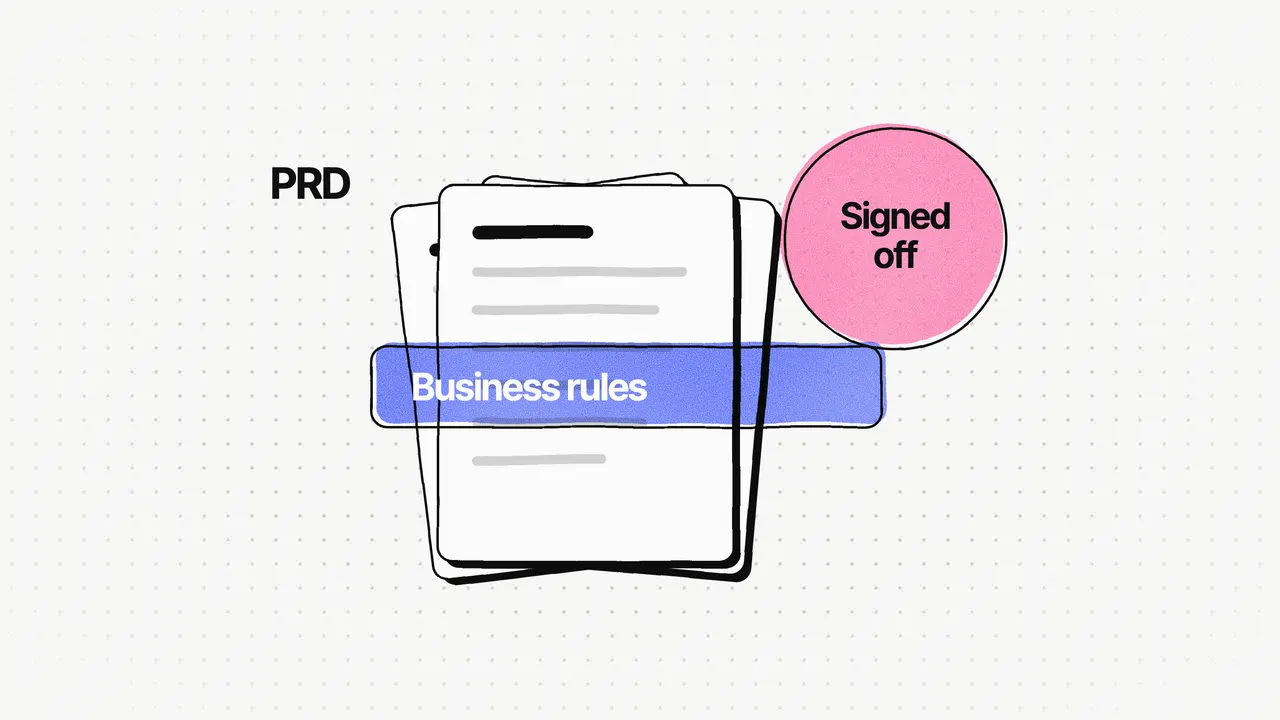
- Write the rules down in week one. In my experience, most delays start as a rule nobody wrote down.
- Decide what moves after launch. At SmartPeople the cut was about 30%. At Find Your Calm, anything that needed more work to share across all operators moved to a later release. Make that list before you start, so every cut is already agreed when the date gets close.
If the honest answer is "most of it is custom, and money moves through it", plan for the long end: three months or more. If most of it is integration and content, the short end is realistic.
I go through the cutting side in more detail in How to scope an MVP.
Frequently asked questions
How long does it take to build an MVP?
In my projects, a first launch or beta took between 5 and 16 weeks. A website built on existing tools went live in 5 weeks; an AI SaaS reached beta in 8; an e-commerce and e-learning platform went live in 12. The longer ones had more that had to be right on day one.
Can you build an MVP in 4 weeks?
I haven't shipped a first release that fast. The quickest was 5 weeks, for a site that ran on an existing stream, existing video tools and a page builder. If most of what you need already exists as a tool, a few weeks is realistic; if you're building payments, permissions and reports from scratch, it isn't.
What makes an MVP take longer than planned?
Scope that keeps growing, rules that nobody wrote down, and anything that touches money. In my experience, the fix is to decide what the first release is for, write its rules in week one, and move everything else to a list for after launch.
Is a prototype the same as an MVP?
No. A prototype shows how the product would work; an MVP is something real people use. Varsee's full prototype took 6 weeks and is used to pitch investors, but its build starts after funding, so I don't count it as a launch.