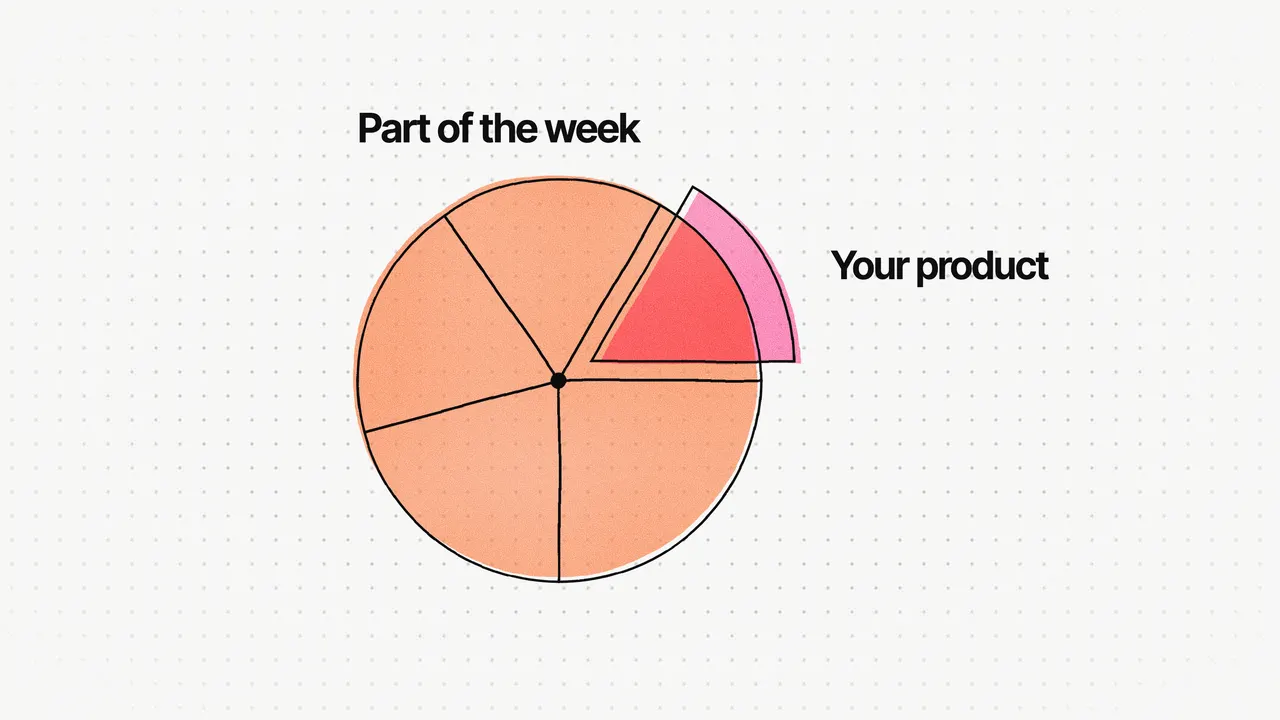

A fractional product manager is a product manager you share. They work on your product for part of the week and on other companies' products for the rest.
That's how I work. I'm the product manager on several client products at the same time, and I currently own seven products, six of them live, for clients in the US, UK and Thailand. Some are new builds, one was a project I took over halfway, and one started as a single sentence from the founder.
This post is what the job involves in practice, with a real example for each part, and how to tell whether you need one yet.
What does a fractional product manager actually do?
Mostly five things. None of them are about running meetings or moving tickets.
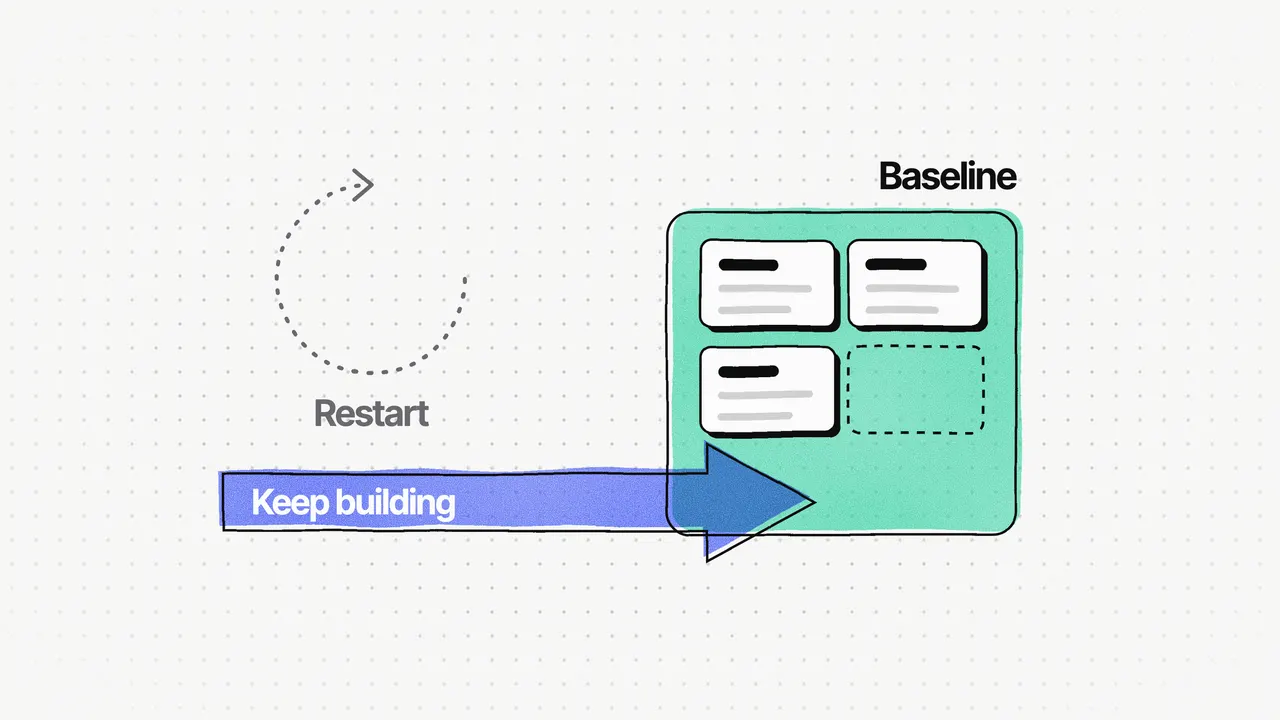
1. Decide what to build first. KpiClock replaces three tools teams already pay for: Hubstaff, BambooHR and DocuSign. Building all three at once would have meant three half-finished products. We shipped time tracking completely first, because it's the tool teams open every hour, and added HR and e-signature in V2. KpiClock is live with 900+ companies and 25,000+ users. The full story is in Replace three tools with one: why we shipped time tracking first.
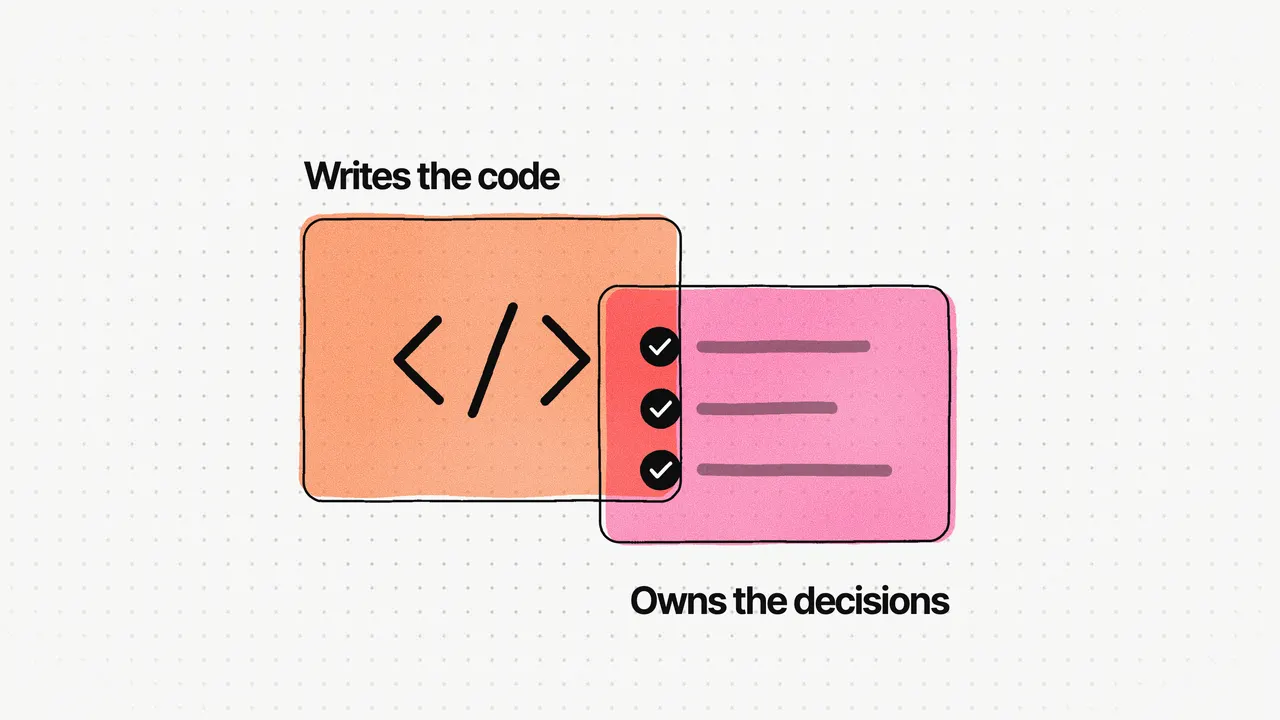
2. Write the rules developers build from. Mark Andrews Creative started with one sentence: a platform to sell courses, books and products, with e-learning like Coursera and Udemy. There was no documentation and no plan. I wrote all the requirements, specs, feature definitions and business logic, and the developers built from them. It went live in 12 weeks and now makes $1M+ a year.
3. Shape the pricing. On Find Your Calm, a booking platform for wellness operators, I designed the pricing model and the client approved it: a free marketplace listing, plus booking software priced by the revenue each operator manages. Adding users or locations doesn't change the price. I explain why in Why we priced Find Your Calm by the revenue operators manage.
4. Decide where AI acts. In LeanDeck, an AI proposal tool for design and development agencies, AI drafts proposals and agreements as structured, editable sections, and invoicing follows fixed rules. A proposal or agreement now takes about 5 minutes, against 6–10 hours by hand.
5. Set success metrics and get the launch done. I took over AidNetwork, a US healthcare staffing platform, after its project manager left mid-build. We agreed three success metrics with the client before launch and went live about two months after I took over.
Every one of those is a decision someone has to own. In a small company, if nobody owns them, the developers end up making them by default, one ticket at a time.
How is it different from a project manager or a fractional CPO?
A project manager tracks delivery: dates, tasks and who's doing what. A product manager decides what's being delivered and why. You can have both, and on bigger teams you often do.
A fractional CPO sets product strategy across a company and usually manages product people. A fractional product manager is hands-on with one product: the scope, the requirements, the trade-offs and the launch.
For an early-stage company with one product and no product team, the hands-on role is usually what's missing. Strategy matters, but the first problem is getting the right first version built.
When do you need one?
These are the situations where I see it pay off fastest:
- You have an idea, maybe only a sentence long, and developers ready to build, but nobody to turn it into a scope they can build from.
- Your developers keep asking questions that nobody answers, so they guess.
- The launch date keeps moving because the scope keeps growing.
- Your project manager or agency left mid-build. I wrote about exactly that in Taking over a software project mid-build.
- You're adding AI and you're not sure where it should act and where it shouldn't.
You probably don't need one yet if someone on your team already owns product decisions and has the time, or if the product is stable and the work is mostly maintenance.
When should you switch to a full‑time product manager?
When product decisions take a whole person every week. That usually means more than one team building at the same time, a steady flow of customer feedback to act on, and a roadmap that changes every month.
Before that point, part-time keeps senior product judgment on your product without paying for the weeks when there isn't a full week of product work.
How does it work week to week?
The shape I use has five stages:
- Intro call: we talk about the product, the users and the goal.
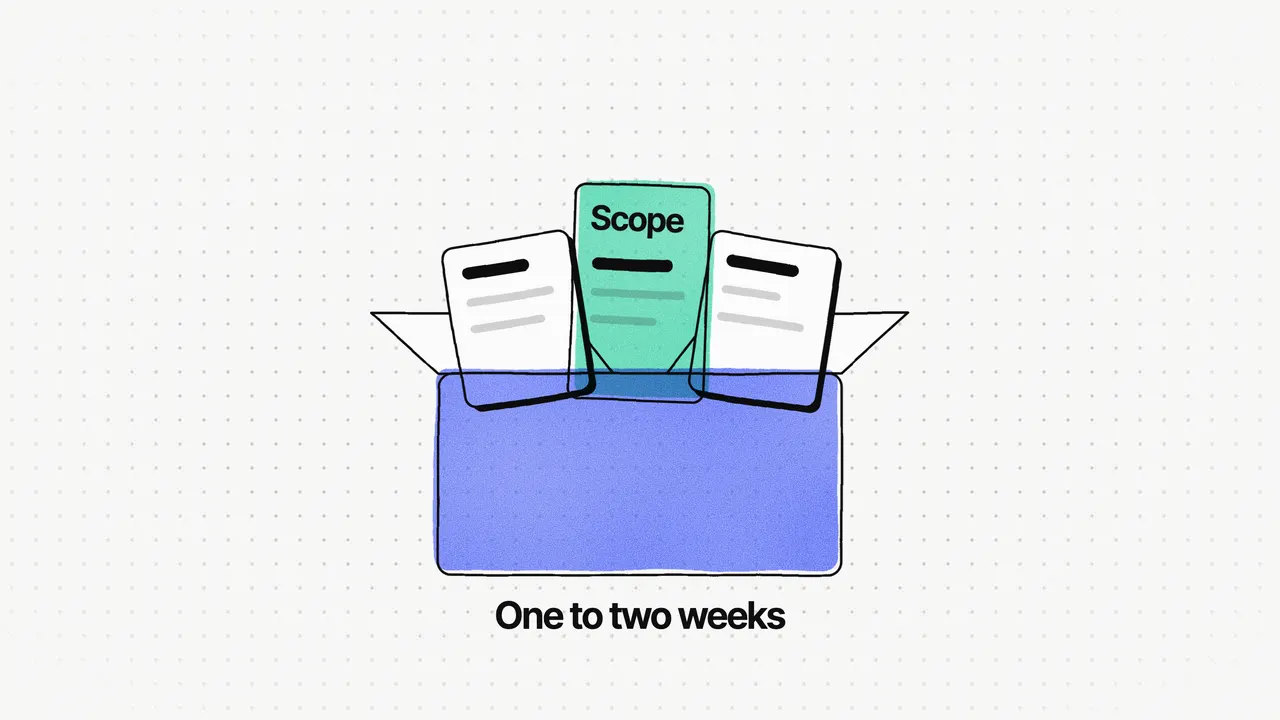
- Discovery and scope: a written scope, the rules, and what moves to after launch.
- Design: flows, screens and a clickable prototype, with regular reviews.
- Build and launch: I work with your developers through launch.
- After launch: measure, learn and improve.
You don't need all five. Some founders only want the scope, so their own team can build from a written plan. Some want the design. Some want the whole thing, end to end.
I keep a small number of projects running at a time, so each one gets real attention. I'm based in Dhaka (UTC+6) and work remotely with teams in the US, UK and elsewhere.
What should you ask before hiring one?
- "What have you shipped, and can I see it live?" Products you can open are worth more than slides.
- "Walk me through one decision and what it cost." Good product managers remember their trade-offs, including the ones that hurt.
- "What would you cut from my first release?" If the answer is nothing, keep looking. The MVP scoping method I use starts with exactly that question.
- "How do you work with developers day to day?" You want written requirements and quick answers when the developers get stuck.
- "How will we know it's working?" The answer should be metrics you agree before launch.
If you're weighing up whether you need a product manager, a product designer or one person who does both, Product manager vs product designer covers that choice.
Frequently asked questions
What does a fractional product manager do?
The same job as a full-time product manager, for part of the week. They decide what to build and in what order, write the requirements developers build from, set success metrics and work with the team through launch.
When should a startup hire a fractional product manager?
When there's a product to build or rescue, but not yet enough product work for a full-time hire. That's usually from the first scope through the first months after launch.
What's the difference between a fractional product manager and a fractional CPO?
A fractional CPO sets product strategy across a company and often manages a product team. A fractional product manager is hands-on with one product, from scope and requirements to launch. A company with one product and no product team usually needs the hands-on role first.
What should you ask before hiring a fractional product manager?
Ask to see products they've shipped, have them walk you through one decision and its trade-off, and ask what they'd cut from your first release. The answer to that last question tells you more than any portfolio.