
Founders building their first product usually ask me some version of this: should I find a technical cofounder, hire an agency, or bring in a fractional product lead?
My answer starts with something that's true whoever writes the code: someone has to own the product decisions. A technical cofounder fits when the product is the company's core technology and you can give real equity. An agency fits when the scope is written down and you need a team fast. A fractional product lead fits when you need the decisions, scope and quality owned part-time, with your developers or an agency doing the build.
Here's what each one costs you, when it works, where it goes wrong, and the combinations I've seen work best.
What does "owning the MVP" actually mean?
Owning the product means making the decisions that decide whether it works, and living with them. In practice that's five jobs:
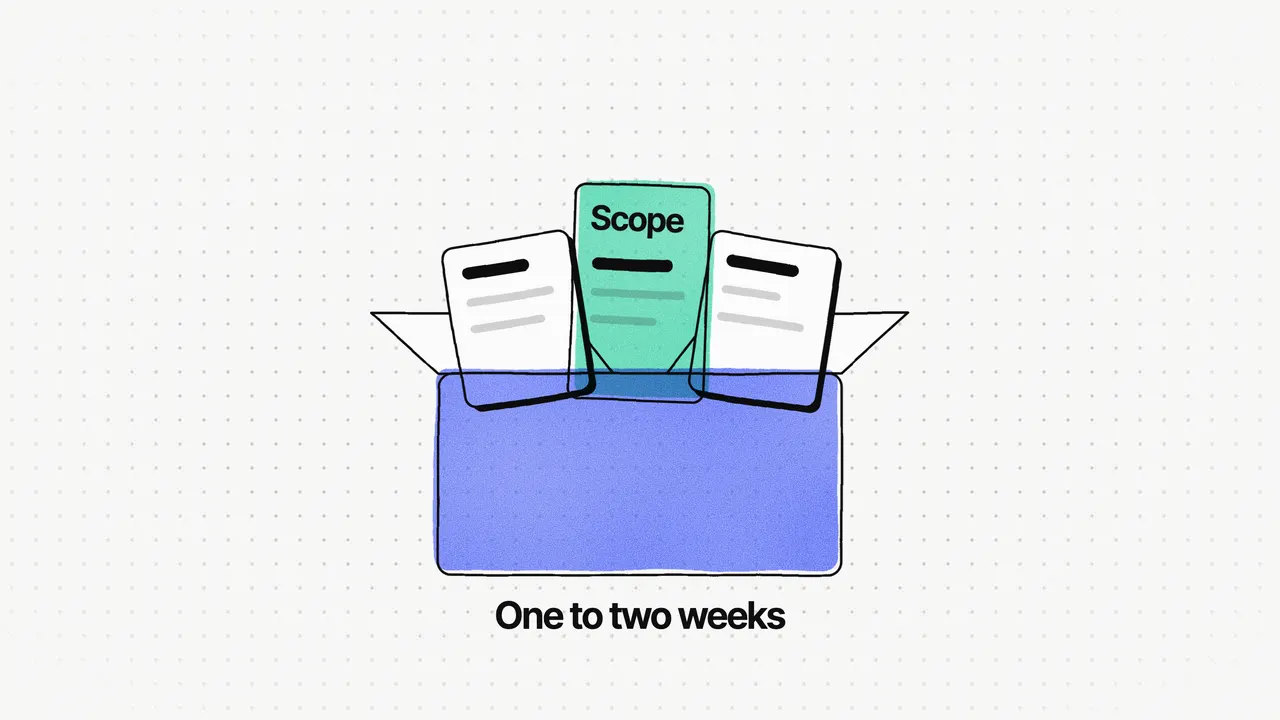
- Scope: what's in the first release, and what waits.
- Rules: how the product behaves in every case, written down so developers can build and test it.
- Trade-offs: what gives when time or money runs short.
- Launch: whether it's ready, and what happens in the first weeks.
- Metrics: how you'll know it worked, agreed before launch.
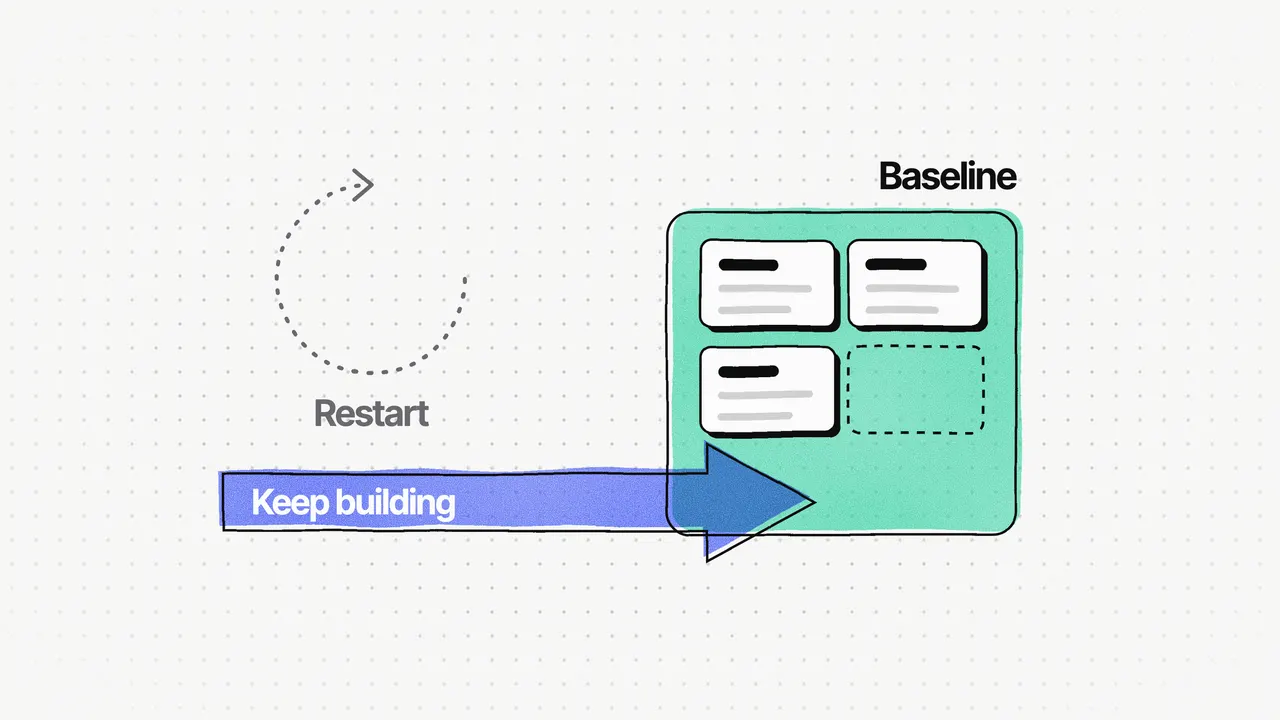
On the products I lead, these are the decisions that mattered most. On KpiClock, it was building time tracking completely first, instead of three half-finished tools at once. On Mark Andrews Creative, it was turning a one-sentence brief into the requirements and business logic developers built from. On Find Your Calm, it was the pricing model: I designed it, and the client approved it. On LeanDeck, it was where the AI acts and what stays on fixed rules. On AidNetwork, it was agreeing three success metrics with the client before launch.
None of those were coding decisions, and each one shaped what the developers built. I wrote more about this kind of work in What a fractional product manager does.
When is a technical cofounder the right choice?
When the technology is the company's main advantage, and you can offer real equity for it.
What it costs you: a large share of the company, and a long search. When it works: the product depends on something hard to build that you'll keep improving for years, and the cofounder wants to own it for that long. Where it goes wrong: a strong engineer isn't automatically a product owner. If neither cofounder owns scope and trade-offs, the product tends to grow in every direction at once.
When is an agency the right choice?
When you have a written scope and need a full team quickly.
I work at Boomdevs, a custom software agency with clients in the US, UK and Thailand, and 3 of our 8+ clients came back for more product work. So I see this option from the inside.
What it costs you: money, paid per project or per month. When it works: the scope is written, someone on your side can answer questions quickly, and the agency has a product person who owns decisions with you. Where it goes wrong: when the scope is vague and nobody owns it. The agency then has to guess, and every guess becomes a conversation about cost. That's a risk to manage, and a good agency will ask for a scope first.
When is a fractional product lead the right choice?
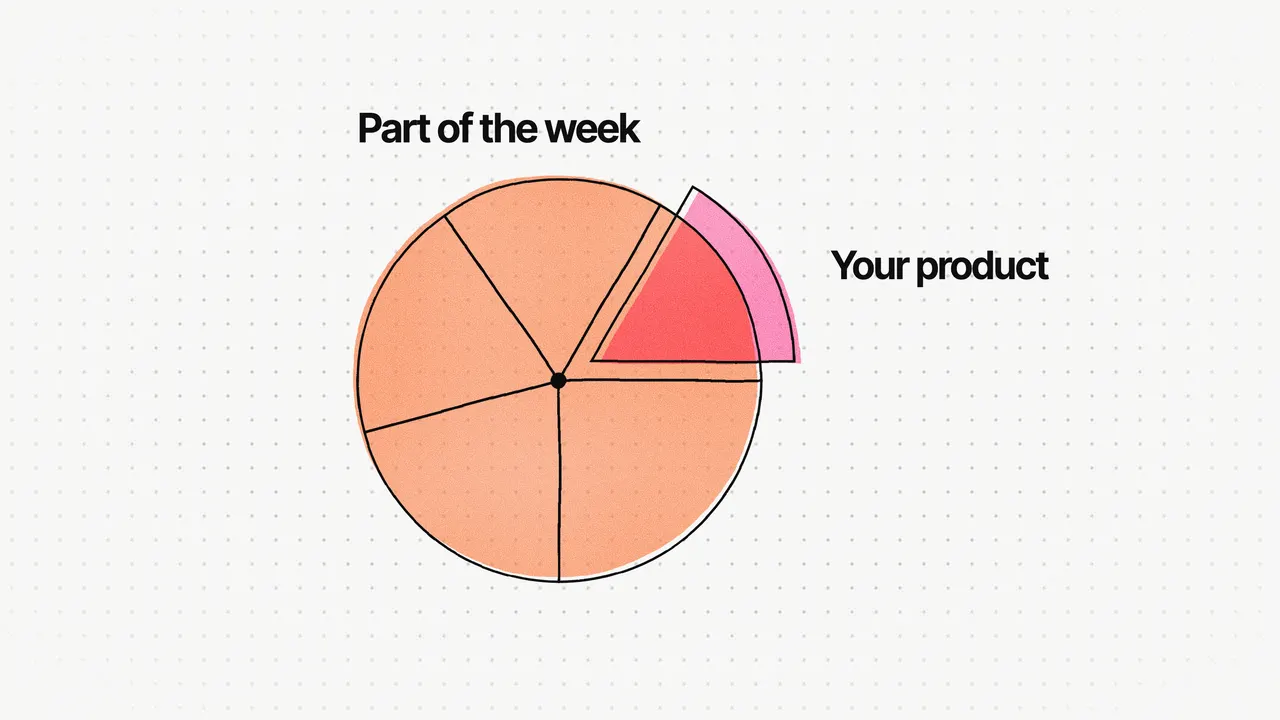
When you need someone to own the product decisions for part of the week, before there's a full week of product work every week.
What it costs you: a monthly fee, and time from you to make the final calls. When it works: from the first scope through the first months after launch, alongside your developers or an agency. Where it goes wrong: when they're kept away from the people building it, or when nobody gives them the authority to say what waits.
How do the three options compare?
| Question | Technical cofounder | Agency | Fractional product lead |
|---|---|---|---|
| What you give | Equity | Money per project or month | Money per month |
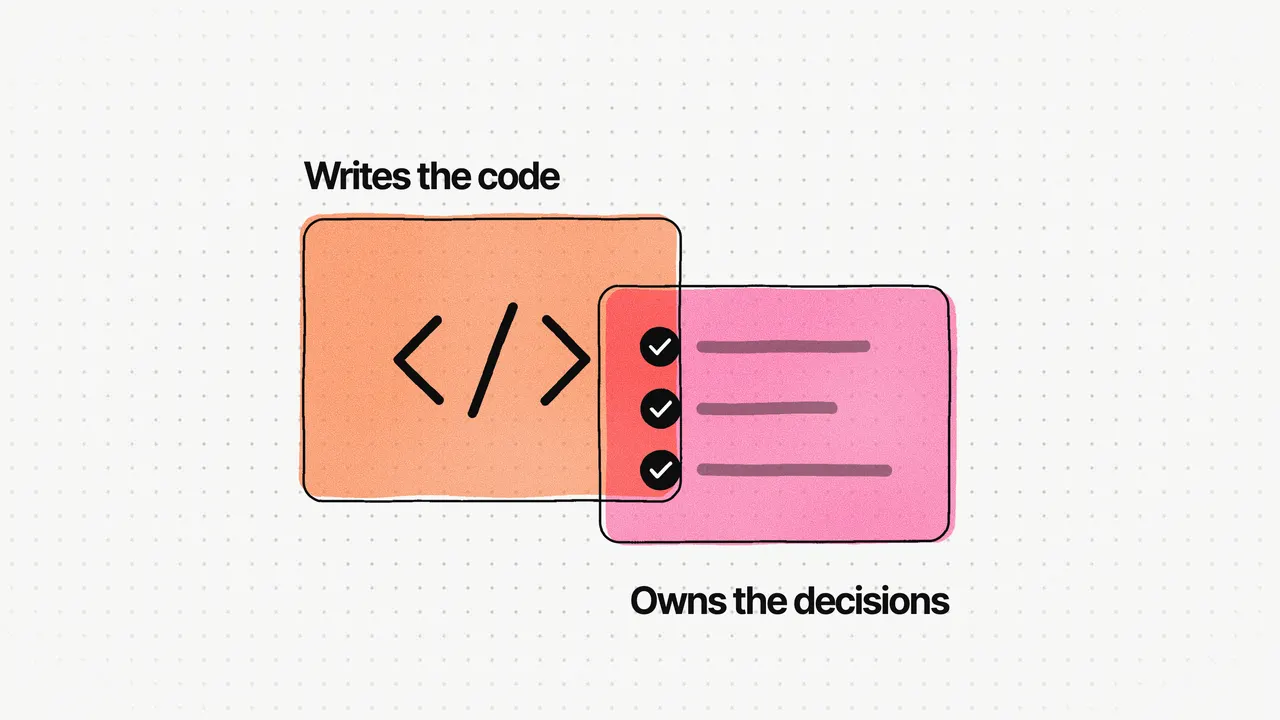
| Writes the code | Yes | Yes | No, works with whoever does |
| Owns product decisions | Only if they take it on | Only if they have a product person on your product | Yes, that's the job |
| Speed to start | Slow: finding the right person takes time | Fast | Fast |
| Best when | The technology is the advantage | The scope is written | You need decisions, scope and quality owned part-time |
Which combinations work best?
The options aren't exclusive, and the combinations are often stronger than any one on its own.
A fractional product lead with an agency. The agency builds; the product lead owns scope, rules and quality on your side. Much of my own work looks like this: Boomdevs' developers build, and I own the product decisions as the product manager, working with the client as the final decision-maker.
A technical cofounder with a fractional designer. When the cofounder owns the technology and the product decisions, a part-time designer covers the flows and screens. It works when the cofounder enjoys the product side. If they don't, a fractional product lead fills the bigger gap.
Your own developers with a fractional product lead. For a company that already has engineers but no one deciding what they build next. Taking over a project halfway through is a common version of this; I wrote about how I handled one in Taking over a software project mid-build.
What questions decide it?
Answer these honestly and the choice usually makes itself:
- Is the technology itself our main advantage, or the way we package and sell it?
- Can we offer real equity, and do we want a partner for years?
- Is our scope written down well enough that a team could price it?
- Who on our side will decide what's in, what waits and what gives?
- Do we need someone full-time yet, or part of the week?
If question 4 has no clear answer, that's the gap to fill first. It's also the difference between the two roles in Product manager vs product designer: one decides what to build, the other designs how it works, and an MVP needs both covered.
That part-time ownership is what I offer as a fractional product lead: I own the product decisions with you, scope, rules and design reviews, and work with your developers or agency through launch and after.
Frequently asked questions
Should I find a technical cofounder or hire an agency?
A technical cofounder makes sense when the technology is the company's main advantage and you can offer real equity. An agency makes sense when the scope is written down and you need a full team quickly. Either way, someone still has to own the product decisions.
Can an agency own the product decisions for my MVP?
An agency can, if it has a product manager who works on your product and you give them the authority to decide. Agencies set this up differently, so ask who on their side decides scope and trade-offs.
What does a fractional product lead do that a developer doesn't?
They decide what gets built first and why, write the rules developers build from, make the trade-offs when time runs short, and set how success is measured.
Can a fractional product lead work with my agency?
Yes. It's one of the combinations I see work best: the agency builds, and the fractional product lead owns scope, rules and quality on your side, so the agency gets clear decisions and you get someone checking the work.