
In July 2025 I took over AidNetwork halfway through the build. The project manager who'd written the first version of the requirements had left. The team was two product designers and two developers, there were four parts of the product to ship, and it still had to launch.
It launched about two months later. This is what I did, in the order I did it, and the one thing I'd add next time.
What was left when I took over?
AidNetwork is a US healthcare staffing platform. It connects healthcare facilities with verified nurses, aides and allied health professionals. Compliance is built into every step, because candidates share documents covered by US health-privacy law (HIPAA).
Four parts were in progress: a candidate web app, a candidate mobile app, an employer web app and an admin portal. There was a first version of the requirements, and it had open questions nobody had answered yet. The person who knew the reasoning behind them was gone.
That's the usual shape of a takeover. The code and the documents survive. The decisions behind them don't always make it.
Should you restart or keep going?
The tempting move is to re-scope from scratch. You'd understand everything, and every decision would be yours.
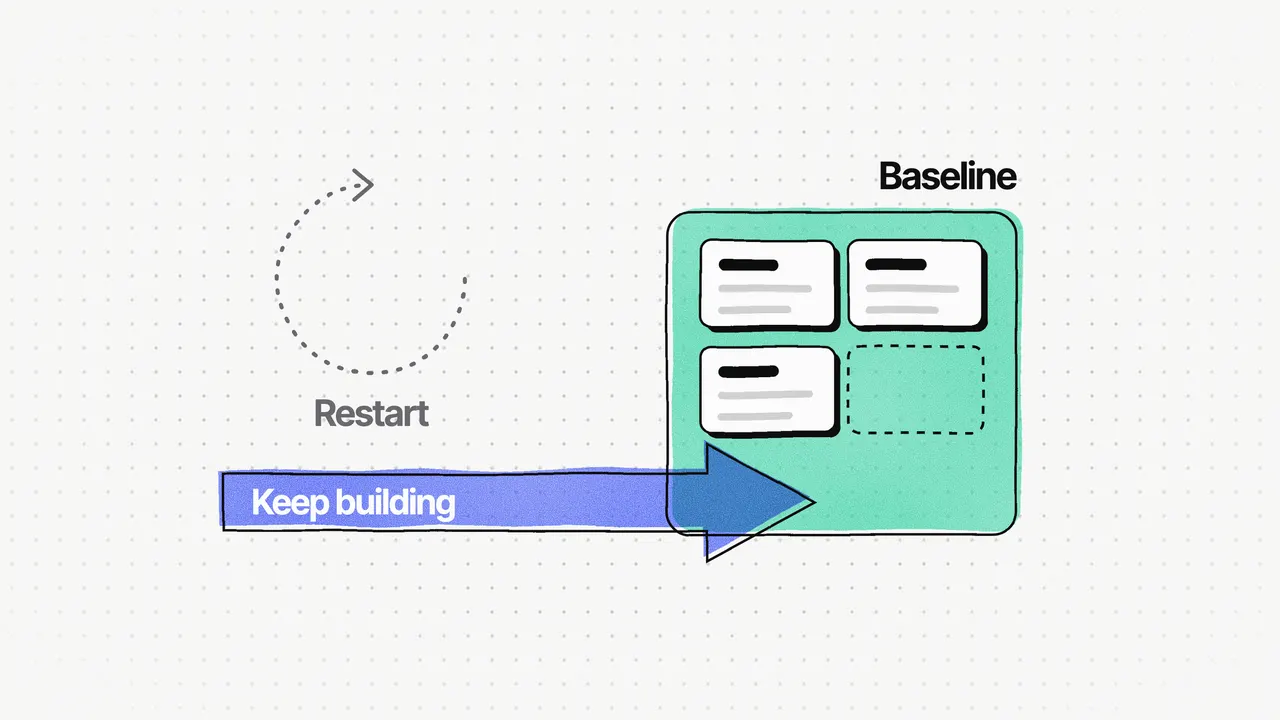
I didn't. I kept the first requirements as the baseline and worked forward from there.
Restarting would have stopped a team that was already building. Every week spent re-scoping is a week nobody ships, and most of what was in the requirements was sound. It just wasn't finished.
The trade-off was real. Some inherited decisions stayed as they were, including a few I might have made differently. Changing them would have cost more time than they were worth, and the client needed the platform live.
My rule now: restart only when the baseline is wrong at its core. If it's only unfinished, finish it.
How do you close the open decisions quickly?
I went through the requirements and listed every decision that was still open. For each one, I proposed a solution and took it to the client.
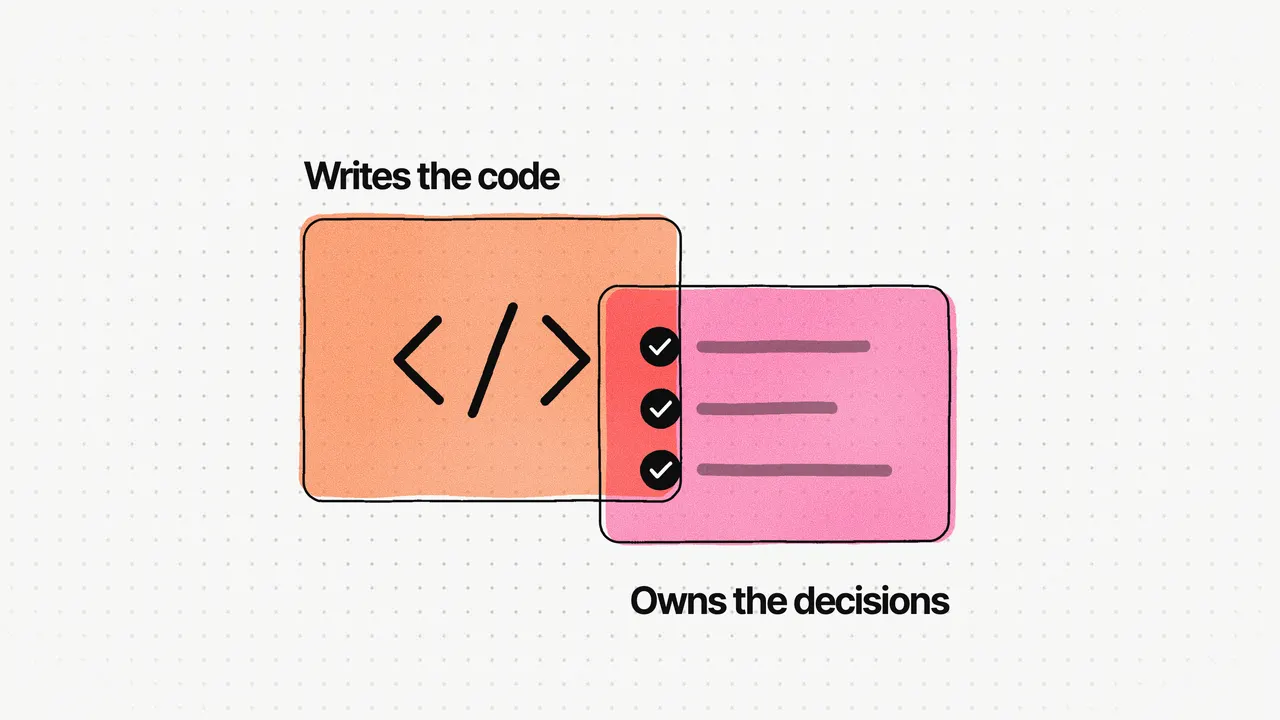
The client relied on me for the product calls, so approvals came quickly. The team kept building while the requirements were finished, and nothing reached the developers without a decision behind it.
Two habits made this work:
- One person owns the open list. Right after a handover, nobody else sees the whole picture, so it has to be the person taking over.
- Bring a recommendation, every time. "Here's what I suggest, and why" gets a decision in one conversation. "What would you like?" starts a week of back and forth.
If you're writing the decisions down as you go, a PRD is the natural home for them. I use the structure in How to write a PRD developers can build from.
Why agree success metrics before launch?
Without agreed targets, "launched" becomes the only measure of success. That's a low bar for a platform that has to place real people in real jobs.
So before launch we agreed three metrics with the client:
- Onboarding completion rate: how many candidates finish onboarding.
- Placement rate per application: how many applications end in a placement.
- Number of verified professionals on the platform.
Aligning on them took time while the build was still running. It was worth it. Today the platform is live with 6,000+ healthcare professionals, and 42.67% of applications end in a placement, as reported by the client. Those are two of the three metrics, tracked against targets agreed before anyone saw a result.
What was the riskiest part, and how did we handle it?
Onboarding. To be placed, a candidate has to upload a government ID, a Social Security number, a health clearance, a background check and medical records. A list like that is exactly where people give up.
I split onboarding into five steps:
- Personal information
- Role and work preferences
- Compliance documents
- Profile summary
- Confirmation
Each step shows a profile-completion bar. Every document comes with a short explanation of why it's needed, and candidates can skip a step and come back later. The candidate web and mobile apps use the same five steps.
Five steps sounds worse than one form. My bet was that one long compliance form asks people to commit to everything at once, while five short steps ask for one thing at a time. Candidates always know what's needed and why.
I tested the candidate journey with about 40 people before it was built, so the structure was settled before developers spent time on it. The same thinking shows up in booking flows; I wrote about it in Booking flow UX: 8 patterns that help people finish booking.
How do you keep a four‑part launch on track?
Test the riskiest journey first, then ship the parts together. For AidNetwork that was the candidate journey: if candidates don't finish onboarding, employers have nobody to review.
At launch, the candidate apps had to take each candidate through the five steps, and the employer web app had to let employers review the applications for each job. We launched all four parts about two months after I took over.
Since launch, we've added an employer mobile app and kept improving the candidate and employer mobile apps, measured against the same three metrics.
What would I do differently?
Run a handover audit on day one.
I closed the open decisions as I found them, and it worked. A structured audit at the start would make sure nothing important is lost in the switch. This is the list I'd write before changing anything:
- every decision already made, and the reason, as far as the documents show it
- every open question
- every assumption the requirements make about users, data and the law
- what's built, what's half-built and what hasn't started
- the results the client cares about, even if nobody has written them down yet
It's a few days of work. It saves the weeks you'd lose rediscovering a decision halfway through the build.
If your product manager or agency has left mid-build, the first job is the same as mine was: find out what's decided, what's open and how you'll know it worked. Then keep the team building. The launch-readiness checklist covers what to check before you go live.
Frequently asked questions
Should you restart a software project when you take it over?
Usually not. On AidNetwork I kept the first version of the requirements as the baseline and closed its open decisions with the client. Re-scoping from scratch would have stalled a team that was already building. Some inherited decisions stayed as they were, and that was a fair price for launching about two months later.
What should you do first when you take over a project?
Write down every decision that's already made, every question that's still open and every assumption the requirements make. Then agree with the client how success will be measured. Next time I'd do all of that as a formal handover audit on day one, before changing anything.
How long does it take to launch after taking over a project?
It depends on how much is already built and decided. On AidNetwork we launched about two months after I took over, across all four parts of the product.
What usually goes wrong when a project changes hands?
The reasons behind decisions get lost. The documents and the code survive, but the person who knew why things are the way they are has gone. That's why the first job is to write down what was decided before you change any of it.