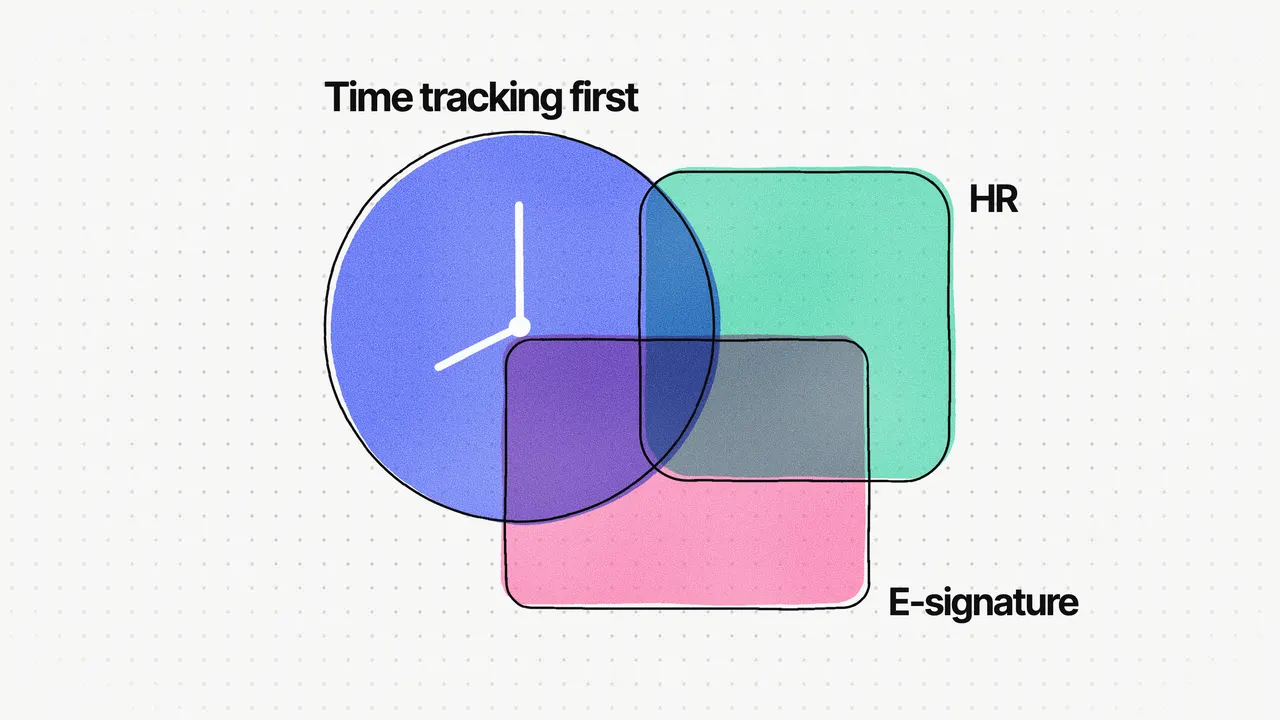
KpiClock does the work of three tools: Hubstaff for time tracking, BambooHR for HR and DocuSign for e-signature. We didn't build all three at once. We shipped time tracking completely first, then added HR and e-signature, and KpiClock is now live with 900+ companies and 25,000+ users.
This post is about that sequencing decision: why time tracking went first, what waited, and what it cost.
Three tools, four people
Teams were running time tracking, HR and e-signature on three separate tools, with three bills and three logins. KpiClock, built for a US client, had to replace all three. The team was four people: me as Product Manager and Lead Product Designer, one product designer, one backend engineer and one frontend engineer. We started on 14 July 2025.
With four people and three tools to replace, there were two ways to go. We could build every module at once and launch them all half-finished. Or we could finish one part completely, put it in front of real teams, and add the rest after.
Why time tracking went first
I chose to ship the time tracking side completely first, as V1, and HR and e-signature after, as V2.
The reason was daily use. Time tracking is the tool teams open every hour, so it had to be complete before anything else. Daily use earned the right to add HR.
V1 replaced Hubstaff, and it shipped complete:
- manual and automatic time tracking, with offline sync and billable and non-billable hours
- screenshots for proof of work, with a blur mode for teams on client work under NDA
- web and app usage, with productivity ratings
- native desktop apps for Windows, macOS and Linux
- 6 integrations: ClickUp, Jira, Trello, Asana, Linear and Monday.com
- clients, projects, tasks and teams
- My, Team and Admin dashboards
- reports you can export to CSV, Excel and PDF
- per-user plans and billing
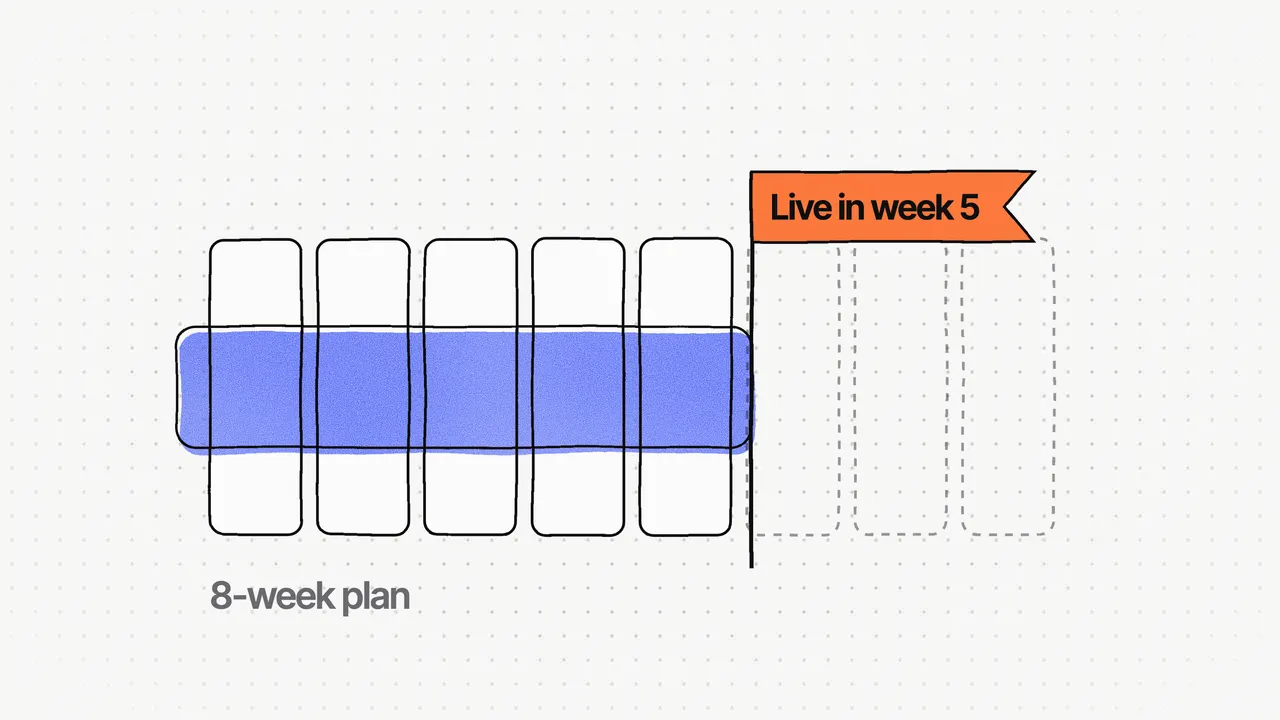
V1 reached beta in about three months. During beta, the client's own company and two partner companies ran their daily operations on it.
Time tracking is the tool teams open every hour. Daily use earned the right to add HR.
What waited, and what it cost
HR and e-signature waited for V2: attendance, leave, shifts and rosters, public holidays, the organogram and departments, an employee document repository with templates, ESIGN-compliant e-signature with signing by several people, and audit logs.
The trade-off was the promise itself. KpiClock is positioned as one product for "everything after you're hired". At launch, that all-in-one promise was incomplete. Buyers compare KpiClock against three separate subscriptions, and at launch it replaced one of them.
I said no to the alternative, launching every module half-built. The same rule decided scope inside V1 too: finish the tool teams open every hour before adding the rest.
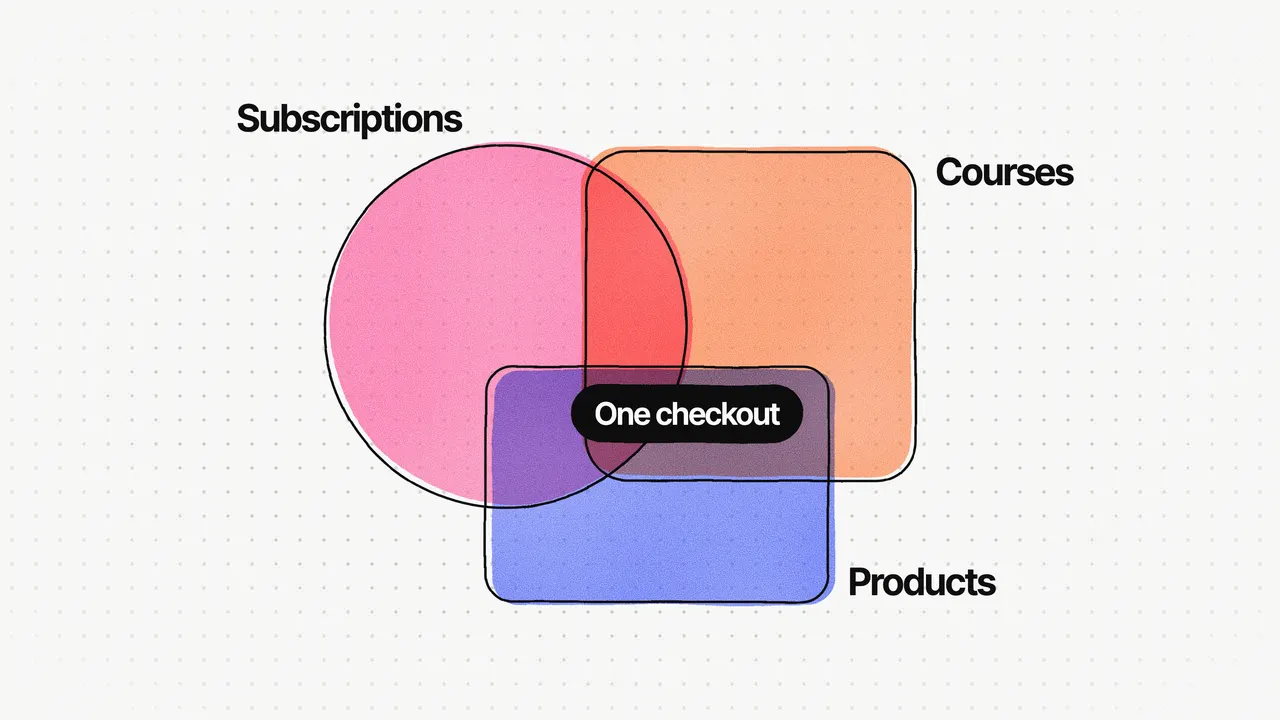
Pricing followed the same thinking. It's per user, in two tiers. I said no to pricing each module separately, so the value of having one product shows in one number.
V2, and a fix that came from real use
V2 replaced BambooHR and DocuSign. It sits inside the same navigation and design as time tracking, so it looks and works like V1, and the structure of the product stayed the same: the HR areas were added beside the time tracking ones.
After launch, the client spotted something we hadn't designed for. People started the time tracker but forgot to check in, so attendance showed them as absent while they were working. The fix was small: starting the time tracker now marks attendance automatically. One action starts the workday instead of two, and attendance follows actual work, with a single record of time.
Where it is now, and what I'd change
KpiClock is live with 900+ companies and 25,000+ users. Hubstaff was replaced first, then BambooHR and DocuSign.
If I did it again, I'd design the calendar, the approval workflow and the roster as one shared scheduling foundation from day one. Shifts, leave, holidays and rosters all depend on the same time rules, and building them as separate modules meant reconciling them later.