SaaS product design patterns from shipped products
Good SaaS product design starts from what each person opens the product to do, and removes every screen that doesn't help them do it. In the products I've designed, that meant a booking flow cut from 9 steps to 4, a dashboard for each role, approvals where everyone can see whose turn it is, and AI that drafts only where a person checks the result.
The results are on the case studies. On Find Your Calm, a booking platform for wellness operators, booking completion rose 31% after the new 4-step design replaced the old 9-step system. KpiClock, a team management product with time tracking, HR and e-signature, is live with 900+ companies and 25,000+ users; it has a dashboard for each role, and approval steps each company sets up itself. In LeanDeck, an AI proposal tool for design and dev agencies, a proposal or agreement takes about 5 minutes, against 6–10 hours by hand.
Every pattern in this guide has a cost, and each post says what it was. Grouping the booking steps moved operators away from a pattern they were used to. Configurable approval steps mean more set-up before the first approval runs. Structured AI sections meant more prompt work and slower generation than free text.
The guide follows the order a product is used in. It starts with the flow customers meet first, the booking flow, as eight patterns and then as the full redesign. Then it moves to the screen a business opens every day: role dashboards, and the approval workflows behind them. Then AI: seven patterns that keep AI output easy to check and fix, and the line LeanDeck draws between AI drafts and fixed rules. It ends with build order, because design also decides what ships first: why KpiClock shipped time tracking complete before HR and e-signature, and the features and order behind it.
Each post comes from a product that shipped, with a case study on this site. The launch-readiness checklist is free at the end.
8 posts, in reading order
-
Step 1 of 8
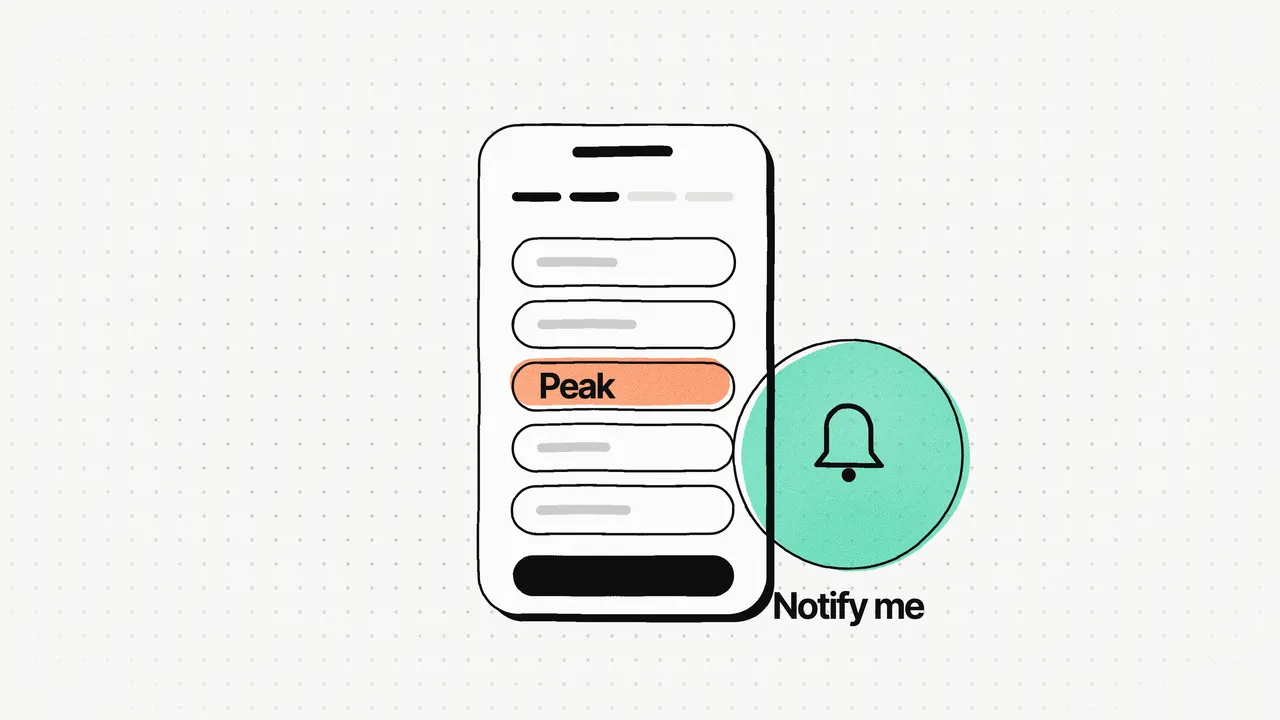
Start with the flow customers meet first. These are eight booking patterns, each with what it fixes and what it costs.
 No. 01730 Oct 2026
Booking flow UX: 8 patterns that help people finish booking
Eight booking UX patterns from designing Find Your Calm's booking flow, with why each one works and what it costs.
Product Design · 7 min -
Step 2 of 8
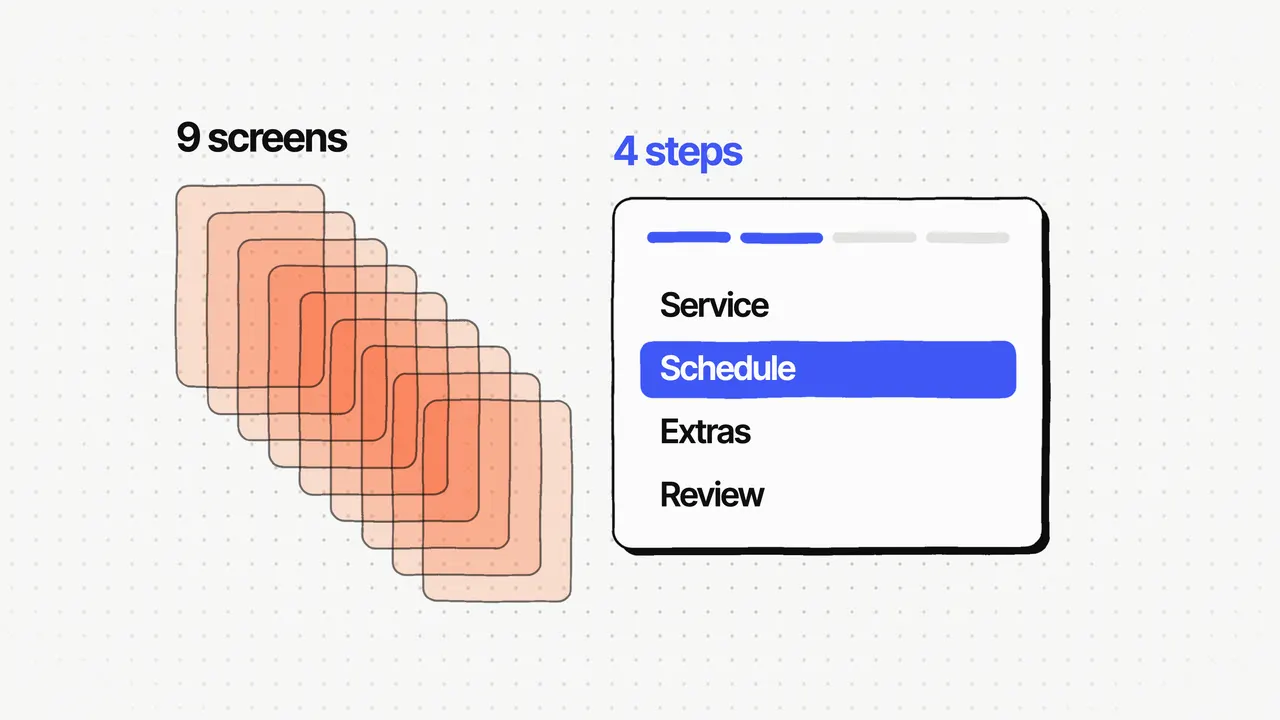
Then the redesign those patterns came from: how Find Your Calm's booking went from 9 steps to 4, and booking completion rose 31%.
 No. 00330 Oct 2026
How we cut a booking flow from 9 steps to 4, and lifted completion by 31%
Find Your Calm's old booking flow took 9 steps. I redesigned it into 4, and booking completion rose 31% against the old system. Here's what I removed, what I grouped, and what it cost.
Product Design · 4 min -
Step 3 of 8
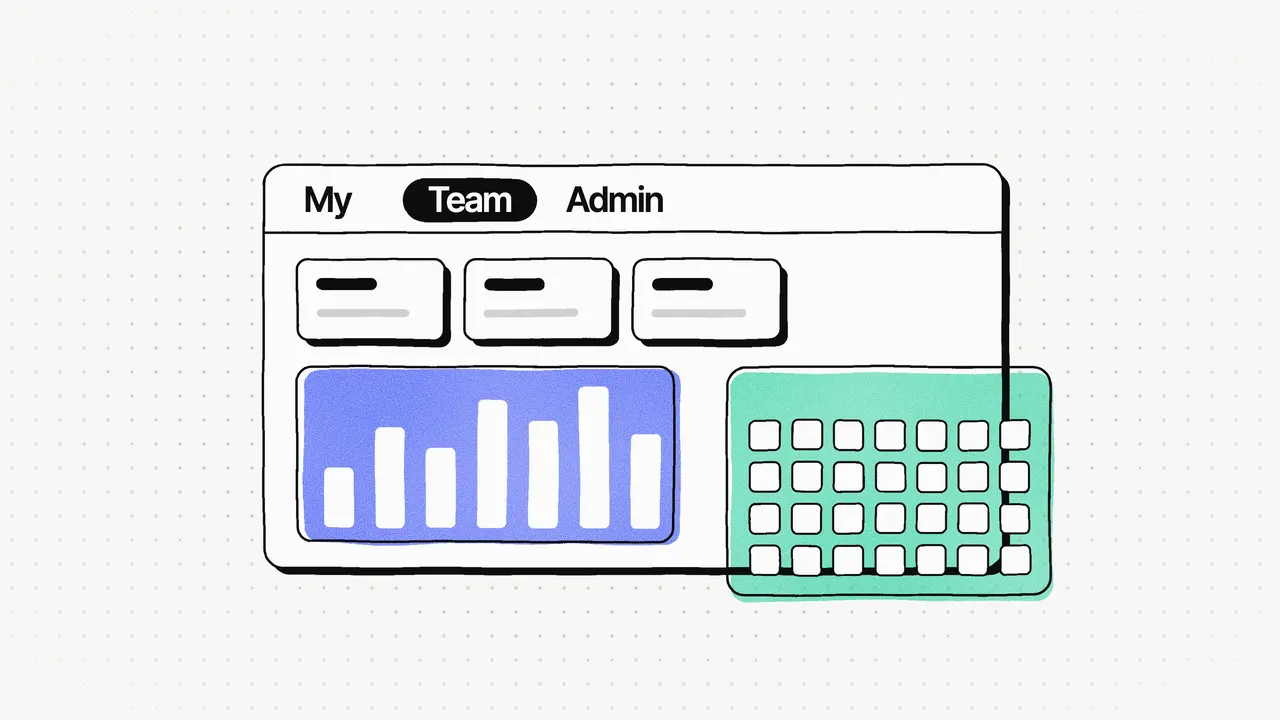
From the customer's flow to the screen a business opens every day: one question per role, and a dashboard for each.
 No. 01630 Oct 2026
B2B SaaS dashboard design: how to design the screen people open every day
How I design B2B SaaS dashboards: start from each role's daily question, give each role its own view, and keep status, time and reports easy to find.
Product Design · 6 min -
Step 4 of 8
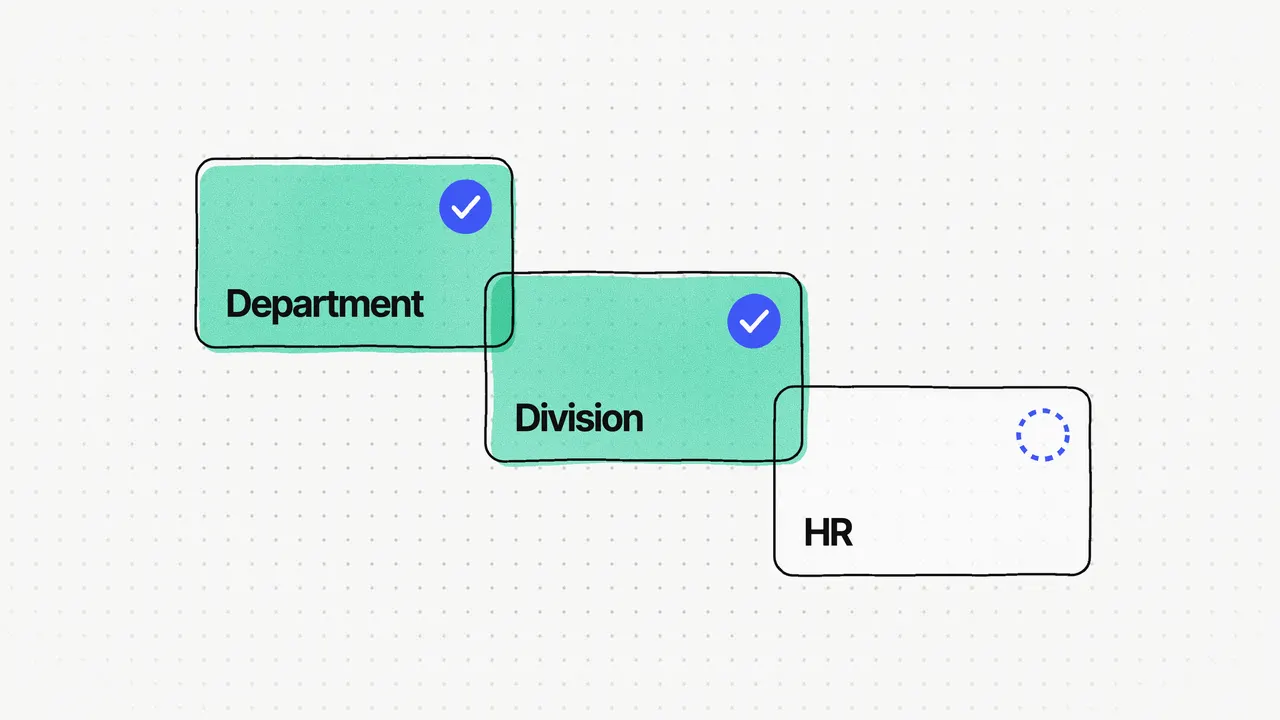
Dashboards show what's waiting; approvals decide how it moves. These are the four decisions that keep requests from getting lost in KpiClock.
 No. 00530 Oct 2026
Designing approval workflows for B2B SaaS that don't lose requests
In KpiClock, each company builds its own approval steps, every approver's status is visible, and roster conflicts are caught before a roster is submitted. Here's how I designed it.
Product Design · 4 min -
Step 5 of 8
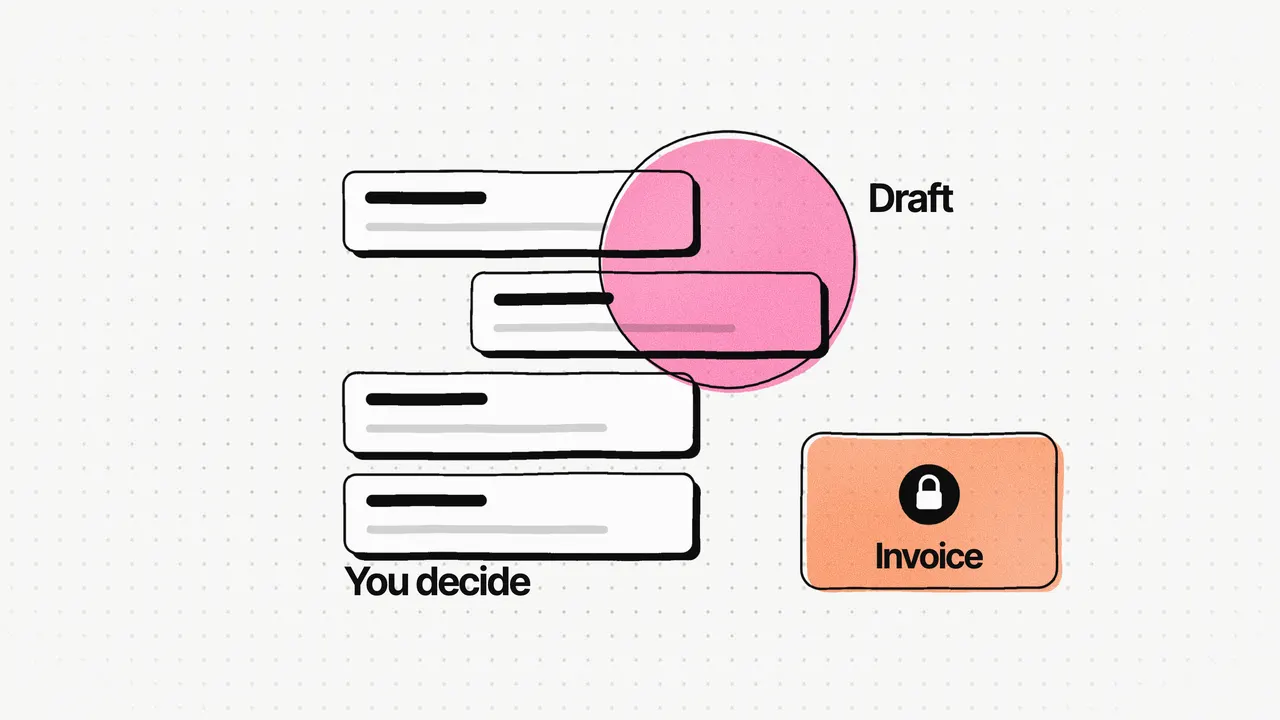
AI changes what a screen has to do. Seven patterns keep AI output easy to check, edit and override.
 No. 01530 Oct 2026
Designing AI features people trust: 7 UX patterns from shipping LeanDeck
Seven patterns from designing LeanDeck's AI proposal tool, where a proposal or agreement now takes about 5 minutes, and what each one cost.
AI · 6 min -
Step 6 of 8
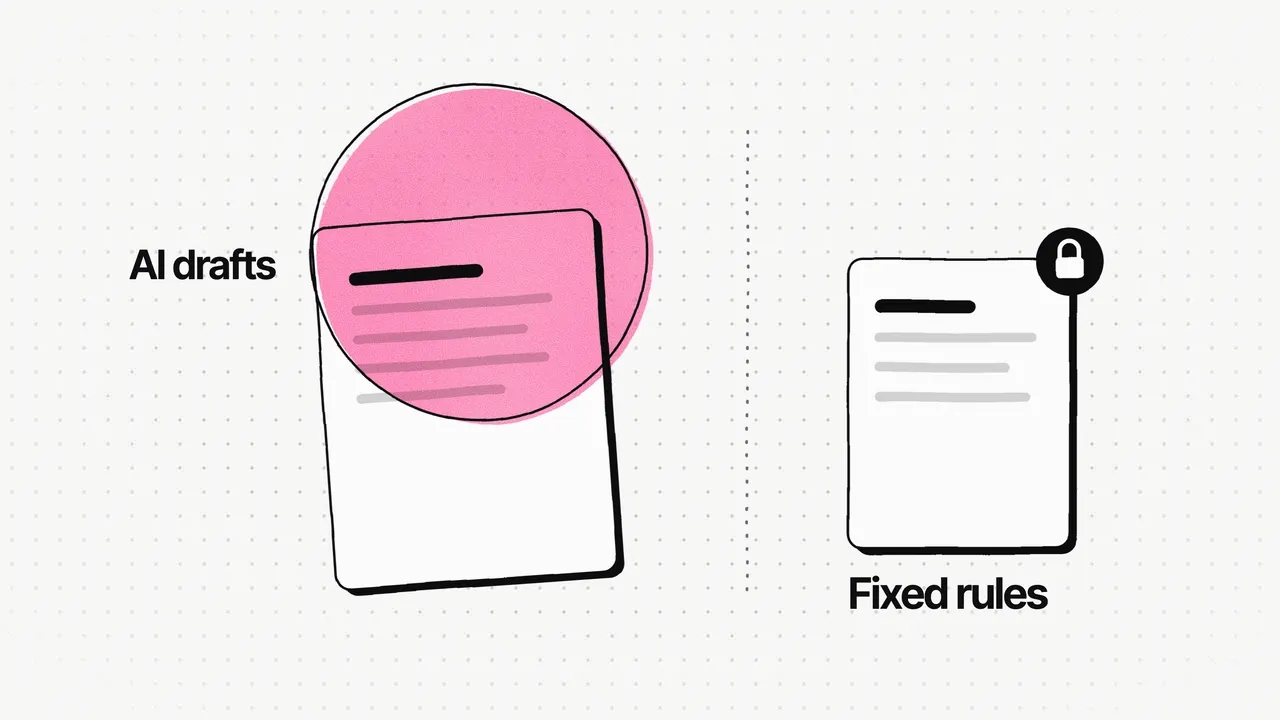
The first of those patterns, up close: where AI drafts in LeanDeck, and where fixed rules stay.
 No. 00130 Oct 2026
Where the AI acts in LeanDeck, and where it doesn't
AI writes the first draft of a proposal in LeanDeck. It never writes the invoice. Here's where we drew that line, and why.
AI · 3 min -
Step 7 of 8
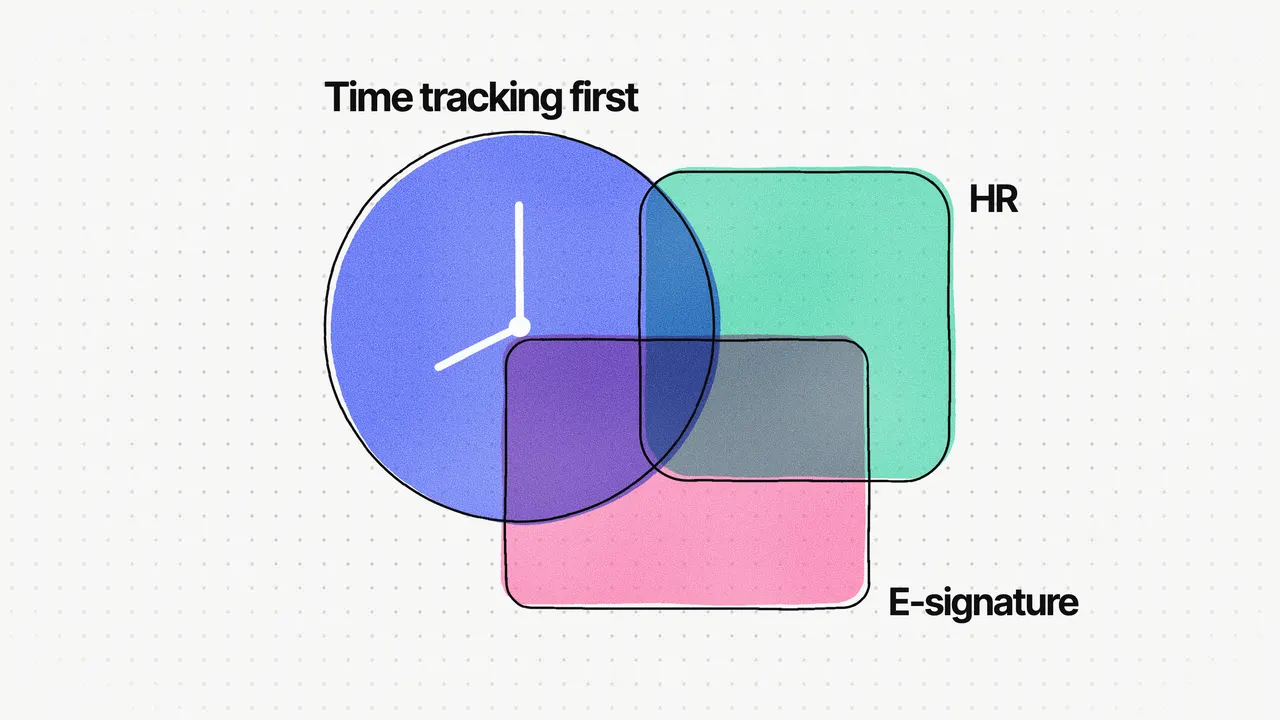
Design also decides what ships first. KpiClock replaced three tools by shipping time tracking complete, then adding HR and e-signature.
 No. 00430 Oct 2026
Replace three tools with one: why we shipped time tracking first
KpiClock replaces Hubstaff, BambooHR and DocuSign. We shipped time tracking completely first and added HR and e-signature after. It's now live with 900+ companies.
Product Management · 4 min -
Step 8 of 8
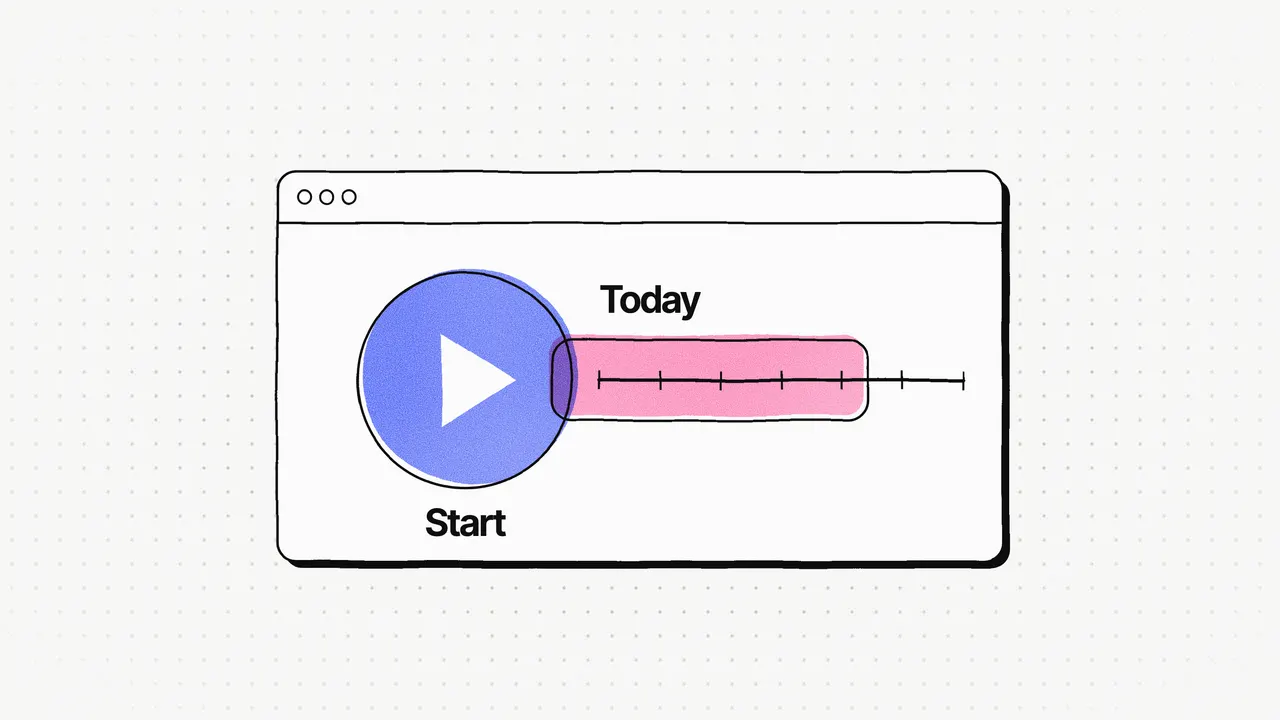
To finish, the full feature list and build order behind that decision, with the trade-offs of each part.
 No. 01230 Oct 2026
How to build time tracking software: features, build order and trade‑offs
The features time tracking software needs, the order I'd build them in, and the trade-offs, from leading KpiClock, now live with 900+ companies.
Product Management · 6 min
The products behind it
Free checklist
SaaS launch-readiness checklist
Ten checks before any SaaS launch, from success metrics agreed before the build to the first weeks after launch. A one-page PDF: subscribe, and it’s yours to download here.
Read the postYou're in. Check your inbox. Download the checklist PDF
One email when a post is out. No spam. Unsubscribe any time.
Something went wrong. Please email iftiak.ad@gmail.com and I'll add you.
Frequently asked questions
How many steps should a booking flow have?
As few as the booking needs. Four worked for Find Your Calm (Service, Schedule, Extras and Review), with two or three related actions on each step and progress shown throughout. After the new design replaced the old 9-step system, booking completion rose 31%.
Should every user role get its own dashboard?
Once a product has more than one kind of user, yes. KpiClock has My, Team and Admin dashboards, each built around the question that role opens the product to answer, and all built from the same components.
How do you design approval workflows that don't lose requests?
Let each company set its own approval steps, show every approver's status so it's always clear whose turn it is, and catch conflicts while the request is being made. In KpiClock, roster conflicts are flagged before a roster is submitted, and approved slots are locked.
Where should AI act in a SaaS product?
Where a person reviews the result before it matters. In LeanDeck, AI drafts proposals and agreements as structured, editable sections, and invoicing follows fixed rules, because a plausible-but-wrong invoice is worse than a slower one.
Building a product?
I help founders and teams decide what to build, design it, and ship it. Tell me about your project.