Mark Andrews Creative sells kids' ministry resources to churches, schools, homeschools and families: a subscription library, courses and physical goods. I turned a one-sentence brief into the platform that sells all three from one account and one checkout. It went live in 12 weeks, and the business it runs now makes over $1M a year, with 20K+ subscribers and 7.48% visitor-to-purchase conversion.
This post is about the one decision that shaped everything else: three ways to buy, on one platform.
A one‑sentence brief
The whole brief was one sentence: "a platform to sell my courses, books and products with an e-learning system like Coursera and Udemy." There was no documentation and no plan.
I was the Product Manager and Lead Product Designer. I wrote all the requirements, specs, feature definitions and business logic, and the developers built from my specs. The team was one backend developer, two frontend developers, one product designer and me, and we started on 25 September 2025.
Before building, we set three goals:
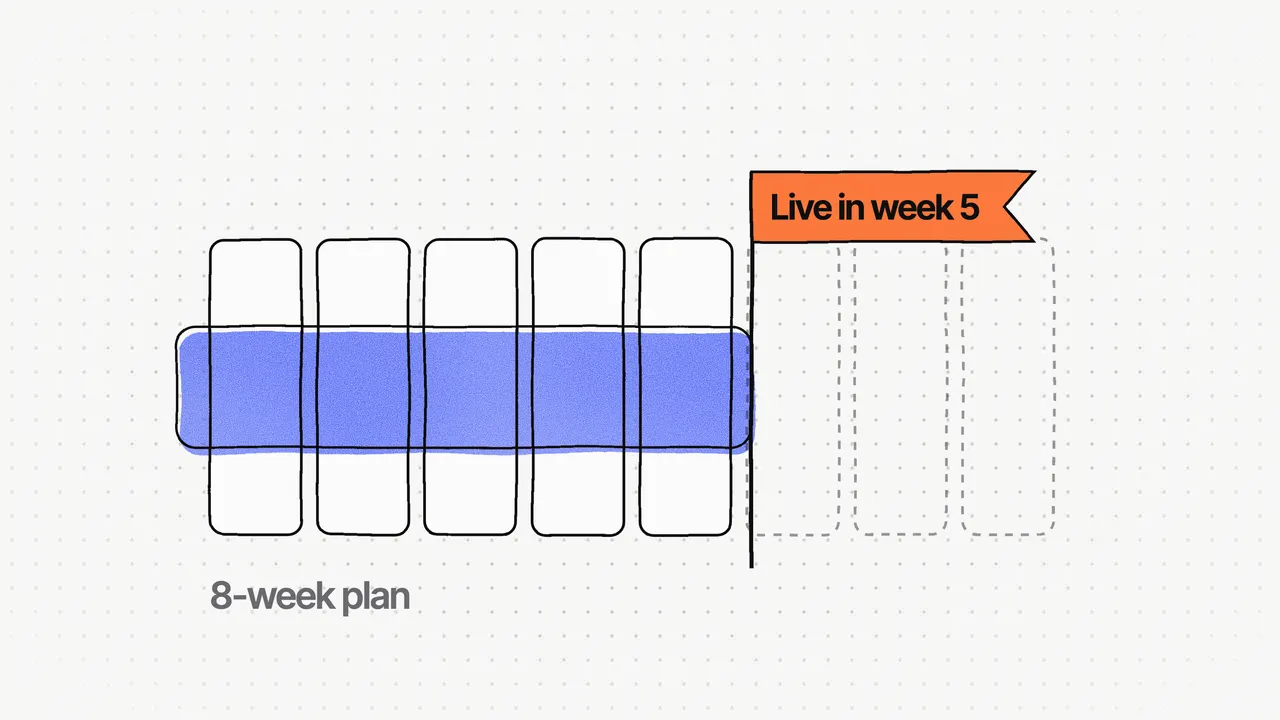
- Live in about 12 weeks.
- One platform for every sale: subscriptions, courses and physical goods.
- Recurring subscription revenue as the main engine.
Three ways to buy
The customers buy in very different ways. Churches run kids' services with VBSify and teach Bible stories with Bible Story Images. Schools and homeschools teach with structured Bible Lab courses and lessons. Families study together at home, and buy workbooks as single purchases.
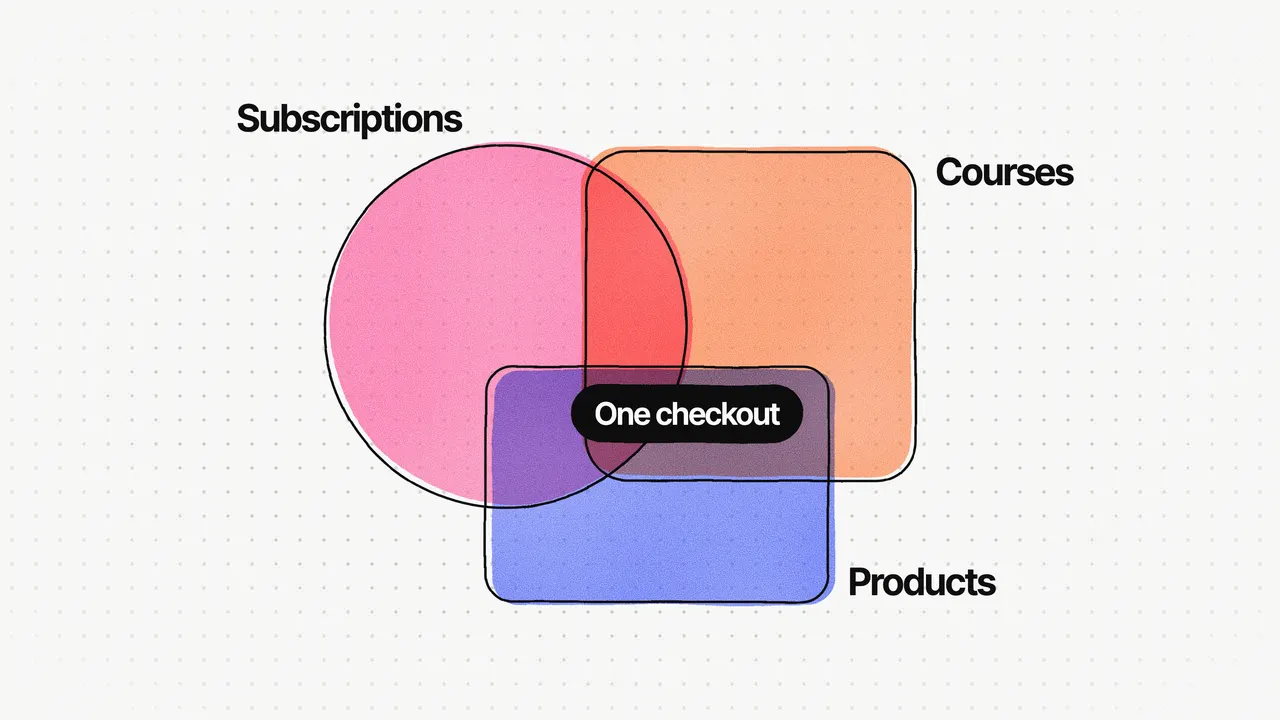
So my call was three commerce models on one platform:
- A subscription library: Bible Story Images, VBSify and Bible Lab, monthly or yearly, with bundles.
- Courses that come with the subscription and are also sold separately.
- Physical goods, workbooks and Kingdom Gear, as single purchases.
I said no to separate stores for subscriptions, courses and physical goods. Each product is bought the way that suits it, and the subscription stays the recurring revenue engine, all from one account and one checkout.
What one checkout costs
One checkout is simple for the customer and harder for the product. The trade-offs were:
- A more complex checkout. One cart has to handle a subscription, a course and a physical workbook together.
- Complex access rules. The platform has to know whether a course is unlocked by the subscription or by a purchase.
- Two kinds of delivery. Physical shipping sits alongside instant digital delivery.
I wrote those rules into the specs so the developers built them once, in one place.
Each product is bought the way that suits it, and the subscription stays the recurring revenue engine.
Rules that keep the subscription healthy
If the subscription is the engine, it needs rules that keep the content library sustainable and give members a reason to stay.
Each subscription tier has monthly download limits on courses and modules, and downloads stay with the subscriber. On top of that, pricing is per user: each subscription includes 5 users at a fixed price, teams can invite more, and extra users are billed per the tier's conditions.
I said no to unlimited downloads. The cost: limits can feel restrictive to heavy users, and billing per user added complexity to invitations, access rights and invoices. What it bought: predictable revenue for the business, a reason to stay subscribed every month, and pricing that grows with each team.
Launch, and then single purchases
We launched with the core commerce, subscription and learning features and the core reports. Some reports, gift cards and add-ons followed after launch. In total I specified 20+ reports, across sales, refunds, shipping, abandoned carts, stock, gift cards, membership, tiers, download counts and learning by course, module and lesson.
After launch, customers told us they wanted a specific book, course or module without a whole subscription. So individual books, courses and modules can now be bought on their own, alongside the subscription. It wins buyers the subscription would have lost, without weakening it.
Today Mark Andrews Creative runs its whole business on the platform. That business makes over $1M a year, with 20K+ subscribers and 7.48% visitor-to-purchase conversion, measured in analytics.
What I'd do differently
I defined the commerce and subscription logic from a one-sentence brief. I'd put it into one written, signed-off rulebook in week one, so every edge case (users per plan, download limits, course access) had a single reference.